
Last Updated on July 30, 2026 by Ellen Christian
If your family’s sports gear seems to multiply overnight, you’re not alone. Cleats pile up by the front door, helmets end up on the kitchen table, and baseball bats somehow find their way across the garage floor. Before long, everyday spaces become obstacle courses instead of functional living areas.
Posts may be sponsored. This post contains affiliate links, which means I will make a commission at no extra cost to you should you click through and make a purchase. As an Amazon Associate I earn from qualifying purchases.
The good news is that organizing sports equipment doesn’t require a complete home renovation. The most effective strategy is creating a multi-zone storage system. Keep frequently used gear close to the entryway, dedicate garage space to weekly-use equipment, and move bulky or seasonal items into large outdoor storage sheds when they’re not needed. This inside-out approach keeps your home tidy while making it easy to grab what you need before practice.
How to Store Balls, Props, and Equipment?
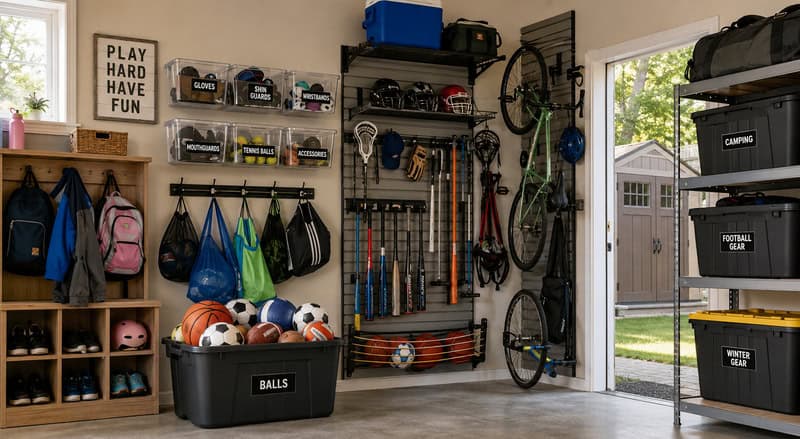
To store balls, props, and equipment effectively, keep everyday sports gear right by the door for quick access, place bulky or off-season items in a cabinet or shed, and keep balls contained in one location using a spacious storage bin or a simple DIY bungee cord holder.
Create an Indoor Sports Zone
Your home’s entryway is the first line of defense against clutter. Instead of letting equipment spread throughout the house, designate a single location for sports gear. A mudroom works perfectly, but even a hallway closet or the space beneath a staircase can become an organized sports station. Assign each family member their own cubby, locker, or shelf so equipment doesn’t get mixed together after games.
For smaller accessories, transparent bins make it easy to find items without digging through piles. Label containers for gloves, mouthguards, shin guards, wristbands, tennis balls, and other essentials. Clear containers also help younger athletes learn where everything belongs.
One overlooked storage trick is adding adhesive hooks to the inside of closet doors. Lightweight mesh bags, drawstring backpacks, and practice pinnies can hang neatly without taking up shelf space.
Keeping your daily gear organized indoors means fewer frantic searches before leaving for practice.
Get Sports Equipment Off the Garage Floor
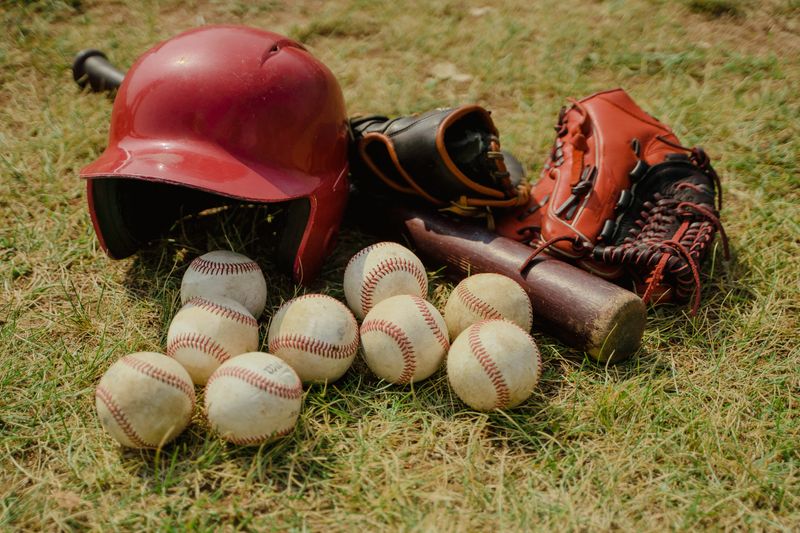
Once you’ve organized everyday items, the garage becomes the next storage zone for equipment used regularly but not kept inside the house. Vertical storage is your biggest advantage. Wall panels, slat wall systems, and adjustable track shelving maximize available space while keeping everything visible and accessible.
Household organizers can often serve double duty. A broom hanger, for example, can securely hold baseball bats, hockey sticks, lacrosse sticks, or tennis rackets without requiring specialized equipment. Large recreational items such as bikes, kayaks, paddleboards, and surfboards benefit from ceiling-mounted racks or heavy-duty wall hooks. Lifting oversized equipment overhead frees valuable floor space for vehicles and walkways.
To stop basketballs, soccer balls, volleyballs, and playground balls from constantly rolling around, build a simple DIY bungee cord holder between two wall studs. It’s inexpensive, easy to make, and allows kids to grab or return balls without emptying an entire storage bin.
When It’s Time to Expand Storage Outdoors
Eventually, many active families outgrow their garage storage. Football pads, camping supplies, skiing equipment, folding chairs, and seasonal decorations all compete for the same space.
That’s when a dedicated outdoor storage solution becomes invaluable.
Whether you’re searching for big sheds for sale, a storage shed big enough for the entire family, or an extra-wide storage shed that accommodates oversized equipment, having a separate storage area prevents your garage from becoming overcrowded.
A large outdoor garden shed can easily double as a seasonal sports locker. Winter ski gear can be stored during the summer months, while bulky football equipment stays protected once the season ends.
An outdoor tool shed can also house athletic gear if shelves and hooks are installed strategically. Consider separating equipment into labeled zones for each sport, making it easy to rotate gear as seasons change.
If you’re storing expensive equipment inside outside storage sheds, prioritize weather resistance. Moisture is one of the biggest threats to helmets, leather gloves, bats, and sporting accessories. Make sure equipment is completely dry before storage, and consider ventilation or moisture absorbers to reduce humidity.
Families needing even more room may find a large shed for storage, or a large outdoor shed offers enough capacity for sports gear, lawn equipment, and seasonal household items.
Organize Tailgating and Tournament Essentials
Sports weekends often involve much more than athletic equipment.
Pop-up tents, folding chairs, wagons, picnic blankets, and coolers deserve designated storage so they don’t become scattered throughout the garage.
Whether you use a massive chest or this 25-quart cooler for weekend tournaments, keep it clean, completely dry, and stored on a lower shelf where it’s easy to grab before game day.
Grouping all tailgating supplies saves time when early morning tournaments arrive.
RELATED: Camping Gear Checklist
Don’t Forget Odor Control and Security
One of the biggest storage mistakes is putting sweaty gear directly into bins or enclosed spaces. Always wipe down helmets, shoulder pads, shin guards, and protective equipment after use. Allow everything to dry completely before storing it to prevent mold, mildew, and unpleasant odors.
Cleats benefit from deodorizing inserts or moisture-absorbing packets between games. Regularly washing removable helmet liners also extends the life of your equipment. Security is equally important. Composite bats, golf clubs, hockey gear, and specialty equipment can represent a significant investment. If you’re using large tool sheds or big outdoor sheds, install a heavy-duty lock or smart locking system to help protect valuable gear from theft.
Reclaim Your Home from Sports Clutter
Sports should create great memories—not constant messes around your home. By organizing equipment into dedicated zones, you’ll simplify busy mornings and reduce clutter year-round. Keep everyday essentials near the door, store weekly-use items in an organized garage, and rotate seasonal equipment into big storage sheds when it’s no longer needed.
Start by taking inventory of everything your family owns. Donate or recycle broken and outgrown gear, then organize what’s left into logical storage areas. If your garage is overflowing despite your best efforts, exploring large outdoor sheds may be the upgrade that finally gives every helmet, bat, ball, and pair of cleats a permanent home.

Ellen is a busy mom of a 29-year-old son and 33-year-old daughter. She owns nine blogs and is addicted to social media. She believes that it doesn’t have to be difficult to lead a healthy life. She shares simple healthy living tips to show busy women how to lead fulfilling lives. If you’d like to work together, email info@confessionsofanover-workedmom.com to chat.
