
Last Updated on July 31, 2026 by Ellen Christian
Wanting a soft bed and wanting a cooler bed can feel like a conflict. The plush feel you love often comes from closer body contact, and closer contact can make warmth more noticeable. Still, you do not have to give up comfort just because you wake warm.
Posts may be sponsored. This post contains affiliate links, which means I will make a commission at no extra cost to you should you click through and make a purchase. As an Amazon Associate I earn from qualifying purchases.
The better approach is to choose softness with guardrails. Look for cushioning that eases pressure without trapping you in a deep pocket, and compare cooling features as part of the whole design. Heat and plush comfort should be tested together, not treated as separate shopping problems.
Why soft beds can feel warmer
A soft surface lets more of your body settle into the mattress. That can feel relaxing around the shoulders, hips, and ribs, especially for side sleepers. The tradeoff is contact. When more foam touches more of your body, warm air has fewer open spaces to escape.
This does not mean every soft mattress sleeps hot. It means the design needs to manage the extra contact. Breathable covers, responsive foam, ventilated comfort layers, and steady transition support can all help reduce the enclosed feeling that makes heat harder to tolerate.
When the plush feel is worth it
Softness is worth prioritizing if pressure is what wakes you up. If your shoulder feels jammed on a firm bed or your hip feels sore from a hard surface, a softer top can make sleep feel less guarded. Comfort matters. A cooler mattress that feels painful will not be the right bed.
The goal is pressure relief without progressive sink. When you lie on your side, the shoulder and hip should ease in, but the waist should not feel abandoned. When you roll over, the surface should recover enough that movement does not feel like work.
When soft becomes too soft
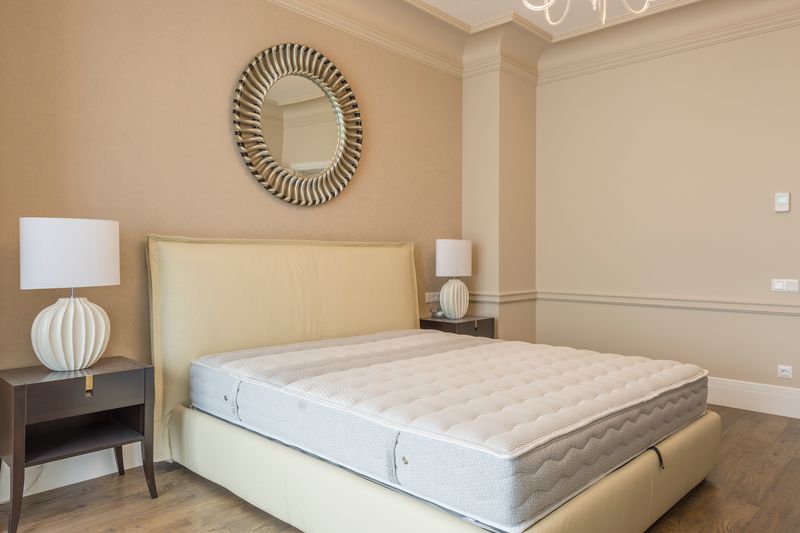
A mattress may be too soft for you if your hips keep dropping, your lower back feels unsupported, or you wake up feeling as if you spent the night in a hollow. You may also notice that you sleep warm in the deepest part of the impression.
Test this by staying in your usual position for fifteen minutes, then turning slowly. If the bed rebounds and you can settle again without effort, the softness is probably controlled. If the surface keeps your shape and resists movement, it may be too enveloping for a hot sleeper.
Which soft beds are more likely to stay comfortable
Soft beds are more promising for hot sleepers when the cover is breathable, the upper foam is not overly slow, and the transition layer prevents deep sagging. If you are comparing a soft mattress shortlist, ventilation in the comfort layer can help, but it should connect to the rest of the mattress rather than stopping at a single feature.
A slightly responsive plush feel may work better than the deepest, slowest hug. You can still get pressure relief, but you are less likely to feel locked into one warm position. If a product page explains both cooling and support, it gives you more useful information than softness claims alone.
Which soft beds are more likely to feel stuffy
Be cautious with very thick plush tops, dense quilted covers, slow recovery foam, and setups that add a heavy protector or topper above the mattress. Each of these can increase contact or trap warm air. Together, they can make a soft bed feel much warmer than expected.
Also be careful when the product page talks about cooling only in vague terms. “Cool feel” may describe the cover at first touch, not the whole night. You need to know where the cooling feature sits and whether the mattress gives warmth a route away from your body.
Side sleepers should test pressure and heat together
Side sleepers often compress the shoulder and hip more deeply, which can create both pressure relief and warmth in the same zones. Do not test cooling while lying on your back if you mostly sleep on your side. Use your real position and your real pillow.
In the morning, ask two questions. Did my shoulder and hip feel cushioned? Did those same areas feel hot or hard to move from? If the answer is yes to both, you may need a soft mattress with quicker response, better ventilation, or firmer transition support.
Back and combination sleepers need easier movement
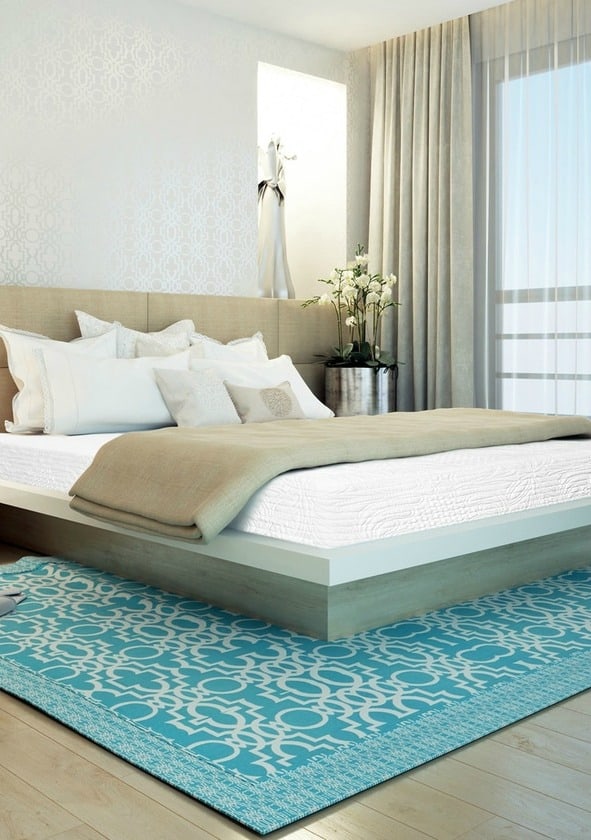
Back sleepers usually want the pelvis to rest without dropping too far. Combination sleepers need the surface to change with them. A soft mattress that feels great in one position may become frustrating if it slows every turn.
During a trial, roll several times before sleep and again if you wake during the night. Notice whether you can move naturally or whether you brace with your arms. For hot sleepers, easier movement can reduce the feeling of being held in one warm spot.
Do a bedding reality check
Your sheets and protector can change the result. A breathable mattress under a thick waterproof protector may still feel warm. A soft mattress under a fluffy topper may become too deep even if the mattress itself is well designed.
Test the bed with the setup you plan to keep, but run one comparison night with lighter bedding if warmth is a surprise. If lighter bedding improves the feel, adjust the sleep system before deciding the mattress is wrong. If warmth remains, the mattress design probably needs another look.
A first-week note plan
Night one is for first impressions: softness, pressure comfort, and whether the surface feels fresh. Nights two through four are for movement and heat. Can you turn easily? Does the bed warm in the same place each night? Nights five through seven are for pattern recognition.
If a best cooling memory foam mattress for hot sleepers looks promising, use these notes to check whether its cooling design still feels useful after several full nights, not just during the first cool touch.
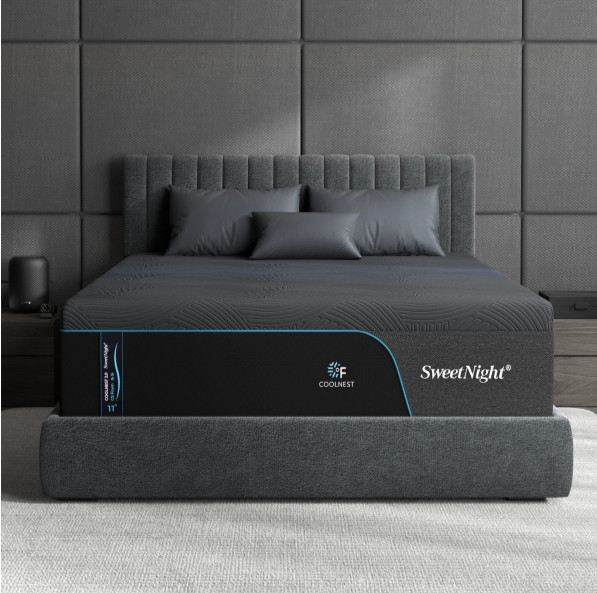
At the final screening stage, use SweetNight’s CoolNest® pages as a product check against your own sleep notes. The CoolNest® Ultra Memory Foam Mattress is listed with a Gradient Ice Silk Cover, PCMflux® foam, AirMesh™ breathable memory foam, ventilated gel memory foam, and a 3D open-channel breathable structure. That combination is most relevant when a soft-bed shopper likes cushioning but wakes warm or feels enclosed. Review the SweetNight product page to check current construction, size options, foundation guidance, and trial details before treating it as the right cooling-softness match.
If the page does not answer the same heat pattern you wrote down, keep comparing instead of forcing the match. A soft cooling mattress should still make sense for your room, bedding, and normal turning habits.
That extra pause helps keep plush comfort from overruling the overnight evidence you already collected.
It also makes the final choice easier to defend.
Write simple notes, not a technical report. “Hip warm after 3 a.m.” or “easy to roll, shoulder comfortable” is enough. These observations help you avoid overreacting to one bad night or being persuaded by a showroom feel that does not last.

Purchase terms matter for soft hot sleepers
Softness and temperature both need more than one night of testing, so read the current trial and return terms before you buy. Check whether the brand requires a minimum trial period, whether the mattress must be used on a certain foundation, and whether accessories affect eligibility. These rules matter because your opinion may change after the foam breaks in slightly or after a hot week.
Also confirm the exact model version. A soft feel in one height or firmness option may not match another version with a similar name. Write down the size, height, and firmness before checkout. That small habit prevents confusion if you need help later.
If the brand offers several feels, do not let the word “soft” do all the work. Compare who each option is meant for, how deep the comfort layer is, and whether hot sleepers are mentioned in the same model details. The best soft choice is still a matched choice.
Bottom line
Hot sleepers can choose a soft mattress, but they should avoid uncontrolled sink. Look for breathable materials, responsive cushioning, steady support, and a trial setup that uses your real bedding. The right soft bed should feel plush at pressure points without turning the whole night into a warm pocket.

Ellen is a busy mom of a 29-year-old son and 33-year-old daughter. She owns nine blogs and is addicted to social media. She believes that it doesn’t have to be difficult to lead a healthy life. She shares simple healthy living tips to show busy women how to lead fulfilling lives. If you’d like to work together, email info@confessionsofanover-workedmom.com to chat.
