
Last Updated on September 29, 2026 by Ellen Christian
A house works hardest in the places nobody looks at. The framing behind a wall, the air moving through a vent, the seal around a window frame: none of it asks for attention until something goes wrong. Homeowners tend to notice the visible layer, the paint and the fixtures and the finishes, while the systems that actually decide how a home feels sit quietly out of sight. That gap between what gets noticed and what matters is where most household problems begin.
Posts may be sponsored. This post contains affiliate links, which means I will make a commission at no extra cost to you should you click through and make a purchase. As an Amazon Associate I earn from qualifying purchases.
Improvements that pay off over the long run usually share one quality. They deal with the condition of the building rather than its appearance. A well-sealed home is more comfortable in every season. A dry home is easier to keep clean and easier to heat and cool. A well-maintained home holds its value because buyers can feel the difference the moment they walk through the door, even before they read a single inspection note.
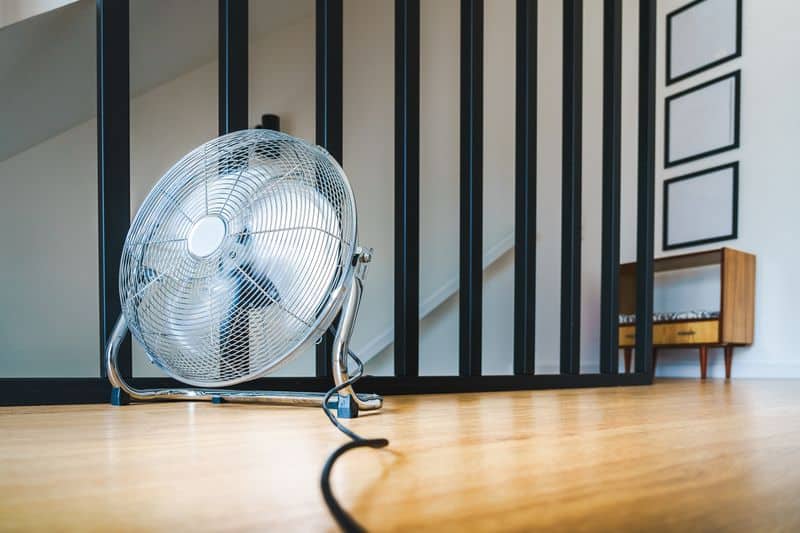
The Quiet Role Moisture Plays in a Healthy Home
Water finds its way into buildings in ways that are easy to overlook, through humid air, slow leaks, damp basements, and rooms that never quite dry out after use. When that moisture stays trapped long enough, mold takes hold behind walls, beneath flooring, and inside ceiling cavities, where it spreads out of sight and changes the air the whole household breathes.
Proper removal and cleanup by trained hands is the dependable answer, because wiping a surface almost never reaches the source feeding the growth. Specialists who carry out mold remediation seal off the affected area, take out material that cannot be saved, treat what remains, and fix the moisture problem so the same issue doesn’t return a season later.
Ventilation as the Backbone of Indoor Comfort
Air needs somewhere to go. Kitchens, bathrooms, and laundry areas release a steady stream of warm, wet air, and a home without a clear path for that air simply holds on to it. Exhaust fans that vent outside rather than into an attic space make an immediate difference. So does opening windows on opposite sides of the house for a short stretch each day, which moves stale air out faster than most people expect.
Whole home systems take this further by drawing fresh air in at a controlled rate while pushing used air out. The benefit shows up in small ways first. Rooms smell cleaner. Windows stop fogging on cool mornings. Household members who struggle with dust and pollen tend to breathe easier indoors.
Insulation, Temperature, and the Feel of a Room
A room that never warms up properly in winter or cools down in summer is usually telling you something about its insulation. Heat moves toward cold, and any weak point in an attic floor, a wall cavity, or a crawl space gives it a shortcut. Adding insulation where it is thin is one of the least glamorous upgrades available and one of the most reliable.
The comfort gain is immediate and easy to feel. Temperatures hold steady between rooms instead of swinging from one end of the house to the other. Heating and cooling equipment cycles less often, which reduces wear and keeps energy use in check.
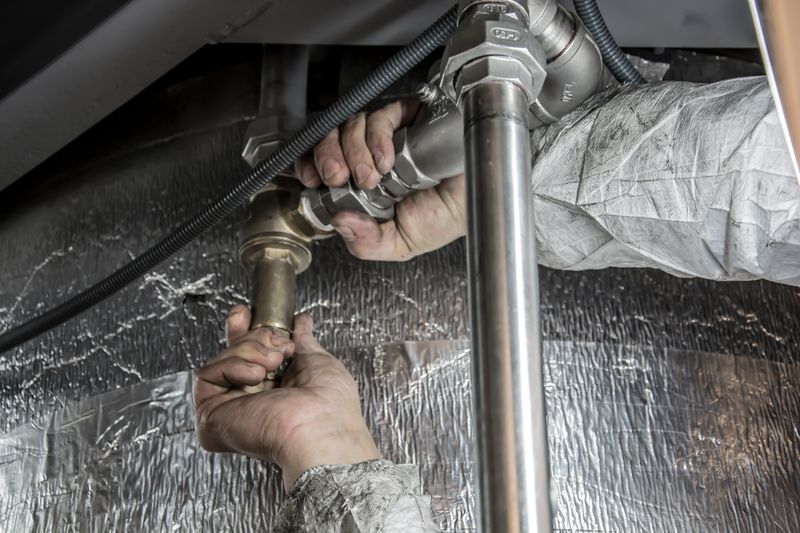
Plumbing Care That Prevents Larger Problems
Most serious water damage starts small. A fitting that weeps slightly, a seal that hardens and cracks, a drain that backs up a little more each month. None of these look urgent, and all of them worsen on their own schedule. Checking under sinks, behind appliances, and around water heaters a few times a year takes very little effort and catches the majority of these issues while they are still cheap to fix.
Older supply lines deserve particular attention. Flexible hoses behind washing machines and beneath sinks have a working life, and replacing them before they fail is far simpler than dealing with what follows.
Windows, Doors, and the Barrier Against Outside Weather
Every opening in a wall is a place where the indoors and outdoors meet, and every one of them can leak. Weatherstripping wears down. Caulk shrinks and pulls away. Frames shift slightly as a building settles. The result is drafts in cold weather, humid air in warm weather, and a heating system working against conditions it cannot win.
Resealing and adjusting existing windows and doors often delivers most of the benefit at a fraction of the cost of replacement. Where replacement does make sense, better glazing and tighter frames change how quiet a house feels as much as how warm it stays. Sound and air travel through the same gaps, and closing them improves both at once.
How Thoughtful Upgrades Support Resale Strength
Buyers form an impression quickly, and much of that impression comes from condition rather than style. A home that feels dry, smells clean, holds an even temperature, and shows evidence of consistent care reads as a property that has been looked after. Inspection reports then confirm what the walkthrough already suggested.
Cosmetic updates still have their place, but they sit on top of the work that matters. Fresh paint over a damp wall fools nobody for long. Improvements to structure, moisture control, and mechanical systems are the ones that hold their value, because they solve problems a future owner would otherwise inherit.

Building a Home That Supports the People Inside It
The strongest argument for this kind of work is not financial. A home that manages moisture, moves air properly, holds temperature, and keeps weather outside is simply a better place to live in. Households sleep better in it, spend less time chasing repairs, and worry less about what might be developing behind a wall.
Approached steadily rather than all at once, these improvements fit into ordinary life and ordinary budgets. One season addresses ventilation, another handles sealing, another deals with drainage. Over time, the house becomes easier to live in and easier to keep, which is what most people wanted from it in the first place.

Ellen is a busy mom of a 29-year-old son and 33-year-old daughter. She owns nine blogs and is addicted to social media. She believes that it doesn’t have to be difficult to lead a healthy life. She shares simple healthy living tips to show busy women how to lead fulfilling lives. If you’d like to work together, email info@confessionsofanover-workedmom.com to chat.
