
Last Updated on September 22, 2026 by Ellen Christian
For Pittsburgh homeowners, a good upgrade has to do more than look impressive on installation day. Between wet weather, winter cold, summer heat, aging housing stock, and the ordinary wear of daily life, the most worthwhile improvements are usually the ones that solve a problem repeatedly. They protect other parts of the house, make routines easier, reduce maintenance, or improve comfort year after year.
Posts may be sponsored. This post contains affiliate links, which means I will make a commission at no extra cost to you should you click through and make a purchase. As an Amazon Associate I earn from qualifying purchases.
The following upgrades tend to pass that test because their value is tied to how the house actually performs.
Protect the Investment Above Everything Else
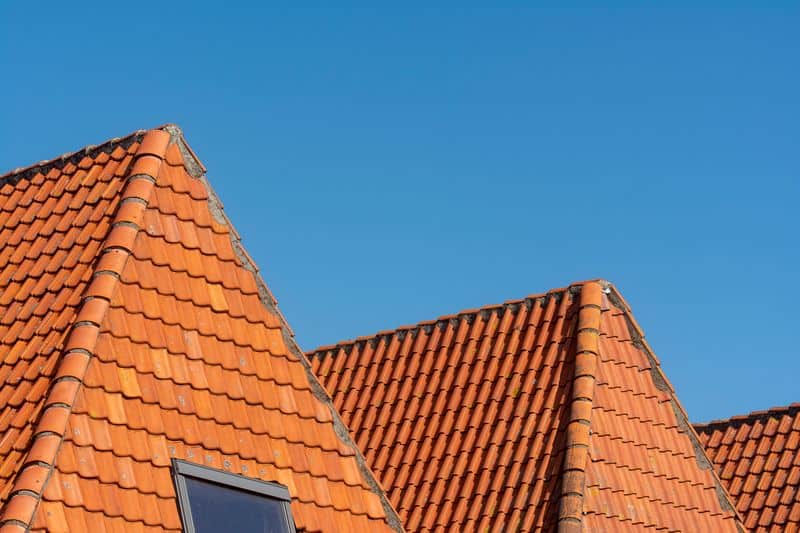
A kitchen renovation can cost a great deal, but it still depends on the roof keeping water out. That is why roofing deserves attention before expensive interior finishes when there are signs of deterioration. Missing or damaged shingles, recurring leaks, storm damage, worn flashing, and an aging roofing system can all justify a closer assessment.
When the problem is no longer something a homeowner can confidently evaluate from the ground, The Pittsburgh Roofer can assess the roof and help determine whether repair, storm restoration, or more extensive work is appropriate.
Roof work earns its value quietly. When it succeeds, the expensive rooms underneath it simply stay dry.
Spend Money Where the House Loses Comfort
A room that is always colder than the rest of the house is more than a minor annoyance. It can reveal weaknesses in insulation, air sealing, windows, doors, or ductwork. Instead of compensating by constantly adjusting the thermostat, investigate why the room behaves differently.
Depending on the findings, targeted insulation, weatherstripping, air sealing, or window improvements may provide a better return than replacing equipment prematurely.
Comfort upgrades are valuable because residents experience them constantly. Turning a drafty bedroom or overheated upstairs space into a comfortable room effectively gives the household more usable space without adding square footage.
Make Water Management Almost Boring
Good drainage is supposed to be uneventful. Rain lands on the roof, enters the gutters, travels through downspouts, and moves away from the foundation. When any part of that sequence fails, the consequences can spread surprisingly far.
Overflowing gutters can affect fascia and siding. Water deposited beside the house can contribute to dampness and erosion. Poor grading can keep directing rainfall back toward the structure.
Gutter repairs, guards where appropriate, downspout extensions, and grading improvements may not transform curb appeal, but they can protect far more expensive parts of the property.
Upgrade the Entrance You Actually Use
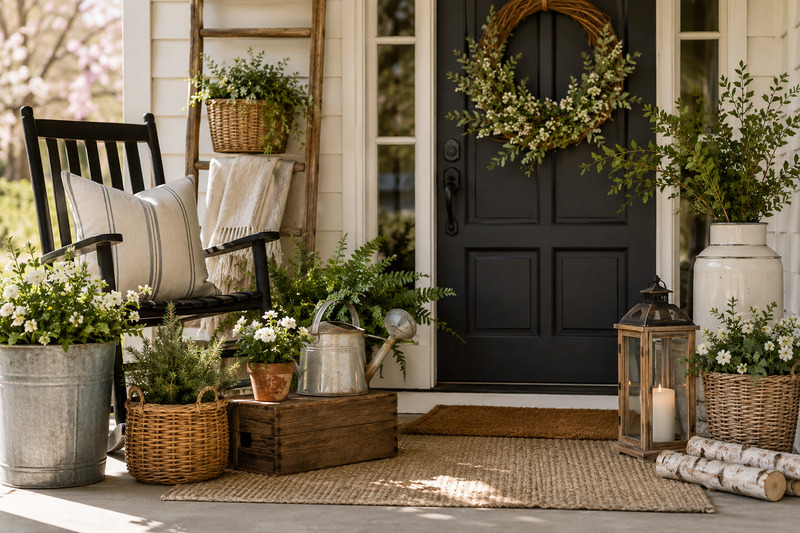
The formal front door gets attention because visitors see it. The entrance used by the household every day often deserves the investment more.
For many homes, that means a garage entry, side door, or mudroom. Look at what happens during the first thirty seconds after someone arrives. Shoes pile up, coats land on chairs, keys disappear, wet umbrellas drip, and bags migrate into the kitchen.
A durable floor, bench, hooks, closed storage, good lighting, and a properly sealed exterior door can turn that transition zone into one of the hardest-working areas of the house. This is an upgrade with a daily return: less clutter, easier departures, and less dirt traveling into living spaces.
Give Older Rooms Better Light Before Remodeling Them
Some rooms feel dated because their finishes are old. Others feel dated because they are poorly lit.
Before committing to a full renovation, evaluate a room after sunset. A kitchen may need stronger task lighting rather than new cabinetry. A living room may benefit from layered ambient and reading light. Stairs, closets, laundry rooms, and work areas often become dramatically more useful when shadows are eliminated.
The best lighting upgrade is not about installing the most decorative fixture. It puts useful light where people cook, read, work, dress, clean, and move through the house.
Choose Materials That Look Better After Five Years
Showrooms reward materials that look perfect under controlled lighting. Homes reward materials that tolerate spilled coffee, muddy shoes, pets, children, cleaning products, moisture, and furniture being dragged across them.
For any frequently used surface, ask what it will look like after five years rather than five minutes. Entry flooring should tolerate grit and wet footwear. Kitchen counters should suit the household’s cooking habits. Bathroom finishes should handle regular moisture and cleaning.
Maintenance requirements belong in the purchasing decision. A material that needs constant special care may be poor value for a busy household even if it is technically premium.
Turn Storage Into a Traffic Solution
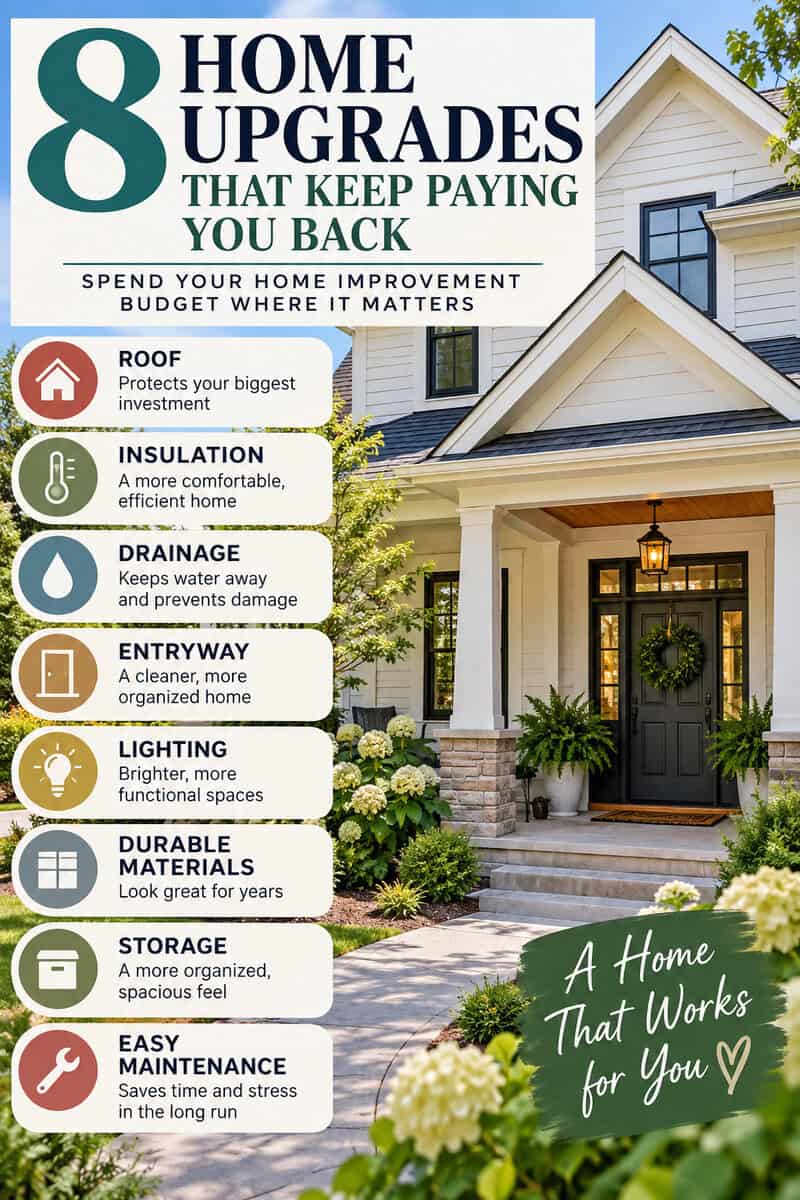
Storage has the greatest value when it removes friction from a routine. Adding cabinets simply because an empty wall exists can create more places to accumulate things without making the house easier to use.
Instead, map recurring clutter. If mail always lands on the kitchen counter, create a small sorting point nearby. If sports equipment blocks the garage walkway, give it vertical storage close to the door. If cleaning supplies travel between floors, consider whether each level needs a compact set.
This approach treats storage as infrastructure for movement. The goal is not to make possessions invisible; it is to put frequently used things where people naturally reach for them.
Well-planned storage can make an existing house feel larger because circulation improves and useful surfaces stop serving as permanent holding areas.
Make Maintenance Easier for Your Future Self
One of the most underrated upgrades is making the house simpler to maintain. A beautiful mechanical room is unnecessary, but accessible equipment, clear labels, adequate lighting, and organized records can save real time when something goes wrong.
Label water shutoffs and electrical circuits clearly. Keep filters and routine service points accessible. Store manuals, warranties, contractor information, paint details, and records of major repairs together. Photograph concealed plumbing or wiring before renovated walls are closed when appropriate.
These small decisions become valuable during emergencies and future projects. Five years from now, knowing which valve controls a leaking fixture or which paint was used in a room can prevent unnecessary frustration.
That is the larger pattern behind upgrades that remain good value. They are not necessarily the projects with the highest price tags or the strongest visual impact. They protect the house, remove recurring discomfort, simplify maintenance, and make ordinary routines work better.
For Pittsburgh homeowners, the smartest renovation budget can therefore begin with a different question. Instead of asking what will make the home look newer, ask what problem you would happily never deal with again. An upgrade that answers that question can keep paying back its cost in comfort, protection, time, and avoided hassle long after the contractors leave.

Ellen is a busy mom of a 29-year-old son and 33-year-old daughter. She owns nine blogs and is addicted to social media. She believes that it doesn’t have to be difficult to lead a healthy life. She shares simple healthy living tips to show busy women how to lead fulfilling lives. If you’d like to work together, email info@confessionsofanover-workedmom.com to chat.
