
Last Updated on September 7, 2026 by Ellen Christian
Your home decor does more than fill a room. It carries your taste, your routines, and sometimes your budget’s most dramatic decisions. Water damage can wreck that in a single afternoon, whether it comes from a leaking pipe, a storm, or an appliance with terrible timing. If you want your space to stay stylish and functional, you need prevention habits that work in real homes, not just in showroom-perfect ones.
Posts may be sponsored. This post contains affiliate links, which means I will make a commission at no extra cost to you should you click through and make a purchase. As an Amazon Associate I earn from qualifying purchases.
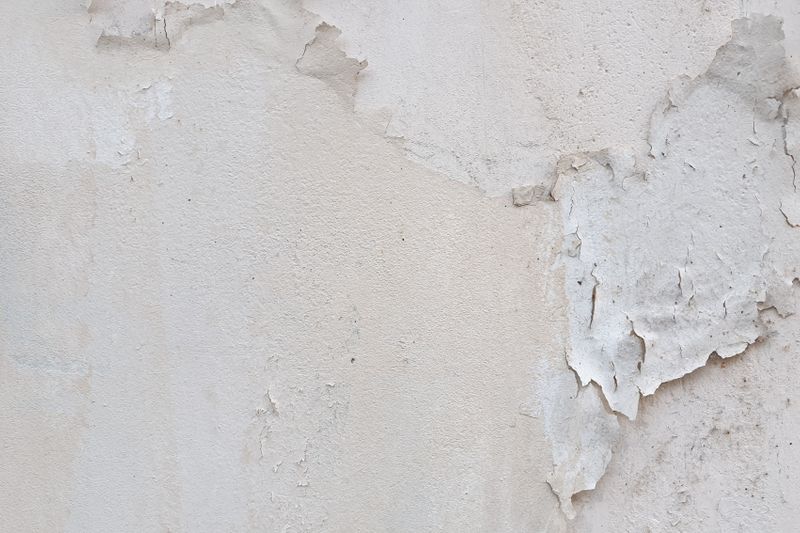
Start With the Decor Items Water Damages First
Some pieces in your home are basically sitting ducks when water shows up. Rugs, upholstered chairs, wood side tables, floor lamps, canvas art, and storage baskets tend to absorb moisture fast.
Once that happens, you’re not just dealing with a stain. You could be facing warping, mold, musty odors, peeling finishes, and fabric damage that doesn’t bounce back. Even small leaks can quietly ruin expensive pieces over time.
Walk through your rooms and identify anything sitting directly on the floor or close to plumbing lines, windows, or exterior walls. That includes console tables near entryways and decorative benches under windows.
If a piece would be hard to dry, clean, or replace, it needs a little extra protection. Home decor looks calm and polished on the surface. Behind the scenes, it needs a risk-management mindset.
Build a Fast Response Plan for Spills, Leaks, and Flooding
When water hits your home, speed matters. A quick response can save flooring, furniture, and decorative finishes before they absorb too much moisture.
Keep a simple action plan ready:
– Shut off the water source if possible
– Move decor and textiles away from the wet area
– Blot, don’t scrub, soaked fabrics and rugs
– Use fans and dehumidifiers right away
– Take photos for insurance documentation
– Check behind furniture and under rugs for hidden moisture
For anything beyond a small spill, professional help may be necessary. If moisture gets into walls, subflooring, or large upholstered items, a qualified water damage restoration company can assess drying needs and help prevent mold growth.
You’re not overreacting by acting fast. Water has a talent for traveling farther than it first appears.
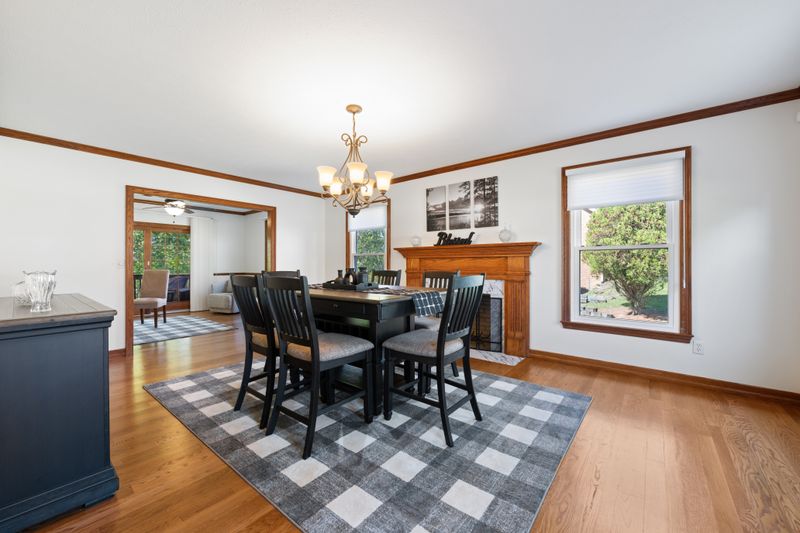
Choose Materials That Can Handle Real-Life Moisture
Not all decor materials perform the same when humidity rises or water sneaks in. If you’re decorating bathrooms, laundry rooms, basements, kitchens, or mudrooms, durability matters as much as appearance.
Consider these smarter material choices:
– Washable rugs instead of delicate natural-fiber rugs
– Metal or sealed wood furniture instead of raw wood
– Performance fabrics for benches, stools, and accent chairs
– Framed prints under glass instead of unprotected canvas
– Ceramic, resin, or treated decor instead of porous materials
You don’t need to make your home look industrial or boring. You just want finishes that won’t surrender the moment a pipe drips or a kid spills water like it’s an Olympic event.
When you shop, ask how the material handles moisture, cleaning, and humidity. Good decor should survive your actual life, not just a catalog photo.
Rearrange With Water Risk in Mind
Layout plays a bigger role than most people realize. The wrong placement can turn minor water exposure into major damage. A beautiful cabinet pushed against a basement wall might look great until hidden condensation starts affecting the back panel.
Keep furniture slightly away from exterior walls in moisture-prone rooms. Give rugs breathing room near doors where rainwater gets tracked in. Avoid placing fabric storage ottomans under windows or directly beside radiators and HVAC units.
It also helps to lift vulnerable decor off the floor where possible. Use furniture risers, decorative feet, or wall-mounted options for storage and display.
This doesn’t mean decorating in fear. It means designing with awareness. The best rooms feel effortless, but they usually come from smart decisions you barely notice at first glance.
Watch the Quiet Warning Signs Before Damage Spreads
Water damage rarely starts with a dramatic ceiling collapse. Usually it begins with subtle clues people ignore because they seem minor or temporary.
Pay attention to signs like:
– Paint bubbling or peeling
– Baseboards that look swollen
– A musty smell that lingers
– Warped wood or laminate edges
– Yellow or brown ceiling spots
– Condensation collecting repeatedly in one area
– Rugs that feel damp underneath
Those signs can point to hidden leaks, poor ventilation, or water getting in from outside. Decor often reveals the problem before the structure does. A discolored curtain hem or warped picture frame can be the first red flag.
If you catch these issues early, cleanup is easier and cheaper. Ignore them, and your accent wall may become an accidental science experiment.
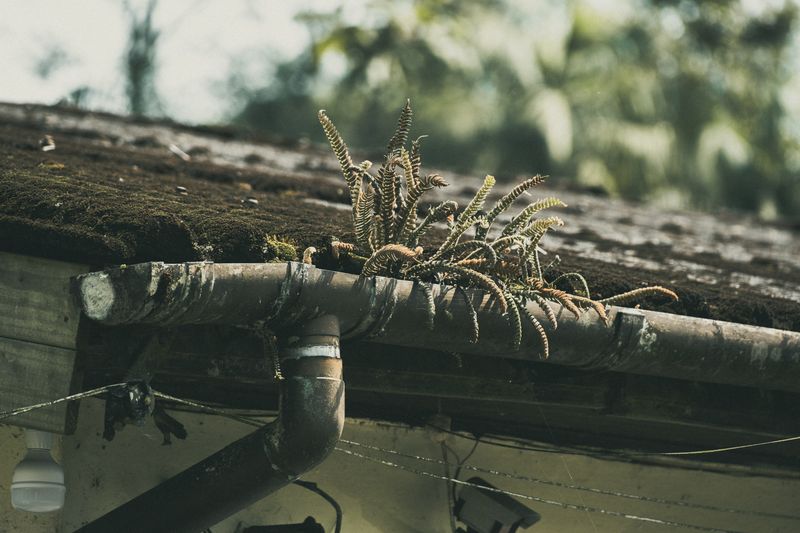
Protect High-Value Decor With Preventive Habits
The most effective protection often comes from boring little routines. Not glamorous, but very useful. Decorative damage often starts because maintenance slipped through the cracks.
Make these habits part of your home care routine:
– Inspect under sinks once a month
– Check washing machine hoses for wear
– Clean gutters so water drains away properly
– Reseal windows if drafts or moisture show up
– Use a dehumidifier in damp rooms
– Rotate rugs and inspect the flooring beneath them
– Keep valuable items out of basement floor storage
If you have heirloom decor, custom upholstery, framed art, or designer rugs, consider where they live in your home. The prettiest corner isn’t always the safest one.
Prevention can feel unexciting until it saves a favorite piece. Then it suddenly looks like genius.
Make Moisture-Prone Rooms Look Good Without Taking Big Risks
You can still have style in bathrooms, kitchens, entryways, and basements. The trick is choosing decor that suits the room instead of fighting it.
In entryways, use washable runners, wall hooks, and elevated shoe storage. In bathrooms, go for moisture-friendly art, sealed shelving, and easy-clean baskets. In basements, avoid placing sentimental decor directly on concrete floors.
Layer texture through items that can handle cleanup, like indoor-outdoor rugs, painted wood, ceramic lamps, and metal-framed mirrors. Add softness with pieces you can wash or rotate out seasonally.
This approach gives you a polished room without turning every leak into a financial crisis. Good design isn’t just about what looks impressive. It’s also about what keeps working after weather, mess, and daily life take their shot.
Know When Repair, Replacement, or Professional Help Makes Sense
Not every water-damaged decor item can be saved, and not every item should be tossed immediately. The decision depends on the material, sentimental value, contamination level, and how long the moisture was present.
A machine-washable curtain may recover easily. A particleboard cabinet that has swollen and split probably will not. Upholstered furniture exposed to clean water for a short period may be restorable, while items affected by contaminated water require much more caution.
The U.S. Environmental Protection Agency recommends drying water-damaged materials as quickly as possible and addressing moisture within roughly 24 to 48 hours to reduce the chance of mold growth. That is especially important for porous materials such as fabric, carpet, and some types of furniture.
If you are unsure whether an item can be safely cleaned or restored, get expert input before spending money on cosmetic fixes. The Centers for Disease Control and Prevention notes that mold can grow on damp materials and that people with allergies, asthma, or weakened immune systems may be more sensitive to exposure.
Surface drying can be misleading when moisture remains trapped inside. Your home decor should support your life, not create stress every time the forecast turns ugly. With smart materials, better placement, and a fast response plan, you can protect your space and keep it looking like home, not a cleanup zone.

Ellen is a busy mom of a 29-year-old son and 33-year-old daughter. She owns nine blogs and is addicted to social media. She believes that it doesn’t have to be difficult to lead a healthy life. She shares simple healthy living tips to show busy women how to lead fulfilling lives. If you’d like to work together, email info@confessionsofanover-workedmom.com to chat.
