
Last Updated on September 23, 2026 by Ellen Christian
A beautiful backyard should give your family a place to relax—not a second job. The good news is that you do not need perfectly edged flower beds, a spotless lawn, or hours of free time to create an outdoor space that feels welcoming.
Posts may be sponsored. This post contains affiliate links, which means I will make a commission at no extra cost to you should you click through and make a purchase. As an Amazon Associate I earn from qualifying purchases.
The best low-effort landscaping ideas reduce the jobs that must be repeated every week. Instead of adding more plants to water, weeds to pull, and grass to mow, you make a few thoughtful choices that allow the yard to look good with less attention.
Whether you want a comfortable place for family dinners, a safe area for children to play, or simply a quiet spot to sit at the end of the day, these practical ideas can help you spend less time working in the yard and more time enjoying it.
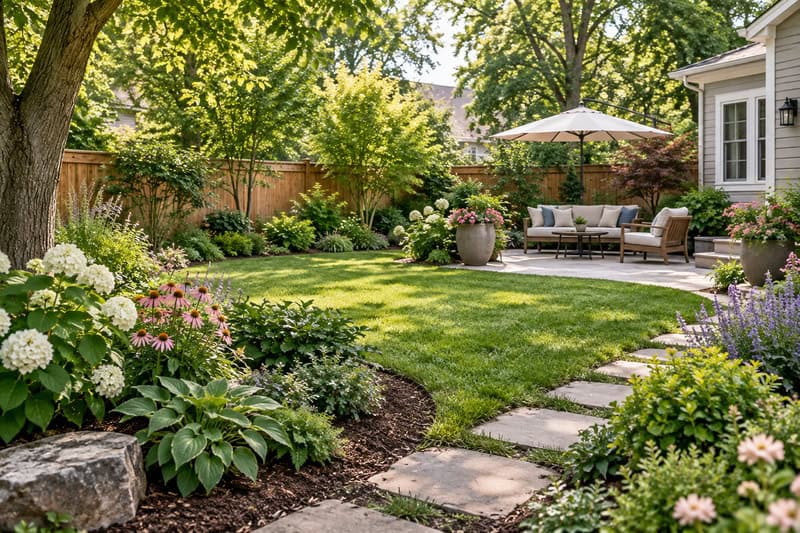
Start With the Parts of the Yard You Use Most
Before buying plants or starting a new garden bed, think about what your family actually does outside. Do you eat on the patio, watch children play, sit around a fire pit, garden, or entertain friends?
Choose one or two frequently used areas and improve those first. A comfortable chair in the shade, a clear path to the garden, or a small dining area may make a bigger difference than an elaborate flower bed at the far edge of the property.
Focusing on the most useful spaces keeps the project affordable and prevents you from creating landscaping that looks impressive but requires constant care.
Replace Fussy Plants With Reliable Ones
Every yard has plants that demand too much attention. They wilt quickly, spread where they are not wanted, attract pests, or need frequent pruning to look tidy. If a plant repeatedly creates work, it may not deserve a permanent place in your landscape.
Look for dependable plants that suit the amount of sun, moisture, and winter cold in that exact part of the yard. Native plants are often a smart choice because they are adapted to local conditions and can provide food or shelter for pollinators and birds.
Perennials also save time because they return each year. However, “perennial” does not automatically mean “easy.” Check the plant’s mature size and growth habits before bringing it home. A plant that fits its space naturally will require less dividing, staking, trimming, and transplanting later.
For the simplest care routine, group plants with similar needs together. You will be able to water one area thoroughly instead of carrying a hose from plant to plant.
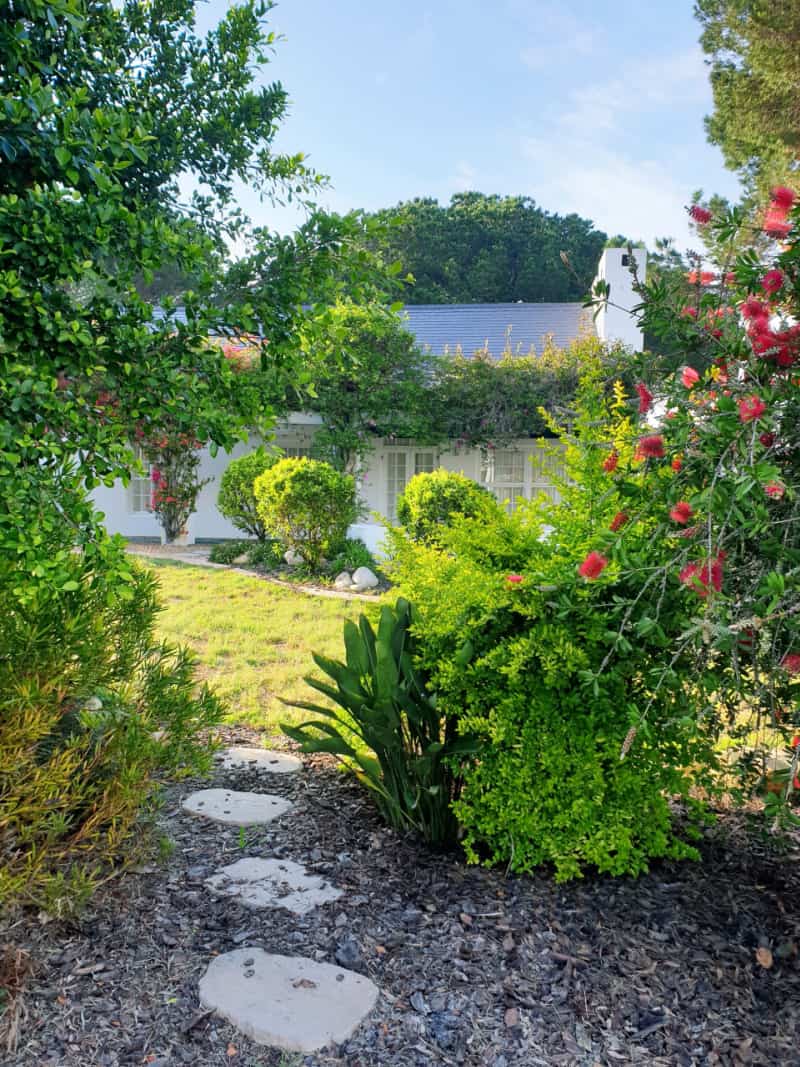
Use Mulch to Cut Down on Weeding and Watering
A layer of mulch is one of the easiest ways to reduce garden maintenance. It helps block weed seeds, slows moisture loss, protects the soil from heavy rain, and gives garden beds a finished appearance.
Apply about two to three inches of mulch around established plants, leaving a little open space around stems and tree trunks. Piling mulch directly against a trunk can trap moisture and contribute to decay.
Shredded bark and wood chips work well in many ornamental beds. Pine needles, chopped leaves, or other locally available materials may also be useful, depending on the location. Whatever material you choose, avoid making the layer so deep that water cannot reach the soil easily.
Add Planters Where They Will Have the Most Impact
Containers are an easy way to add color without digging another garden bed. A large planter beside the front door, patio, or seating area can create a focal point while keeping maintenance contained.
One large pot is often easier to manage than several small ones because it holds moisture longer. Choose a container with drainage holes, and use plants that tolerate the conditions where the pot will sit.
For less replanting, combine a hardy perennial or small shrub with seasonal accents. You can also keep the design extremely simple by using one bold plant in each container. Repeating the same pot or plant in two or three locations makes the yard look coordinated without requiring complicated arrangements.
Place containers near a water source or along a route you walk regularly. A planter at the end of a long driveway may be forgotten, while one beside the door is easy to check as you come and go.
Make Watering Almost Automatic
Dragging a hose around the yard is one of those chores that feels small until it must be done every hot day. Drip tubing and soaker hoses can deliver water slowly to the soil around plant roots, making them useful for garden beds and rows of plants.
An inexpensive timer can make the routine even easier. Set it to water early in the morning, then adjust the schedule during rainy or cool periods so plants are not watered unnecessarily.
You can also reduce watering by:
- Choosing plants suited to your usual rainfall
- Grouping thirsty plants together
- Watering deeply instead of giving plants a quick daily sprinkle
- Adding mulch after the soil is moist
- Removing weeds that compete with plants for water
- Using larger containers that dry out more slowly
Even with a timer, check the soil occasionally. Shaded areas, clay soil, slopes, and containers may all need different schedules.
Shrink the Lawn in Difficult Areas
Grass is useful for play and open space, but it is not always the easiest ground cover. Narrow strips, steep slopes, shady corners, and areas around trees can be frustrating to mow and may never grow evenly.
Instead of repeatedly reseeding a problem area, consider turning it into something that needs less weekly attention. Depending on the location, you might use:
- A mulched bed with a few well-spaced shrubs
- A shade-tolerant ground cover appropriate for your region
- A simple gravel or stepping-stone path
- A small seating area
- A naturalized section that is mowed only occasionally
You do not need to remove the whole lawn. Start with the places that are hardest to mow or least useful to your family.
Give Every Outdoor Activity a Simple Zone
A family-friendly backyard works best when there is an obvious place for each activity. The zones do not need walls or expensive construction. A change in surface, a row of planters, or the position of outdoor furniture can make one area feel separate from another.
You might create:
- A table and chairs near the house for meals
- A clear patch of lawn for games
- A washable mat or gravel area for messy projects
- A shaded bench for reading and relaxing
- A small garden bed where children can grow easy vegetables
Keep the busiest zones fairly close together. When the seating area, play area, and grilling space are visible from one another, adults can relax while keeping an eye on children and pets. It also makes cleanup easier because supplies are not scattered across the entire yard.
For more ideas, see how to create a backyard oasis on a budget.
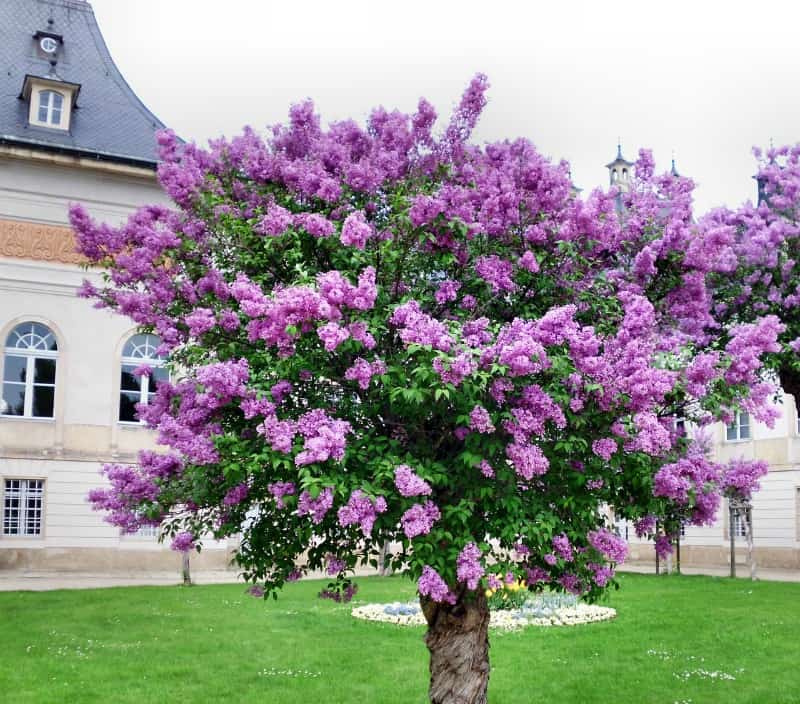
Create Clean Edges That Are Easy to Maintain
Clear boundaries make a yard look more organized, even when the plants inside the beds are informal. The trick is to choose edging that does not create extra trimming work.
A wide, level edge that a mower wheel can travel over is easier to maintain than a raised border surrounded by grass. Gravel paths, pavers, and mulched strips can also separate beds from lawn while reducing awkward mowing corners.
Whenever possible, use broad curves instead of tight angles. They are easier to mow around and give the landscape a softer, more natural appearance.
Choose Fewer, Larger Features
Small decorative items can make a yard feel cluttered and create obstacles when mowing, raking, or moving a hose. A few larger features usually make a stronger visual statement and are easier to maintain.
Try one large planter instead of five tiny pots, one generous seating area instead of chairs scattered across the yard, or one well-planned flower bed rather than several disconnected patches.
This principle also works with plants. Repeating a few reliable varieties in groups can look intentional and attractive while giving you fewer care requirements to remember.
Keep Tools Close to Where You Use Them
Sometimes landscaping feels demanding because every small job requires a trip to the garage or shed. Keep a small weather-resistant container near the garden or patio with the basics you use regularly, such as gloves, hand pruners, plant ties, and a small weeding tool.
A hose hanger near the faucet prevents tangles, and a lightweight hose or watering wand may be easier to use than a heavy traditional hose. When tools are easy to reach and put away, five-minute maintenance jobs are less likely to become hour-long weekend projects.
Follow a 10-Minute Yard Routine
Instead of saving every outdoor chore for the weekend, do one short task when you are already outside. Ten minutes is enough time to pull a few weeds, deadhead flowers near the patio, refill a watering can, or return toys and tools to their places.
Concentrate on what you can see from the house and the areas your family uses most. The backyard does not need to be perfect from every angle. Keeping the main spaces comfortable and reasonably tidy will have the greatest effect on how the entire yard feels.
Low-Effort Landscaping at a Glance
| Landscaping choice | How it reduces maintenance | Family-friendly benefit |
|---|---|---|
| Climate-suitable plants | Need less special care | More reliable color and greenery |
| Perennials | Return without annual replanting | Saves time and money each spring |
| Mulch | Suppresses weeds and retains moisture | Fewer repetitive garden chores |
| Large planters | Dry out more slowly than small pots | Adds color exactly where you want it |
| Drip irrigation or soaker hoses | Waters plants at soil level | Reduces time spent holding a hose |
| Simple activity zones | Keeps furniture and supplies organized | Makes the yard easier to use together |
| Broad paths and borders | Simplifies mowing and trimming | Creates safer, clearer walking areas |
Frequently Asked Questions
What is the easiest landscaping for a busy family?
The easiest landscaping uses plants that naturally suit the yard, mulched beds, simple borders, and only as much lawn as the family needs. Concentrate plants near the home and outdoor living areas rather than spreading small beds across the entire property. Automated watering and a few large containers can add color without creating a long weekly chore list.
How can I make my backyard look better without planting more?
Start by removing clutter, coiling the hose, defining the edges of existing beds, adding fresh mulch, and arranging outdoor furniture into one inviting group. A clean path and one attractive focal point—such as a large planter or painted bench—can improve the yard without adding more plants to maintain.
Are native plants always low-maintenance?
Native plants are often well suited to local weather and soil, but they still need the correct location. A sun-loving native planted in deep shade will struggle, while an aggressive spreader may require regular control. Check the plant’s light, moisture, mature size, and growth habits before adding it to your yard.
What can I use instead of grass in hard-to-mow areas?
Options include mulch, gravel, stepping stones, regionally appropriate ground covers, or a naturalized planting of shrubs and perennials. The right choice depends on sunlight, drainage, foot traffic, and whether children or pets use the area.
How do I make an established yard easier to maintain?
Begin with the chore you dislike most. If watering takes too long, group containers and install a timer. If mowing is difficult, simplify tight corners and convert troublesome patches to mulch or another surface. If weeding is the problem, remove persistent weeds and apply mulch. Fixing one repeated frustration at a time is more manageable than redesigning the entire yard.
A Backyard That Works for Your Family
Low-maintenance landscaping is not about ignoring the yard. It is about designing the space so that ordinary care fits into your real life. The right plants, fewer problem areas, easier watering, and practical outdoor zones can prevent the backyard from becoming another source of stress.
Start with one change that will eliminate a chore you repeat every week. Over time, those small improvements can create a comfortable outdoor space where your family can eat, play, talk, and relax without spending every weekend maintaining it.
For more inspiration, read these lilac and landscaping ideas for Vermont gardens.

Ellen is a busy mom of a 29-year-old son and 33-year-old daughter. She owns nine blogs and is addicted to social media. She believes that it doesn’t have to be difficult to lead a healthy life. She shares simple healthy living tips to show busy women how to lead fulfilling lives. If you’d like to work together, email info@confessionsofanover-workedmom.com to chat.
