
Last Updated on September 24, 2026 by Ellen Christian
Could the little harmless-looking hailstones rattling against your windows be dealing a fatal blow to the lifespan of your roof? Homeowners tend to brace for massive, baseball-sized hail or tornado-force winds.
Posts may be sponsored. This post contains affiliate links, which means I will make a commission at no extra cost to you should you click through and make a purchase. As an Amazon Associate I earn from qualifying purchases.
Still, modern research shows the silent killer of your roof’s integrity may be the cumulative effect of minor storms. Homes in Lincoln, Nebraska, are constantly pounded by a volatile cocktail of severe weather, including high winds, heavy rains and punishing hail.
Since the roof is your home’s first line of defense, proactive planning with a qualified local expert is essential to minimizing catastrophic storm damage. In this article, we’ll walk you through the basic steps a professional uses to get your home ready for severe weather.
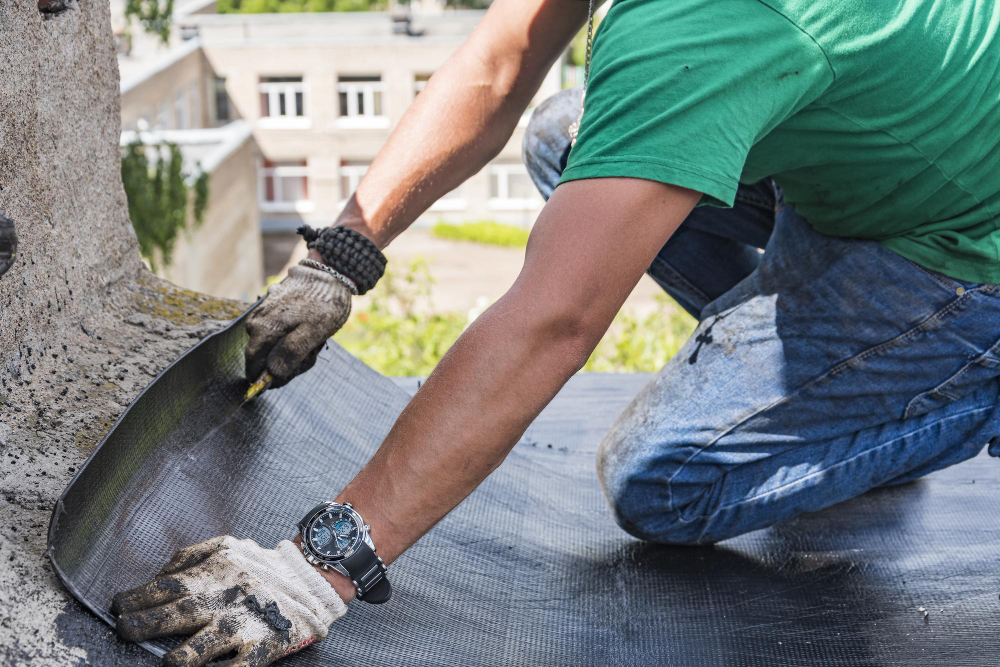
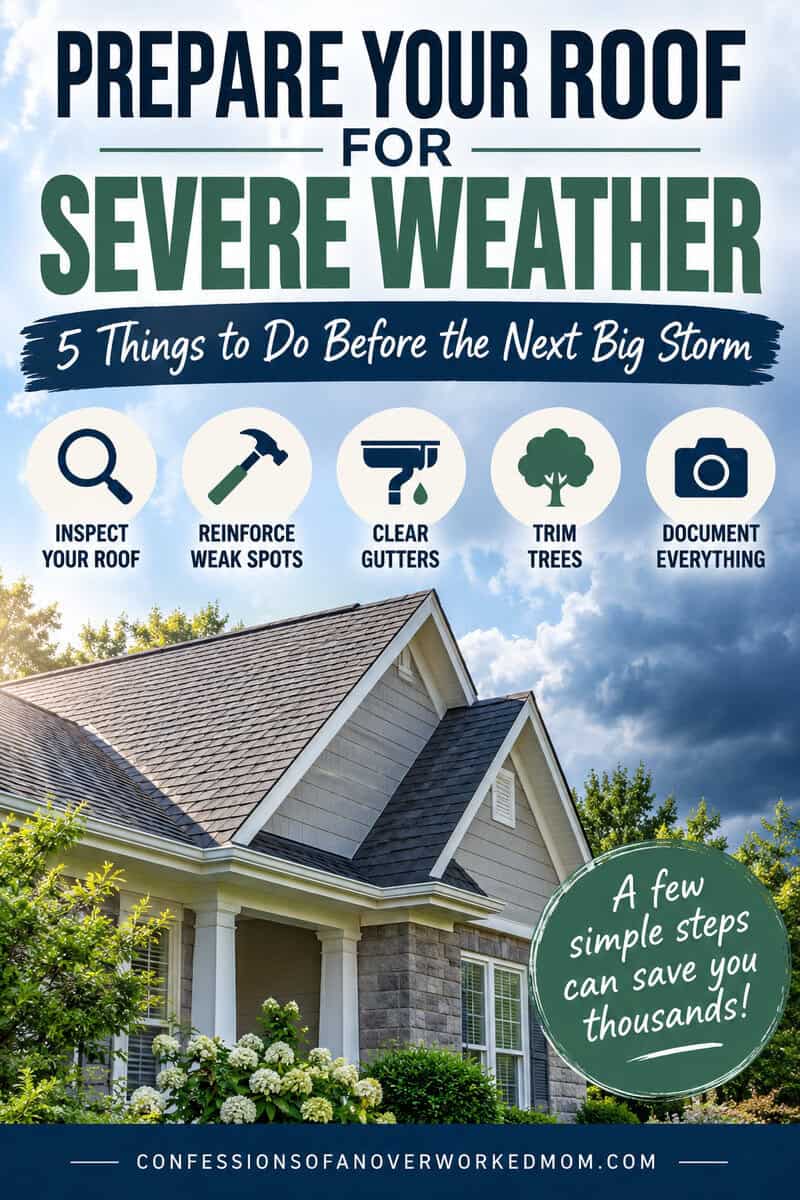
1. Professional Roof Inspection and Damage Assessment
The first step in preparing for a storm is a complete assessment. Contractors do in-depth inspections that go far beyond a glance at the driveway. They examine the condition of the shingles, flashing, vents, chimneys, and the integrity of the underlying roof deck.
In states such as Nebraska, experts look for specific signs of vulnerability, such as freeze-thaw cracking, granule loss, and wind-lifted shingles. For example, a professional might see a few loose shingles near the eaves as a minor problem.
If left uncorrected, this problem could allow water to seep into the roof deck during the next heavy squall. Based on the patterns of deterioration found, your roofing contractor Lincoln, will recommend specific repairs.
These repairs will strengthen weak areas or advise a complete replacement if the system is beyond repair.
RELATED: What questions should you ask when hiring a roofer?
2. Reinforcing Vulnerable Roof Components
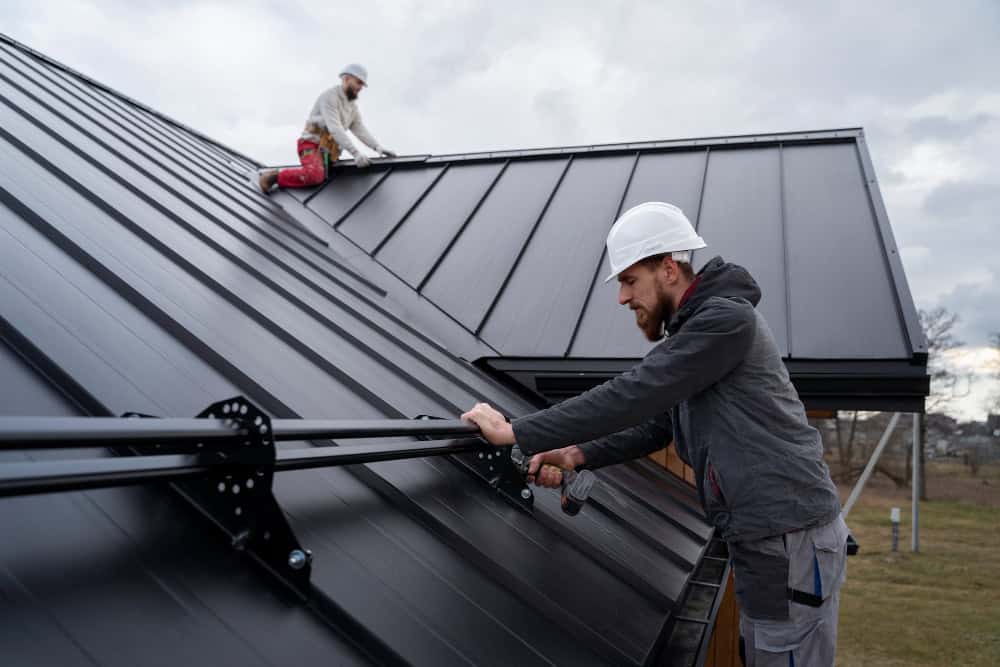
Once contractors identify weak spots, they focus on strengthening the roof against the most severe elements. Contractors will also seal critical areas such as chimney flashing, ridge caps, and roof penetrations with high-grade sealants and specialty roofing cement to prevent leaks from wind-driven rain.
Many contractors recommend upgrading to impact-resistant, hail-rated shingles, such as UL 2218 Class 4 products, for long-term protection. Proper nailing procedures, such as extra nails per shingle, are critical to withstand Nebraska’s extreme storms.
Research underscores the need for these upgrades. A study found that repeated exposure to “sub-severe” hail (less than one inch in diameter) significantly hastens shingle aging. Researchers have found that this small hail removes the protective granules.
It leaves the roof about ten times more likely to fail catastrophically when a severe hailstorm finally hits. A contractor may also suggest optional structural enhancements, such as hurricane straps or wind-rated edge systems, to better resist wind uplift.
3. Drainage and Water Management Optimization
A good roof has to shed water fast. Storm preparation includes thoroughly cleaning, repairing, and testing gutters and downspouts to ensure stormwater flows away from your house foundation safely. Here are a few extensions that you can add for further safety:
- Gutter Guards: Fit tough gutter guards to prevent leaves and twigs from clogging up your gutters in tree-lined neighborhoods.
- Downspout Extensions: Extend at least 6 feet away from the foundation to prevent soil erosion and basement flooding.
- Ice Dam Prevention: In winter, good drainage is important. If gutters are clogged, water backs up under the eaves, freezes, and creates destructive ice dams that can pry shingles apart.
This could mean a contractor rerouting a downspout that currently dumps water directly onto a lower roof section, thus avoiding localized pooling and premature degradation of those lower shingles.
4. Surrounding Property Risk Reduction
Your roof is not in a vacuum; the surrounding environment greatly affects its survivability. Storm preparation is a multi-pronged approach that begins with assessing the local terrain.
Contractors strongly suggest trimming tree branches back at least 6 to 10 feet from the roofline. This prevents heavy branches from hitting the roof in high winds and reduces debris buildup, which traps moisture. A few steps that you can take are:
- Secure Projectiles: Store or secure outdoor items such as patio furniture or heavy grills that can become dangerous wind-borne projectiles.
- Anchor Equipment: Make sure rooftop equipment, such as solar panels or satellite dishes, are properly anchored, and check loose siding to ensure it is secured so it doesn’t blow off and damage the roof edge.
5. Emergency Preparedness and Documentation
Even the most carefully prepared roofs can be damaged by extreme weather. A progressive contractor will walk you through a post-event action plan.
It may start with pre-storm photo documentation of your roof, siding, and gutters to provide irrefutable “before” evidence for future insurance claims. Contractors also advise having an emergency staging kit.
Have tarps, buckets, heavy-duty flashlights, and your roofer’s contact information ready for a quick post-storm response. Plus, the upgrade to durable materials has financial benefits.
Nebraska’s Department of Insurance recommends that homeowners ask their insurer which resilience upgrades qualify for discounts, and specifically mentions impact-resistant roofing as a material that may qualify.
Conclusion
By taking a systematic approach to severe weather preparation that fully inspects, fortifies, drains, and documents your property, you greatly reduce your risk of catastrophic storm damage.
With reinforcement on vulnerable components and a few small fixes before they become bigger problems, you can greatly extend your roof’s life. Don’t wait for dark clouds to gather to think about your roof’s integrity.
Schedule a seasonal inspection before spring and early summer storm peaks, and call a licensed local roofer today for a full storm-readiness assessment.
Sources
Sub-severe hail: the missing piece in assessing asphalt shingle risk in North America

Ellen is a busy mom of a 29-year-old son and 33-year-old daughter. She owns nine blogs and is addicted to social media. She believes that it doesn’t have to be difficult to lead a healthy life. She shares simple healthy living tips to show busy women how to lead fulfilling lives. If you’d like to work together, email info@confessionsofanover-workedmom.com to chat.
