
Last Updated on August 19, 2026 by Ellen Christian
Your roof does more than keep rain out. It affects your energy bills, curb appeal, insurance costs, and how much stress you deal with during severe weather. Heat, humidity, heavy rain, strong winds, and changing temperatures can all take a toll on roofing materials over time. That can turn a roofing decision into a high-stakes home upgrade, so making a smart choice now may help you avoid expensive surprises later.
Posts may be sponsored. This post contains affiliate links, which means I will make a commission at no extra cost to you should you click through and make a purchase. As an Amazon Associate I earn from qualifying purchases.
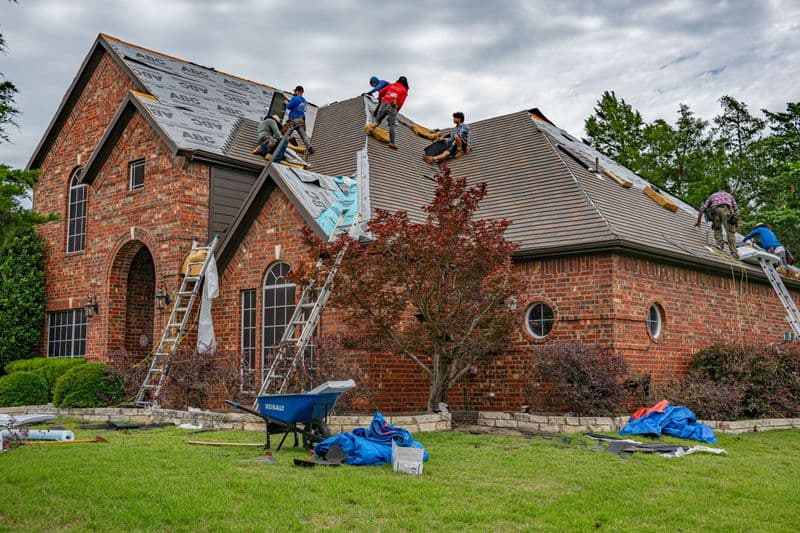
Start With What Your Home Actually Needs
It’s easy to get distracted by color samples and glossy product photos. Your first job is less exciting but far more useful: figure out what your home needs from a roof.
Think about the weather conditions your roof regularly faces, your home’s structure, and your long-term plans. Intense sun, moisture, strong winds, heavy rain, and sudden storms can all affect roofing materials differently. Choosing a roof that can handle the conditions your home faces can improve durability and long-term performance.
Focus on practical questions:
– How old is your current roof?
– Have you had leaks, missing shingles, or storm damage?
– Do you plan to stay in the home for 10 years or sell sooner?
– Is energy efficiency high on your priority list?
– Does your homeowners association limit material or color choices?
A roof isn’t just a decorative hat for your house. It’s part weather shield, part insulation system, part resale strategy. If you define your priorities early, every decision after that gets easier.
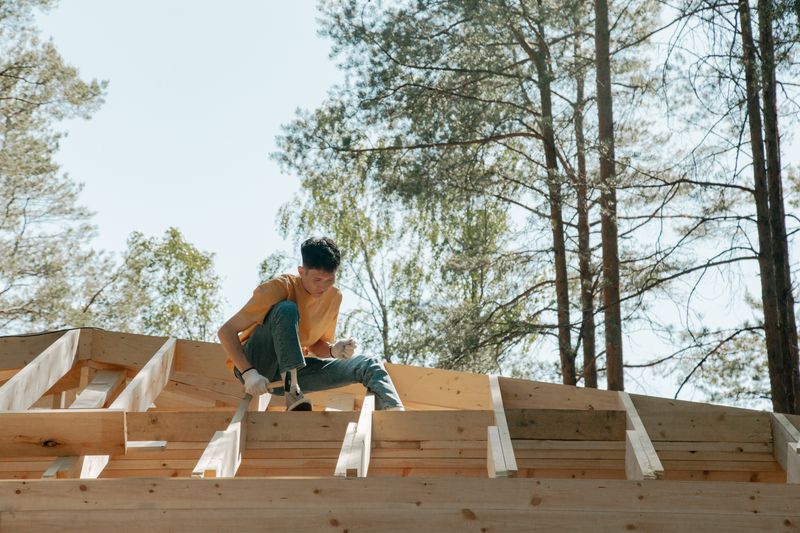
Choose a Contractor With More Than a Good Sales Pitch
A roof is only as good as the crew installing it. Even premium materials can fail early if the workmanship is sloppy.
Take time to vet the contractor carefully. If you’re comparing bids, working with an experienced roofing company can help you navigate material choices, installation requirements, permit considerations, and storm-resistant roofing options.
Look beyond the quote total. Ask whether the contractor is licensed and insured, how long they’ve worked in your area, and whether they can provide recent local references. Check reviews, but read them with some skepticism. One dramatic one-star rant about “the worst Tuesday of my life” doesn’t always tell the full story.
A trustworthy contractor should also explain:
– Project timeline
– Cleanup process
– Warranty coverage
– Payment schedule
– Material options and tradeoffs
– Permit and inspection handling
You’re not buying shingles alone. You’re buying labor, judgment, and accountability.
Compare Roofing Materials Beyond the Price Tag
Most homeowners start with cost, which makes sense. Still, the cheapest option upfront can become the most expensive over time.
Asphalt shingles remain popular because they’re affordable and widely available. They’re a solid fit for many homes, but lifespan and wind resistance can vary a lot by product grade. Metal roofing costs more initially, yet it often lasts longer and reflects heat well. Tile roofs offer strong durability and a distinct look, especially in warm climates, though they’re heavier and may require structural support.
When comparing materials, look at:
– Expected lifespan
– Wind and impact resistance
– Energy efficiency
– Maintenance needs
– Weight and structural compatibility
– Warranty terms
A material that survives heat, rain, and flying debris without constant repairs can earn its keep. Cheap and cheerful stops being cheerful once you’re paying for patch jobs every season.
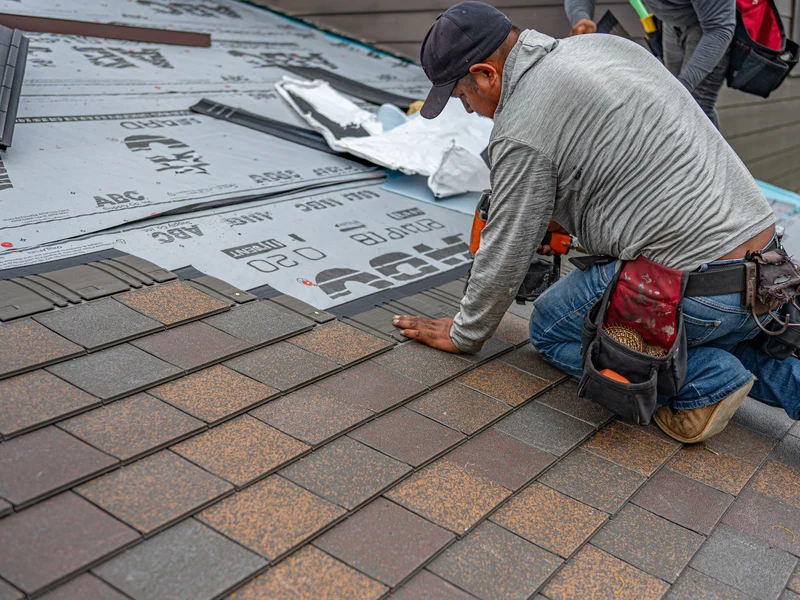
Pay Attention to Energy Performance and Ventilation
Many people think of roofing as a leak issue first. Fair enough. Still, your roof also plays a major role in indoor comfort and utility bills.
Lighter-colored or reflective roofing materials can help reduce heat absorption. In hot regions, that can ease the burden on your HVAC system and make upstairs rooms less miserable in late afternoon. Proper attic ventilation matters just as much. Without it, heat and moisture can build up, shortening the life of roofing materials and pushing cooling costs higher.
Look for systems designed to work together, including underlayment, ridge vents, and insulation support. A beautiful roof that traps heat is a bit like wearing a winter coat in July.
Ask contractors specific questions:
– Will this material improve solar reflectance?
– How will ventilation be addressed?
– Are there any local energy-efficiency incentives?
– Will attic airflow need upgrades during installation?
The right roof should protect your home from above without quietly sabotaging it from underneath.
Watch for Red Flags Before You Sign Anything
Roofing contracts can get messy fast if details are vague. A polished presentation doesn’t guarantee a polished result.
Be cautious if a contractor pressures you to sign immediately, asks for a large cash payment upfront, or avoids putting specifics in writing. Storm-chasing crews can appear after severe weather, offer quick fixes, and disappear before problems show up. That pattern has caused plenty of homeowner headaches.
A strong contract should clearly list materials, labor scope, warranty terms, estimated start and finish dates, payment structure, and cleanup responsibilities. If rotten decking or hidden damage is discovered during the job, there should be a process for change orders.
Before signing, check these basics:
– Full business name and license details
– Proof of insurance
– Exact roofing products to be installed
– Ventilation and underlayment details
– Who handles permits and inspections
– Written warranty information
If anything sounds fuzzy, ask more questions. Confusion is expensive. Clarity is cheaper.
Think About Resale Value and Neighborhood Fit
Your roof should work for your lifestyle now, but it should also make sense if you sell later. Buyers notice roofs quickly, especially when home inspectors start writing notes.
A new roof can improve buyer confidence, reduce negotiation friction, and strengthen curb appeal. That doesn’t mean you need the fanciest material on the market. It means your choice should fit the home, the neighborhood, and the likely expectations of future buyers.
For example, an ultra-premium roof in a modest neighborhood may not deliver the return you expect. On the other hand, a low-end material on a higher-value home can look out of place and raise concerns about upkeep.
Keep these resale factors in mind:
– Remaining lifespan at time of sale
– Transferable warranty options
– Style consistency with nearby homes
– Insurance appeal in storm-prone areas
– Energy-efficiency features buyers may value
A roof isn’t usually the star of the listing photos, but a bad one can absolutely steal the spotlight.
Plan for Maintenance Before Problems Start
Even the best roof needs occasional attention. Ignoring maintenance is one of the fastest ways to shorten its lifespan.
Set a simple schedule for visual checks after major storms and at least twice a year. Look for missing shingles, cracked flashing, clogged gutters, sagging areas, and water stains inside the house. Small issues can turn into expensive interior damage with impressive speed.
Trim overhanging branches, keep gutters clear, and don’t assume a roof is fine just because it isn’t actively leaking into a bucket. Preventive care is less dramatic, but drama is overrated when ceilings are involved.
If your area gets frequent wind or hail, ask your contractor whether routine inspections make sense. Keep all paperwork, including product information, receipts, and warranty documents. Organized records can help with future repairs, resale disclosures, and insurance claims.
Choosing the right roof means balancing budget, durability, appearance, and local conditions. If you slow down, ask smart questions, and work with the right professionals, you’ll end up with a roof that protects your home and your sanity for years.

Ellen is a busy mom of a 29-year-old son and 33-year-old daughter. She owns nine blogs and is addicted to social media. She believes that it doesn’t have to be difficult to lead a healthy life. She shares simple healthy living tips to show busy women how to lead fulfilling lives. If you’d like to work together, email info@confessionsofanover-workedmom.com to chat.
