
Last Updated on August 19, 2026 by Ellen Christian
A roof replacement or repair can be a significant investment, which makes choosing the right contractor an important decision. Many homeowners compare quotes and services but still feel uncertain about which company best fits their needs. A poor choice can lead to delays, communication issues, or workmanship concerns. Understanding what separates reliable roofing companies from the rest helps reduce uncertainty. This guide explains the key factors homeowners should evaluate before hiring a roofing contractor and how to make a more informed decision.
Posts may be sponsored. This post contains affiliate links, which means I will make a commission at no extra cost to you should you click through and make a purchase. As an Amazon Associate I earn from qualifying purchases.
Experience With Similar Roofing Projects
Residential Roofing Background
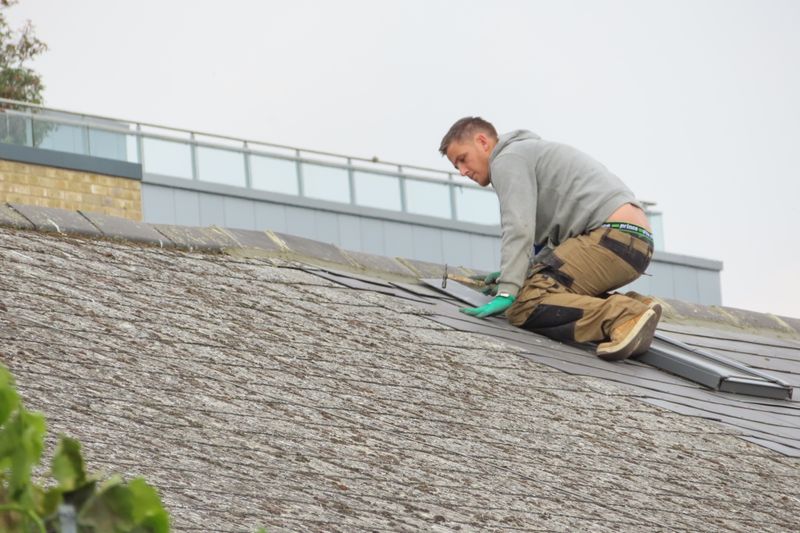
Every roofing company has different strengths. Some focus on residential homes, while others primarily handle commercial properties. When searching for a trusted local roofer, it is helpful to look for experience with projects similar to your own. Contractors who regularly work on the same type of roofing system are typically more familiar with the materials, installation methods, and potential challenges involved. This experience can contribute to a smoother project and more accurate recommendations.
Material-Specific Knowledge
Roofing systems vary considerably. Asphalt shingles, tile roofs, metal roofing, and flat roofing systems each require different techniques. Choosing a company with experience in the specific roofing material installed on your property helps ensure the work is completed according to industry standards.
Licensing, Insurance, and Certifications
Why Credentials Matter
Licensing and insurance help protect both homeowners and contractors during a project. Proper insurance coverage can reduce liability concerns if accidents occur during roofing work. These credentials also demonstrate a company’s commitment to operating professionally.
Questions Worth Asking
Before signing an agreement, homeowners should ask about licensing status, insurance coverage, and relevant certifications. A company that openly provides documentation typically creates greater confidence throughout the hiring process.
Communication and Project Transparency
Clear Estimates and Scope
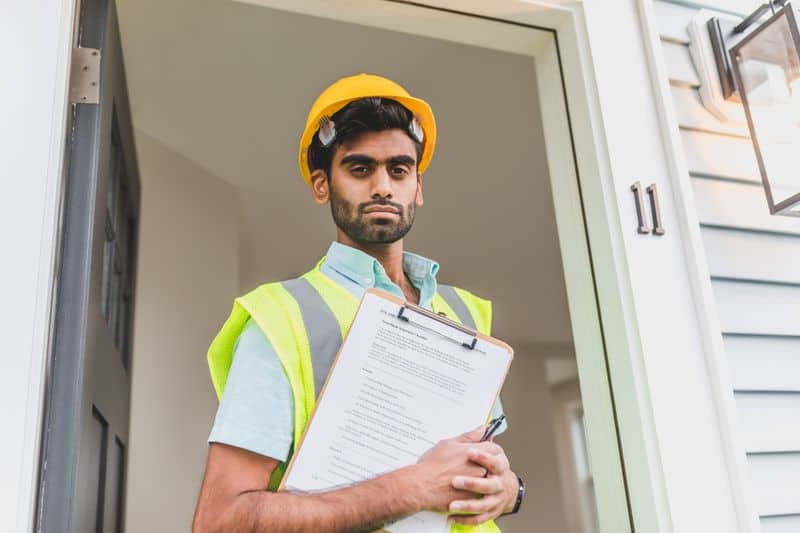
Strong communication is overlooked during contractor selection. Detailed estimates help homeowners understand exactly what work will be completed, which materials will be used, and what costs are included. Transparency reduces misunderstandings later in the project.
Project Updates and Expectations
Homeowners generally appreciate knowing what to expect during each phase of the roofing process. Companies that provide regular updates and realistic timelines create a smoother experience. Consistent communication can be just as important as technical expertise.
Reviews, References, and Reputation
Online reviews can provide valuable insight, but they should not be the only factor considered. Looking for patterns across multiple reviews reveals more useful information than focusing on a single positive or negative comment. References from previous customers can also provide perspective on project quality and communication.
A practical example involves comparing two contractors with similar pricing. One company may have stronger references and a more consistent service history. These details frequently provide a better indication of reliability than cost alone.
Warranty Coverage and Long-Term Support
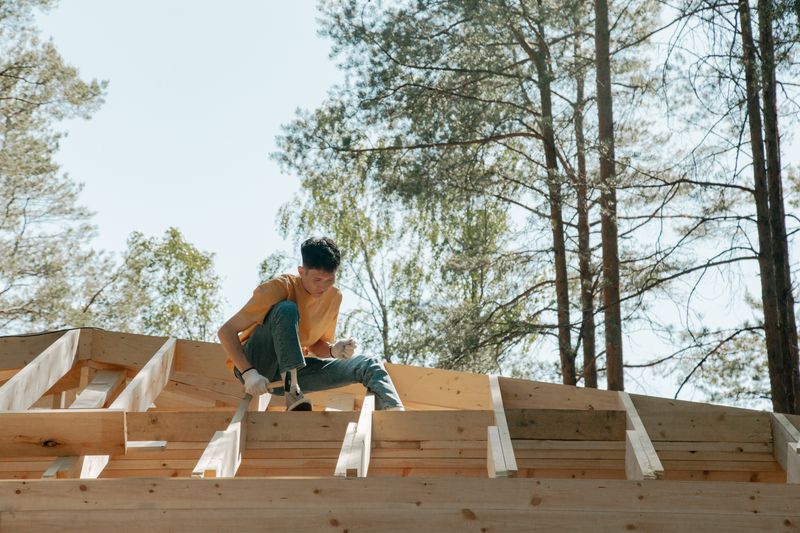
Warranty terms can vary significantly between roofing companies. Some warranties cover materials only, while others include workmanship protection. Understanding these differences helps homeowners evaluate long-term value rather than focusing solely on upfront pricing.
Several details deserve close attention:
- Material warranty coverage
- Workmanship warranty terms
- Service response procedures
- Coverage limitations and exclusions
- Length of warranty protection
Reviewing these factors can help prevent misunderstandings after project completion.
Professional Assessment and Decision Making
A thorough roof assessment helps identify existing problems and determine the most appropriate solutions. During inspections, roofing professionals evaluate roof condition, ventilation, flashing, drainage patterns, the presence of asbestos, and material performance. This information allows homeowners to compare recommendations based on actual conditions rather than assumptions.
Experienced contractors also help explain repair and replacement options in practical terms. Homeowners working with a trusted local roofer can gain a clearer understanding of project priorities, expected timelines, and potential challenges. This guidance supports more confident decision-making throughout the process.
Choosing the right roofing company involves more than comparing prices. Experience, credentials, communication, reputation, warranty coverage, and professional evaluations all contribute to a successful project. Homeowners who take time to assess these factors are usually better prepared to select the best roofing company that aligns with their needs. By understanding what to look for before signing a contract, property owners can make informed decisions that support quality workmanship and long-term roof performance.

Ellen is a busy mom of a 29-year-old son and 33-year-old daughter. She owns nine blogs and is addicted to social media. She believes that it doesn’t have to be difficult to lead a healthy life. She shares simple healthy living tips to show busy women how to lead fulfilling lives. If you’d like to work together, email info@confessionsofanover-workedmom.com to chat.
