
Last Updated on October 16, 2026 by Ellen Christian
Most costly repairs around a house do not appear overnight. They start as a faint drip under a sink, a furnace that takes a little longer to warm the rooms, or a breaker that trips now and then. Because these early signs are easy to live with, many people put them off until the day something finally stops working. By then, the fix is usually larger, more disruptive, and much harder on the budget. A preventive mindset changes that pattern. It means paying attention to small changes, acting while the choices are still simple, and treating the house as a connected system that rewards steady care rather than last-minute rescue.
Posts may be sponsored. This post contains affiliate links, which means I will make a commission at no extra cost to you should you click through and make a purchase. As an Amazon Associate I earn from qualifying purchases.

Why Small Warning Signs Deserve Quick Attention
Small warning signs tend to share one trait, which is that they get worse quietly while the household carries on as normal. Many property owners only start searching for home services once a leak has stained a ceiling or the heat has failed on a cold night, which leaves little room to compare options calmly. A full-trade repair company that can inspect, diagnose, and fix problems across several systems is the practical answer, since one visit can uncover faults that would otherwise stay hidden. Get in touch with Haven Home Services to schedule heating, cooling, plumbing, drain, and electrical work from one team, backed by upfront pricing, same-day appointments in most cases, and licensed, background-checked technicians. Having a single trusted team to call makes it far easier to act on early signs instead of waiting for a breakdown.
How Heating and Cooling Problems Grow Over Time
Heating and cooling equipment rarely fails without warning. Before a breakdown, most systems give hints such as rooms that never reach the set temperature, strange rattling or clicking noises, short cycles that switch on and off too often, or a musty smell when the air starts moving. A clogged filter, for example, forces the blower to work harder, which raises energy bills and strains the motor. Over time, that extra strain can damage parts that are far more costly to replace than a simple filter. Annual tune-ups before the heating and cooling seasons give a trained eye the chance to clean components, tighten connections, and spot worn parts early.
Catching Water Leaks Before They Cause Damage
Water is one of the most destructive forces inside a house because it spreads out of sight. A slow drip behind a wall can soak insulation, rot wooden framing, and encourage mold long before any stain appears. Warning signs include a water bill that rises without explanation, warped flooring, peeling paint, damp cabinet bases, and the sound of running water when every tap is closed. Water heaters deserve special attention as well. Rust-colored water, rumbling sounds, or moisture around the base of the tank often mean sediment buildup or corrosion. Checking supply lines under sinks and behind toilets for bulges or cracks takes only a few minutes, yet it can prevent a sudden burst that floods an entire room.
Keeping Underground Pipes Flowing Freely
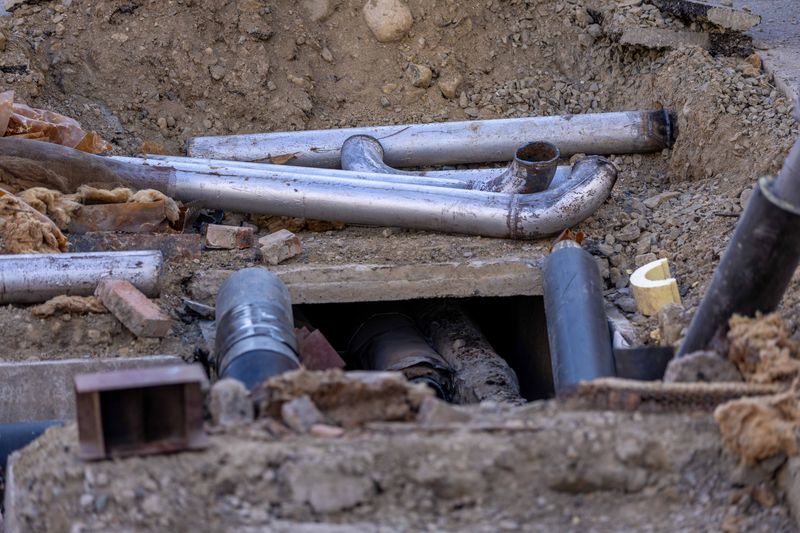
The pipes that carry wastewater away from a house are easy to forget until they back up. Slow drains in several fixtures at once, gurgling sounds from toilets, and foul odors near floor drains are common signs that a blockage is forming further down the line. When these problems are ignored, the result can be a sewage backup into the basement, which brings cleanup costs, damaged belongings, and health risks. Simple habits help a great deal. Keeping cooking grease out of the kitchen sink, using strainers to catch hair and food scraps, and avoiding flushing wipes all reduce strain on the system. For older properties, a camera inspection can reveal cracks or root intrusion while a repair is still small and manageable.
Electrical Warning Signs Worth Taking Seriously
Electrical problems carry both financial and safety risks, so they should never wait. Flickering lights, outlets that feel warm to the touch, scorch marks around switches, buzzing sounds, and breakers that trip again and again all suggest that something is wrong. Older panels may struggle to handle modern appliances, chargers, and devices, which can lead to overheating. Adding surge protection helps shield expensive electronics from sudden power spikes, while testing smoke and carbon monoxide alarms each season keeps the household protected. A periodic electrical inspection, especially in an older house or before a major renovation, confirms that wiring and panels can safely support how the property is used today.

Seasonal Habits That Protect the Whole House
Each season brings its own set of risks, and a short checklist for each one keeps small issues from building up. In the fall, it makes sense to test the furnace before the first cold night, check that sump pumps start properly, and disconnect garden hoses so outdoor spigots do not freeze. Winter calls for keeping the house warm enough to protect pipes, watching for ice near the foundation, and adding moisture to dry indoor air when needed. Spring is a good moment to check the basement for dampness after melting snow and heavy rain. Summer is the time to make sure air conditioning runs smoothly before the hottest weeks arrive. Following this rhythm turns upkeep into a routine rather than a reaction to emergencies.
Keeping Records That Make Future Decisions Easier
A simple record of past repairs, installation dates, and inspection results is one of the most useful tools a property owner can keep. Knowing the age of the water heater, furnace, or air conditioner makes it easier to plan for replacements before they fail, which allows time to save money and compare options without pressure. Notes on recurring problems also help a technician find the root cause faster. Receipts and warranty papers belong in the same file, since many parts and installations carry coverage that is easy to forget. In an urgent moment, knowing exactly where the main water shutoff sits can save a floor, a ceiling, and a great deal of stress.

Ellen is a busy mom of a 29-year-old son and 33-year-old daughter. She owns nine blogs and is addicted to social media. She believes that it doesn’t have to be difficult to lead a healthy life. She shares simple healthy living tips to show busy women how to lead fulfilling lives. If you’d like to work together, email info@confessionsofanover-workedmom.com to chat.
