
Last Updated on October 16, 2026 by Ellen Christian
You probably think a lot about what your family eats and drinks. But what about the air they breathe for most of the day?
Posts may be sponsored. This post contains affiliate links, which means I will make a commission at no extra cost to you should you click through and make a purchase. As an Amazon Associate I earn from qualifying purchases.
Most of us spend the majority of our time indoors. According to the U.S. Environmental Protection Agency, levels of some pollutants indoors can be two to five times higher than typical outdoor levels.
That can sound alarming, but the good news is that cleaner indoor air usually comes down to a handful of small, steady habits. You don’t need a whole-house renovation. You just need to know where the problems start and what to do about them.
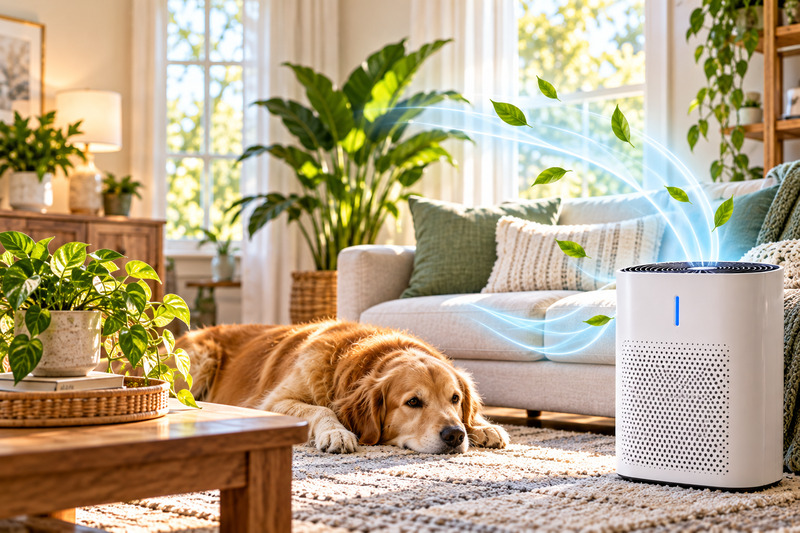
What’s Actually in Your Indoor Air?
Indoor air picks up a little bit of everything that happens in your home. Cooking, cleaning, pets, candles, and even new furniture all leave something behind.
Common culprits include:
- Dust and dust mites, which collect in bedding, carpets, and upholstery
- Pet dander, tiny flakes of skin that float easily and settle everywhere
- Pollen, which hitches a ride inside on clothes, shoes, and open windows
- Mold spores, especially in bathrooms, basements, and around leaky windows
- Volatile organic compounds (VOCs) from paints, air fresheners, cleaning sprays, and new furniture
- Smoke and cooking fumes, including fine particles from frying or searing on a gas stove
Because homes today are built to be energy efficient, they’re often sealed up tight. That’s great for your heating bill, but it also means these pollutants can linger longer than you’d expect.
Signs Your Home’s Air Could Use Some Help
Poor air quality doesn’t always announce itself. Still, a few clues are worth paying attention to.
You might notice dust building up quickly on surfaces, even right after you clean. Musty smells in certain rooms can point to hidden moisture or mold.
Condensation on windows during cooler months often means humidity is running high. And if family members tend to feel stuffy, sneezy, or tired at home but better once they’re out, the air inside may be part of the picture.
None of these signs is a diagnosis on its own. They’re simply a nudge to take a closer look.
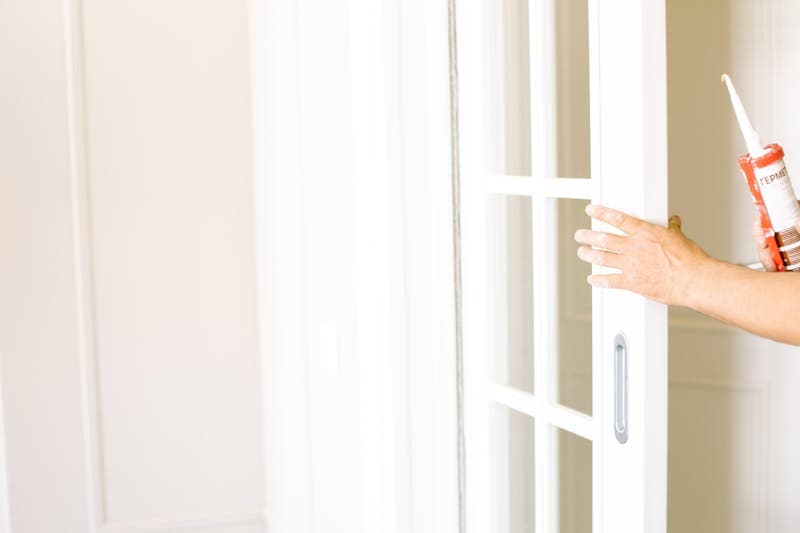
1. Let Fresh Air In (Strategically)
Ventilation is one of the easiest and least expensive ways to improve indoor air quality.
Opening windows for even 10 to 15 minutes a day can help flush out stale air. Cross-ventilation works best, so try opening windows on opposite sides of the house.
Timing matters, though. If pollen counts are high or there’s wildfire smoke in your area, keep the windows closed and rely on other methods instead.
Make a habit of using exhaust fans, too. Run the kitchen range hood every time you cook, not just when something burns. Turn on the bathroom fan during showers and leave it running for about 20 minutes afterward to clear out moisture.
2. Keep Humidity in the Sweet Spot
Humidity plays a bigger role in air quality than most people realize.
When the air is too damp, mold and dust mites thrive. When it’s too dry, noses and throats can feel scratchy and irritated.
The EPA recommends keeping indoor humidity between 30 and 50 percent. An inexpensive hygrometer from the hardware store will tell you exactly where your home stands.
If your basement or bathroom runs damp, a dehumidifier can make a noticeable difference. In winter, when furnaces dry everything out, a humidifier may help. Just be sure to clean it regularly so it doesn’t become a source of mold itself.
Fix leaks promptly, too. A slow drip under the sink can quietly feed a mold problem for months before anyone notices.
3. Rethink Your Cleaning Routine
Cleaning is supposed to make the air better, but some habits can actually stir things up.
A few simple swaps help:
- Dust with a damp microfiber cloth instead of a dry duster, which tends to push particles back into the air.
- Vacuum at least once or twice a week with a vacuum that has a sealed system and a HEPA filter, so fine dust stays trapped.
- Wash bedding weekly in hot water to keep dust mites in check.
- Choose fragrance-free or low-VOC cleaning products whenever possible.
You can also make simple cleaners at home. Diluted white vinegar, baking soda, and a little dish soap handle a surprising number of everyday messes without the strong fumes.
4. Be Choosy About What You Bring Inside
Many indoor pollutants come in through the front door, sometimes literally.
Set up a shoes-off policy at the entryway. Shoes track in dirt, pollen, and whatever else they picked up during the day. A sturdy doormat outside and a boot tray inside make the habit easier for everyone.
Take a second look at scented products as well. Plug-in air fresheners, heavily scented candles, and aerosol sprays can add VOCs to the air while only masking odors. If you love a cozy scent, try simmering cinnamon sticks and orange peels on the stove instead.
When buying new furniture, mattresses, or paint, look for low-VOC or certified low-emission labels. Letting new items air out in a garage or well-ventilated room for a few days can also help.
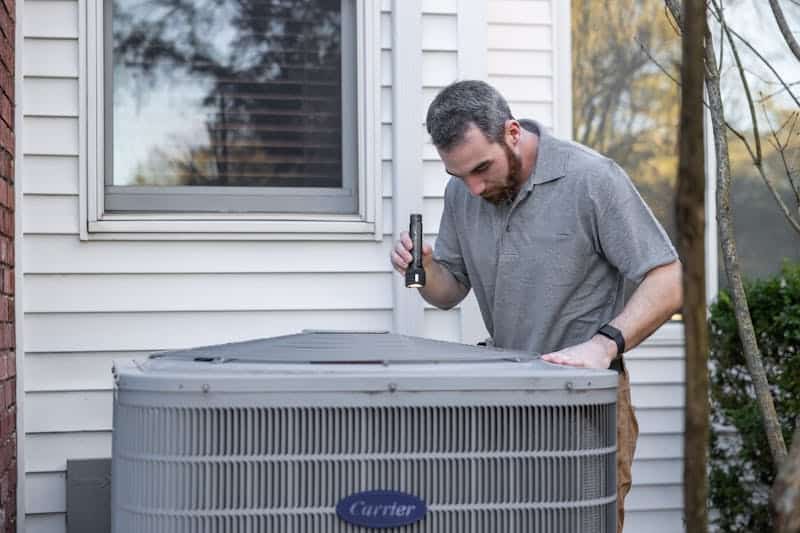
5. Change Your HVAC Filters on Schedule
Your heating and cooling system moves a lot of air through your home every day. If the filter is clogged, it can’t do its job.
Check your HVAC filter monthly and replace it every one to three months, depending on the filter type and your household. Homes with pets or allergy-prone family members usually need more frequent changes.
If your system allows it, consider upgrading to a higher-rated pleated filter. Check your system’s manual first, since some furnaces aren’t designed to handle very dense filters.
It’s also worth scheduling a professional HVAC check once a year. A technician can spot dirty coils, leaky ducts, or drainage problems that affect air quality.
6. Add an Air Purifier Where It Matters Most
Even with great habits, some particles will always be floating around. That’s where a portable air purifier can help fill the gap.
Start with the rooms your family uses most, like bedrooms and the main living area. Bedrooms are a smart first choice since everyone spends seven or more hours a night breathing that air.
When shopping, keep a few things in mind:
- Look for a true HEPA filter. HEPA filters are designed to capture very fine airborne particles like dust, dander, and pollen.
- Match the purifier to your room size. Check the recommended square footage or CADR (clean air delivery rate) so the unit can keep up.
- Consider activated carbon. A carbon filter helps with odors and some gases, which HEPA alone doesn’t address.
- Check filter replacement costs. A purifier only works well with a fresh filter, so factor that ongoing cost into your budget.
Brands like Medify Air offer purifiers in a range of sizes, from compact units for a small bedroom to larger models built for open-plan living spaces. The brand says its units use H13 or H14 HEPA filters paired with activated carbon, which makes them worth comparing if you’re trying to match a purifier to a specific room.
Place your purifier where air can flow freely around it, away from walls and furniture. Running it continuously on a lower setting is often more effective than blasting it for an hour and turning it off.
7. Bring in a Few Houseplants (With Realistic Expectations)
Houseplants are lovely, and many people find they make a home feel calmer and more welcoming.
That said, research suggests you’d need an enormous number of plants to meaningfully clean the air in a typical home. Think of them as a nice bonus rather than your main strategy.
If you do add plants, avoid overwatering. Soggy soil can encourage mold growth, which works against your goal.
8. Don’t Forget About Radon and Carbon Monoxide
Some of the most serious indoor air concerns are ones you can’t see or smell.
Radon is a naturally occurring radioactive gas that can seep into homes from the ground. The EPA lists it as the leading cause of lung cancer among nonsmokers. Testing is simple and inexpensive, and many home kits are available at hardware stores.
Carbon monoxide comes from fuel-burning appliances like furnaces, water heaters, gas stoves, and fireplaces. Install CO detectors on every level of your home and near sleeping areas, and test them along with your smoke alarms.
Small Steps, Fresher Air
Improving indoor air quality isn’t about doing everything at once. It’s about building a few simple habits that add up over time.
Pick one or two changes to start this week. Maybe that’s running the range hood every night or swapping out an overdue furnace filter. Once those feel routine, add another.
Your home should be the place where your family breathes easiest. With a little attention, it can be.

Ellen is a busy mom of a 29-year-old son and 33-year-old daughter. She owns nine blogs and is addicted to social media. She believes that it doesn’t have to be difficult to lead a healthy life. She shares simple healthy living tips to show busy women how to lead fulfilling lives. If you’d like to work together, email info@confessionsofanover-workedmom.com to chat.
