
Last Updated on October 16, 2026 by Ellen Christian
A freshly painted living room can make an old house feel new, but attractive walls won’t solve hidden moisture problems, poor insulation, or outdated electrical systems. Many homeowners spend thousands on cosmetic improvements while overlooking the structural and functional issues that influence everyday comfort.
Posts may be sponsored. This post contains affiliate links, which means I will make a commission at no extra cost to you should you click through and make a purchase. As an Amazon Associate I earn from qualifying purchases.
The most worthwhile home upgrades aren’t always the ones visitors notice immediately. Some protect the property from weather damage, others reduce maintenance expenses, and several make daily routines more convenient.
Choosing the right improvements requires looking beyond current design trends. Homeowners should consider the condition of existing systems, the cost of future repairs, and how long they intend to stay.
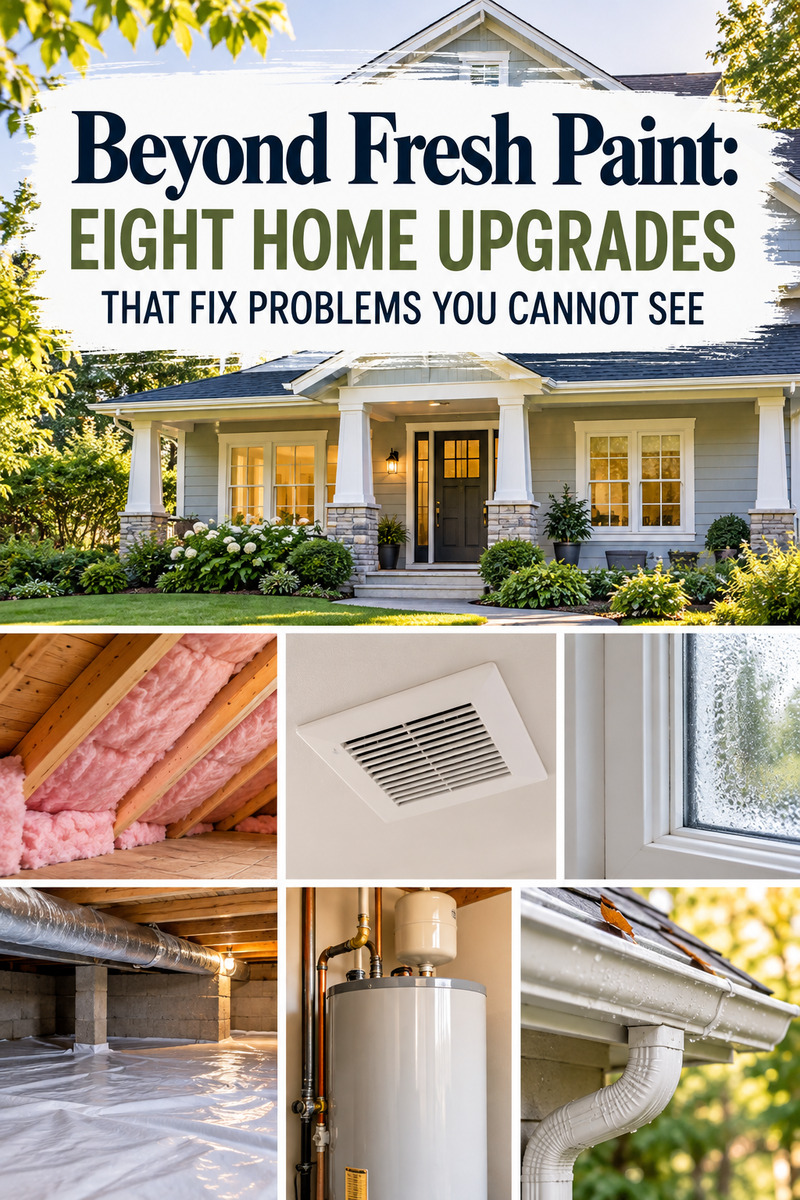
These eight upgrades can help create a more comfortable, dependable home without spending money on improvements that offer little practical benefit.
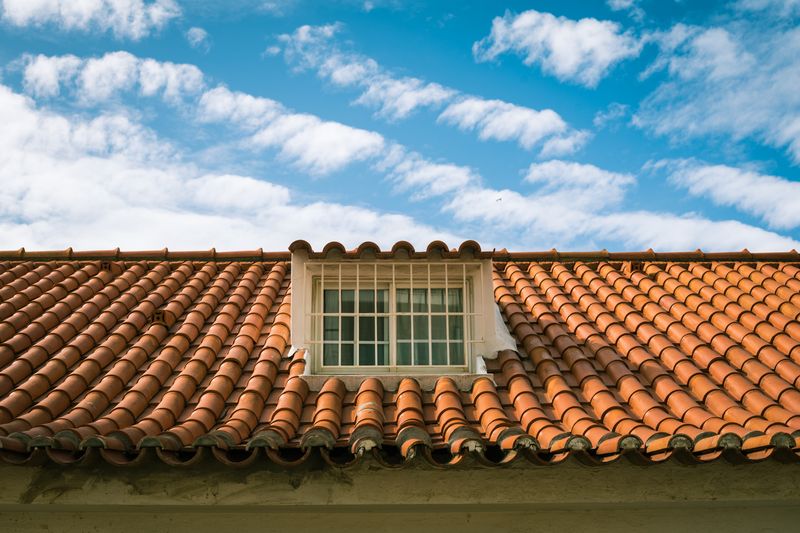
Start With the Roof Before Renovating the Rooms Below
A beautiful interior means little when water can enter through damaged roofing materials. Roof leaks may affect insulation, ceilings, electrical components, and structural framing before homeowners notice obvious warning signs.
Missing shingles, recurring attic moisture, and widespread material deterioration deserve professional attention.
For homes with extensive damage or roofing systems approaching the end of their useful lives, roof replacement may provide better long-term protection than repeatedly repairing isolated problems.
A professional assessment can determine whether the existing roof requires targeted repairs or a complete installation.
Material selection also matters. Asphalt shingles offer familiar styling and generally accessible pricing, while metal roofing can provide long service life when properly installed.
Homeowners should evaluate local weather conditions, roof design, warranties, and installation quality before making a decision.
Addressing roofing problems before interior renovations helps protect subsequent investments from preventable water damage.
Improve Insulation Where Temperature Problems Begin
A room that feels uncomfortable throughout the year may not need a larger heating or cooling system.
Poor insulation and uncontrolled air leakage can allow conditioned air to escape, making indoor temperatures difficult to maintain.
Attics, crawl spaces, and poorly sealed openings are common areas worth investigating.
Before adding insulation, homeowners should identify moisture problems and air leaks that need attention.
Sealing appropriate gaps around plumbing penetrations, attic openings, and other building connections can improve performance.
Insulation levels should reflect the home’s climate, construction, and applicable building requirements.
An energy assessment can help determine which improvements are likely to deliver meaningful benefits.
Better insulation may reduce heating and cooling demands while making rooms more comfortable.
However, ventilation and moisture management must remain part of the plan to avoid creating unintended problems.
Replace Inefficient Windows Without Ignoring Installation Quality
Old windows can contribute to drafts, unwanted heat transfer, and uncomfortable indoor temperatures.
However, replacing windows simply because they look outdated isn’t always financially justified.
Homeowners should first determine whether the problem involves damaged frames, failing seals, poor installation, or air leakage around the openings.
In some cases, weatherstripping and targeted repairs may provide adequate improvements.
When replacement makes sense, consider energy performance ratings, frame materials, glazing options, and local climate conditions.
Installation quality is just as important as product selection.
Poorly installed windows can allow moisture intrusion even when the units themselves are highly rated.
Proper flashing, sealing, and drainage details help protect surrounding walls.
Choose windows that address actual performance problems rather than focusing exclusively on appearance.
Upgrade Electrical Systems for Modern Household Demands
Many older homes were designed when households used fewer electrical devices.
Today, kitchens contain multiple high-powered appliances, home offices rely on electronic equipment, and some homeowners are installing electric vehicle chargers.
These changes can place additional demands on existing electrical infrastructure.
Frequent breaker trips, warm outlets, flickering lights, and damaged wiring may indicate problems requiring professional evaluation.
An electrician can assess the electrical panel, circuit capacity, grounding, and relevant safety requirements.
Upgrades may involve adding dedicated circuits, replacing deteriorated components, or improving protective devices.
Homeowners should avoid assuming that a larger electrical panel is always necessary.
The correct solution depends on the condition of the existing system and anticipated electrical loads.
Electrical improvements can support safer operation while preparing the property for future equipment.
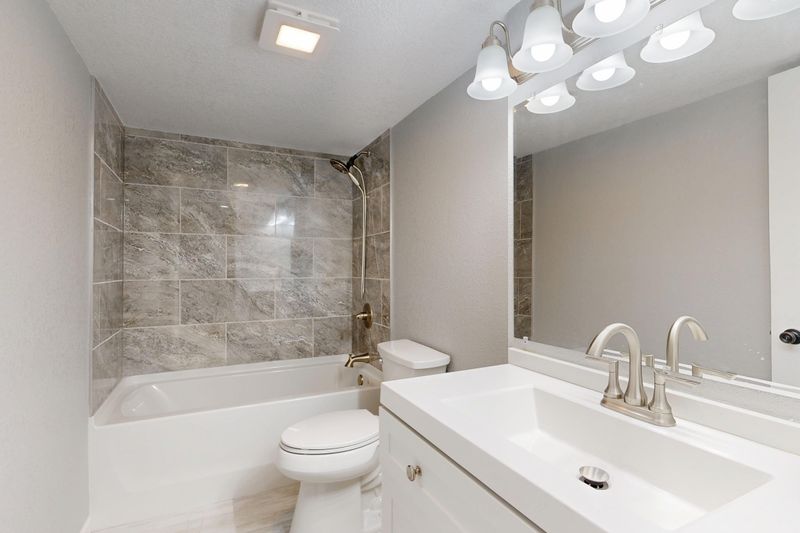
Make Bathrooms Safer Before Accessibility Becomes Urgent
Bathroom renovations often focus on decorative tile, modern fixtures, and attractive lighting.
However, practical improvements can make the space easier and safer to use for years.
Slippery surfaces, high bathtub edges, inadequate lighting, and limited maneuvering space can create difficulties for older adults and people with mobility limitations.
Consider slip-resistant flooring, accessible storage, improved lighting, and properly installed grab bars where appropriate.
A curbless shower may improve accessibility in some homes, although installation requires careful waterproofing and drainage planning.
Homeowners should also examine ventilation.
Excessive moisture can contribute to damaged finishes and mold growth.
An appropriately sized exhaust fan and reliable moisture control can help protect the bathroom.
Planning accessibility improvements during an ordinary renovation may reduce the need for disruptive modifications later.
Fix Drainage Problems Before Landscaping the Yard
Landscaping can dramatically improve curb appeal, but attractive plants won’t compensate for poor drainage.
Water collecting near foundations, overflowing gutters, and soil erosion can contribute to expensive property damage.
Before investing in patios, gardens, or decorative walkways, examine how rainwater moves around the house.
Gutters and downspouts should direct water away from vulnerable areas.
The surrounding ground should generally slope appropriately to discourage water accumulation near the foundation.
Persistent drainage problems may require professional assessment and additional solutions.
Depending on site conditions, improvements might involve grading adjustments, drainage systems, or repairs to existing infrastructure.
Avoid making changes that redirect runoff onto neighboring properties.
A well-planned landscape should support the home’s drainage needs rather than interfere with them.
Modernize the Kitchen Around Daily Habits
Kitchen upgrades can become expensive when homeowners prioritize fashionable finishes over practical needs.
Before replacing cabinets or countertops, consider how the household actually uses the space.
Limited preparation areas, poor lighting, inconvenient storage, and difficult traffic flow can make everyday cooking frustrating.
Improving these features may deliver greater benefits than installing premium materials.
Pull-out shelves, organized drawers, task lighting, and durable work surfaces can make existing layouts more functional.
Appliance replacements should consider reliability, efficiency, and appropriate capacity.
Not every kitchen requires a complete renovation.
Refinishing cabinets, updating hardware, or improving lighting may provide meaningful changes at a lower cost.
The most successful kitchen improvements address recurring frustrations rather than copying designs that don’t suit the household.
Prioritize Upgrades According to Risk and Long-Term Value
Home improvement budgets rarely cover every desired project at once.
A clear priority system can prevent homeowners from spending heavily on cosmetic changes while important repairs remain unfinished.
Start with safety concerns, active water intrusion, structural deterioration, and failing essential systems.
Next, consider improvements that support comfort, functionality, and manageable maintenance expenses.
Decorative upgrades can follow once the home’s fundamental needs are addressed.
Obtain detailed estimates and compare the scope of work rather than choosing contractors solely by price.
Allow room in the budget for unexpected conditions discovered during renovations.
Homeowners should also consider how long they expect to remain in the property.
An upgrade that improves daily living may be worthwhile even when it doesn’t produce an equivalent increase in resale value.
Ultimately, successful home improvement isn’t about replacing everything with newer materials.
It’s about understanding which changes solve meaningful problems and making those investments in the right order.
When protection, safety, efficiency, and comfort guide renovation decisions, homeowners can create lasting improvements that go well beyond appearance.

Ellen is a busy mom of a 29-year-old son and 33-year-old daughter. She owns nine blogs and is addicted to social media. She believes that it doesn’t have to be difficult to lead a healthy life. She shares simple healthy living tips to show busy women how to lead fulfilling lives. If you’d like to work together, email info@confessionsofanover-workedmom.com to chat.
