
Last Updated on September 25, 2026 by Ellen Christian
Picture a traveler in Vermont, months into planning a long-awaited Rome trip, imagining a quiet, almost reverent moment beneath Michelangelo’s famous ceiling. Then reality sets in: the Vatican Museums and Sistine Chapel attract visitors throughout the day, and turning up without a clear plan can make the experience far more stressful than expected.
Posts may be sponsored. This post contains affiliate links, which means I will make a commission at no extra cost to you should you click through and make a purchase. As an Amazon Associate I earn from qualifying purchases.
The Vatican Museums currently offer both standard and skip-the-line ticket options, with advance booking available through their official ticketing system. So, how can you make sure your visit feels like an experience rather than a battle with crowds and queues? Choosing the right ticket in advance can give you a clearer schedule and more time to focus on the art itself.
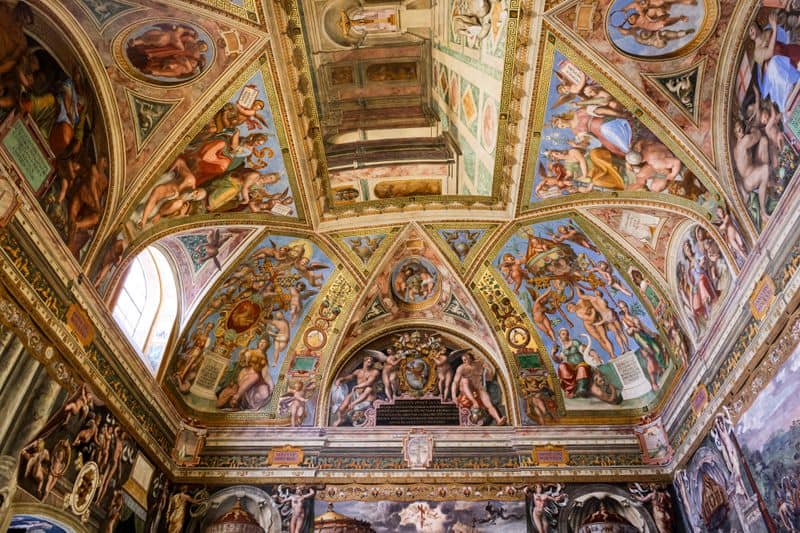
Just How Busy This One Room Actually Gets
It helps to understand the real scale of what a visitor is walking into. According to Religion News Service, an independent, nonprofit religion journalism outlet reporting from the Vatican, the Sistine Chapel receives between 17,000 and 20,000 visitors daily, with roughly seven million people passing through the space in a single recent year.
That figure matters because it explains something visitors don’t always expect, the sheer volume is so significant that the breath and body heat of daily crowds actually formed a residue on Michelangelo’s “Last Judgment” fresco, requiring an emergency restoration in 2026. Vatican Museums Director Barbara Jatta described the coating as “a sort of cataract” dulling the fresco’s original contrast and color.
Why This Changes How You Should Actually Plan the Visit
Knowing the scale of the Vatican Museums changes how you should approach the entire visit. The Sistine Chapel is part of a much larger museum itinerary, with the official Vatican Museums map showing visitors passing through galleries and major collections before reaching the chapel. That means it makes sense to plan for more than the final room alone.
Allowing enough time to move through the museums, taking breaks when needed, and choosing an entry time that fits the rest of your day can prevent the visit from becoming exhausting. The Vatican Museums themselves provide rest areas along the itinerary, reinforcing the importance of treating the experience as a substantial museum visit rather than a quick stop.
What Skip-the-Line Access Actually Changes
A handful of specific things genuinely improve once entry stops being a gamble:
- A confirmed entry window, replacing an open-ended wait with a specific time you can actually plan the rest of the day around
- More energy left for the visit itself, since standing in a long line before even reaching security is exhausting before the highlight of the trip even begins
- Freedom to move at your own pace once inside, rather than rushing to make up time lost waiting outside
- Priority access through security, heading straight into the Vatican Museums rather than joining the general queue
Together, these changes turn what could be an exhausting first hour into a genuinely calm, well-paced start to the visit.
Why Booking Ahead Genuinely Matters Here
Once your entry is organised, the bigger question becomes how much you can actually experience during your time inside. The Sistine Chapel is only one part of the Vatican Museums, and rushing through the surrounding galleries just to reach it can mean missing some of the collection’s most remarkable spaces.
Tickets&Tours gives visitors a way to plan that wider experience rather than treating the chapel as an isolated attraction. With Sistine Chapel tickets, visitors can combine priority entry with access to the Vatican Museums, including highlights such as the Gallery of Maps and Raphael Rooms. That makes the visit feel less like a quick stop to see Michelangelo’s ceiling and more like an opportunity to explore the artistic and historical context surrounding it.
RELATED: Tips for staying healthy while traveling
What You’re Actually Walking In to See
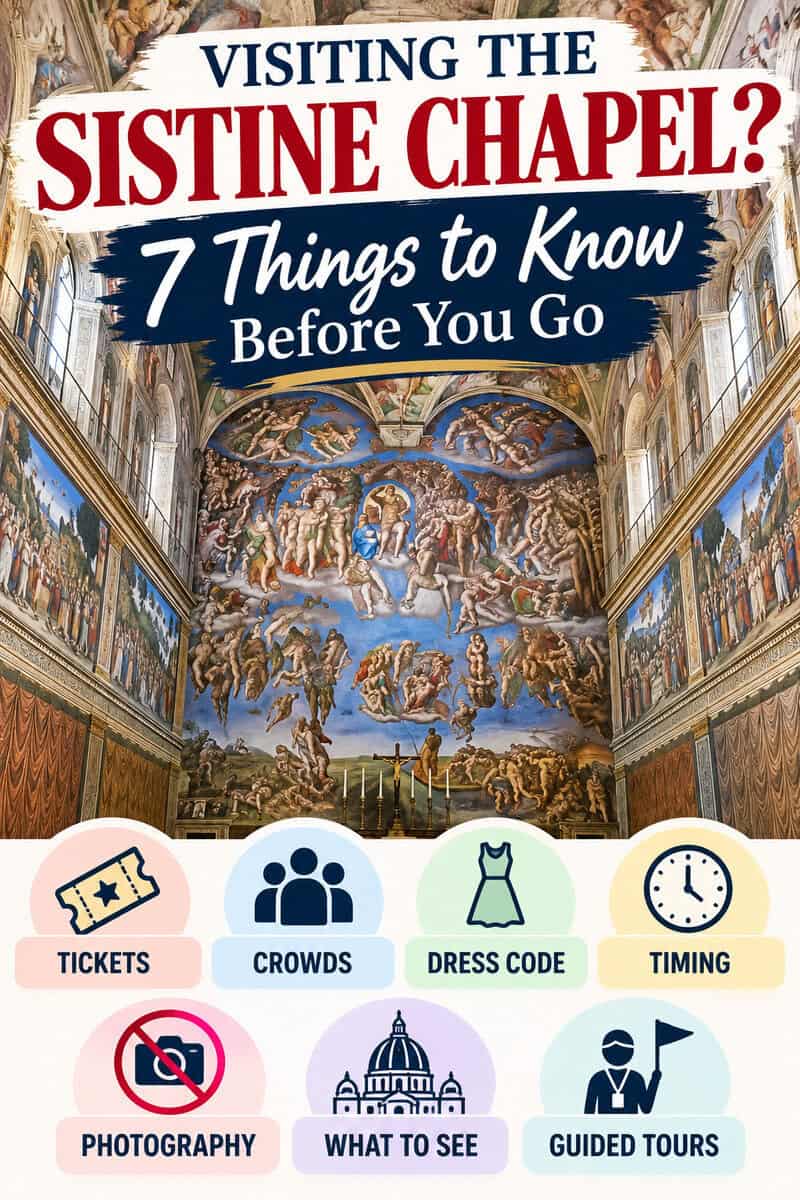
Knowing what awaits inside the Sistine Chapel helps visitors decide what deserves their attention once they enter. Michelangelo painted the famous ceiling between 1508 and 1512, creating nine central scenes from Genesis, including the instantly recognisable Creation of Adam. But the ceiling is only part of the experience.
On the altar wall, Michelangelo later created The Last Judgment between 1536 and 1541, filling the enormous composition with Christ, the Virgin Mary, saints, angels, the risen, and the damned. Taking a moment to understand these major works before entering can make it easier to look beyond the famous images and appreciate the sheer scale, detail, and complexity surrounding them.
Practical Details Worth Knowing Before You Go
A handful of specific details make the actual visit go more smoothly once you’re inside:
- Photography isn’t permitted inside the chapel, so plan to experience it without reaching for a phone
- Dress code applies throughout Vatican City, no shoulders, sleeveless tops, or shorts above the knee
- Plan for roughly 30 to 45 minutes to see the chapel’s key frescoes properly, longer if you’re taking in the full Vatican Museums route beforehand
- Early morning or fall visits, particularly September and October, tend to offer a noticeably calmer experience than peak midday hours in summer
None of these details are complicated on their own, but knowing them ahead of time means arriving prepared rather than adjusting on the fly once you’re already there.
Why Some Travelers Choose to Add a Guided Element
For travelers who want more than a quick look at Michelangelo’s masterpieces, adding a guided element can make the Sistine Chapel considerably more engaging. A knowledgeable guide can explain the biblical stories, symbolism, artistic choices, and historical context behind the frescoes, helping visitors notice details that may otherwise be easy to overlook.
The Vatican Museums themselves note that guided groups receive art-historical information before entering the chapel, where visitors are expected to remain silent. This is particularly useful for a work as complex as the Sistine Chapel, where understanding the context can change how you interpret what you are seeing. Instead of simply looking upward, you begin to understand the ideas and stories woven into the artwork.
Conclusion
Skip-the-line Sistine Chapel tickets can make a Rome trip much easier by removing the uncertainty of waiting and ticket availability. The Vatican Museums officially offer skip-the-line entry with advance booking, giving visitors a more predictable way to plan their visit.
More importantly, having that part of the day organised leaves you with more time and energy to appreciate the Sistine Chapel itself, from Michelangelo’s famous ceiling to the Last Judgement. When visiting one of Rome’s most remarkable artistic landmarks, a little planning can make the experience feel far more relaxed and rewarding.

Ellen is a busy mom of a 29-year-old son and 33-year-old daughter. She owns nine blogs and is addicted to social media. She believes that it doesn’t have to be difficult to lead a healthy life. She shares simple healthy living tips to show busy women how to lead fulfilling lives. If you’d like to work together, email info@confessionsofanover-workedmom.com to chat.
