
Last Updated on September 17, 2026 by Ellen Christian
Your home’s exterior does a lot of quiet work. It blocks rain, wind, humidity, pests, and the kind of summer heat that makes your siding feel like it’s auditioning for a survival show. In Chattanooga, where damp air and heavy rainfall are part of ordinary life, that outer layer works harder than most people realize.
Posts may be sponsored. This post contains affiliate links, which means I will make a commission at no extra cost to you should you click through and make a purchase. As an Amazon Associate I earn from qualifying purchases.
If you enjoy home decor and homemaking, curb appeal matters, but the surface look only tells part of the story. Sometimes a wall that seems merely faded or dated is actually signaling moisture problems, energy loss, or material failure that deserves a closer look.
Start With What You Can See From the Street
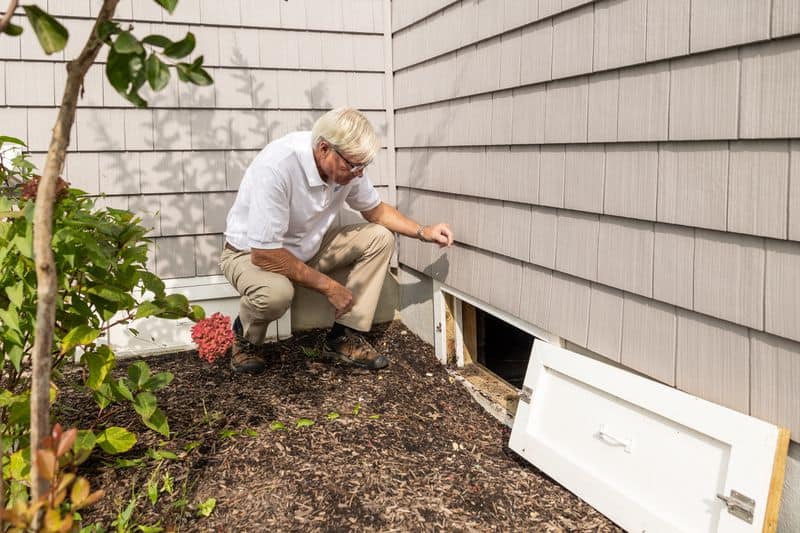
Your first clues usually show up before you touch a single wall. Stand across the street and look at your home like a buyer would. Do you notice warped boards, uneven lines, peeling paint, or sections that look washed out compared with the rest?
Check for Moisture Damage Before It Spreads
Water is patient, sneaky, and expensive. It often enters through tiny openings around seams, flashing, and caulked edges. You may not see the damage right away, but your walls are keeping score.
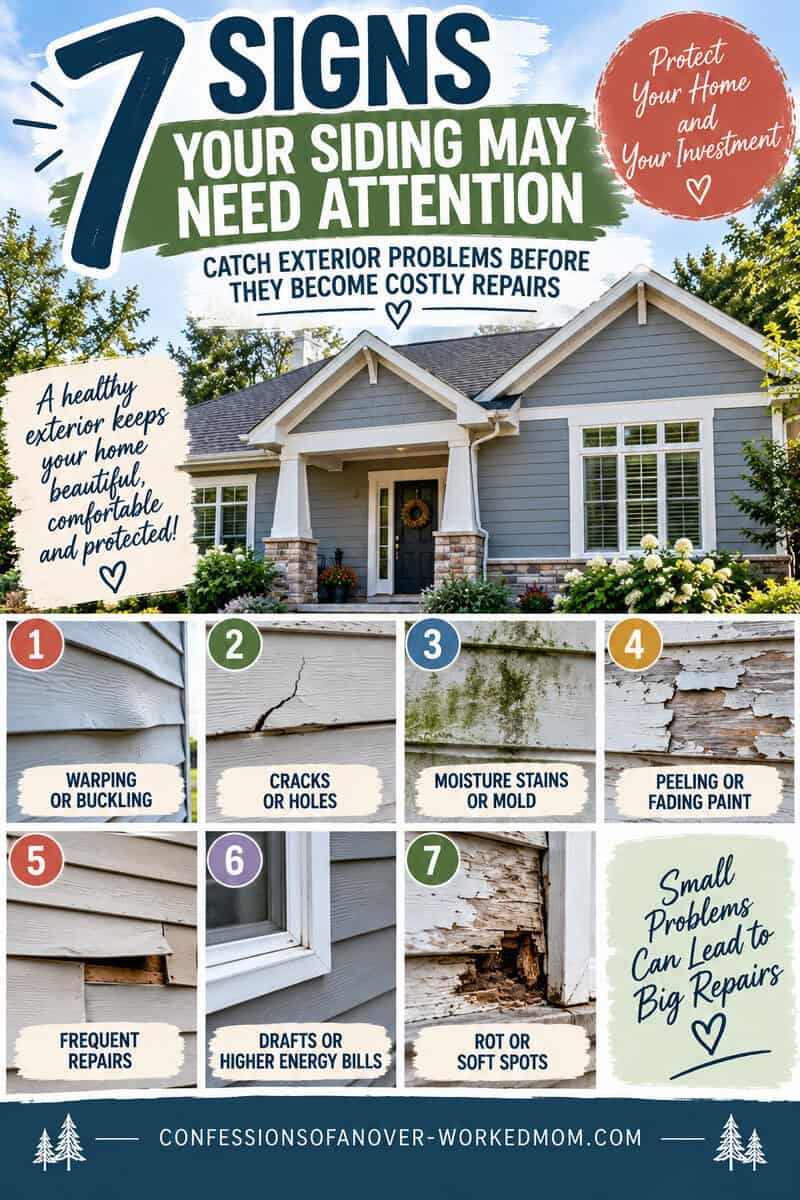
Walk around your house after heavy rain. Look for damp spots, discoloration, or dirt streaks running down the exterior. Inside, check the walls that line up with those outer sections. Peeling paint, musty smells, or soft drywall can point to a larger envelope problem.
Repeated trouble in one area rarely stays contained, and a quick patch usually buys less time than homeowners expect. Once the siding itself has cracked, warped, or lost its seal, it holds moisture against the wall instead of shedding it away from the house.
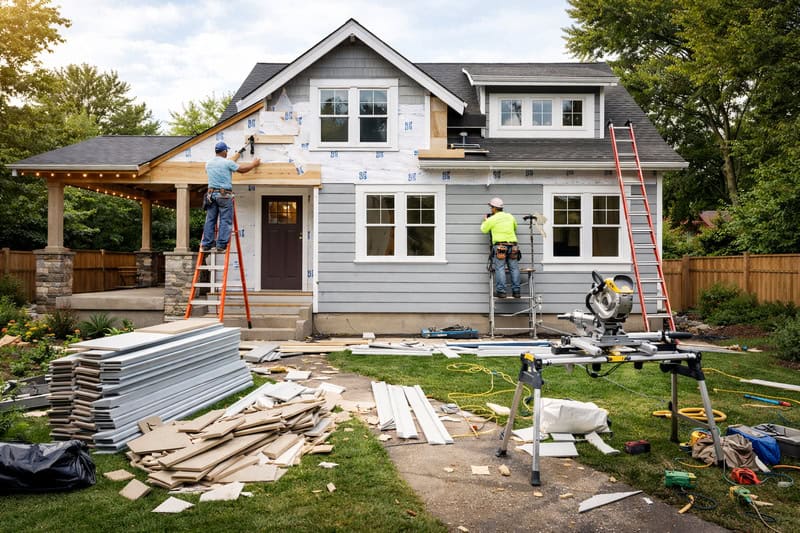
Fitting a fresh outer layer across the affected walls is the only step that treats the cause rather than the symptom. If you’re also in Chattanooga siding replacement is one of the most common procedures used to restore the barrier that keeps water out for good.
Notice When Repairs Keep Turning Into a Cycle
There’s a difference between maintenance and déjà vu. If you’re repainting, caulking, or patching the same exterior sections every year, your siding may be past the point where repairs are cost-effective.
A small crack can be fixed. A handful of loose panels can be secured. But repeated repairs often mean the underlying material has weakened across a larger area. You end up spending money to keep a failing system looking temporarily decent.
Ask yourself a few honest questions:
– Have you repaired the same wall more than once?
– Do new issues appear right after old ones are patched?
– Is paint failing faster than it used to?
– Are sections becoming brittle, soft, or uneven?
When the answer is yes to several of those, replacement becomes less of a dramatic leap and more of a budget reality. At some point, your house is basically asking for a long-term solution instead of another bandage.
Pay Attention to Energy Bills and Indoor Comfort
Your siding affects more than looks. It plays a role in your home’s thermal performance by helping protect the structure from air leaks and moisture intrusion. If exterior materials are damaged or poorly sealed, your HVAC system has to work harder.
You might notice:
– Rooms that feel hotter near exterior walls
– Drafts around windows even when they’re closed
– Higher heating or cooling bills without a clear reason
– Uneven temperatures between floors
No, siding doesn’t carry the whole insulation load by itself. Still, a compromised exterior can contribute to energy loss in a very real way. If your utility costs keep rising and you’ve already ruled out appliances or HVAC issues, your home’s outer shell deserves a close inspection.
This matters even more in climates with humid heat, sudden storms, and seasonal temperature swings. Those conditions stress joints, finishes, and older materials year after year.
Understand the Age and Material of What You Have
Not all siding ages the same way. Vinyl can crack or warp. Wood can rot, split, or attract insects. Fiber cement is durable but still vulnerable if installation or moisture management was poor. Aluminum can dent and fade. Each material has a different lifespan, maintenance pattern, and failure point.
If you bought your home several years after it was built, you may not know when the current exterior was installed. That date matters. Even a decent-looking façade can be nearing the end of its workable life.
It helps to gather a few facts:
– Approximate installation year
– Material type
– Past repairs or storm damage
– Areas with chronic shade or moisture
– Manufacturer warranty status, if available
Once you know what’s on your walls, you can make smarter choices. Home improvement gets easier when you stop guessing and start working from the actual condition of the materials.
Think About Resale, Maintenance, and Everyday Livability
Exterior updates affect daily life in ways that go beyond property value. Less upkeep means fewer weekends spent scraping, repainting, sealing, and wondering where that mystery stain came from. Newer siding options also tend to offer stronger color retention and better resistance to weather wear.
If you’re planning to sell within a few years, buyers notice exterior condition fast. Worn siding suggests hidden costs, even when the interior looks great. A clean, solid exterior gives the impression that the home has been cared for properly.
For your own household, the payoff is simpler. You get:
– Better curb appeal
– Lower maintenance demands
– Stronger weather protection
– Improved confidence after storm season
– A more finished, cohesive exterior design
That last point matters more than people admit. A house feels easier to enjoy when the outside doesn’t look one hard rain away from a complaint.
Know When to Bring in a Professional Opinion
You don’t need to become a building-envelope expert overnight. You do need to recognize when a professional inspection can save you from wasting money on the wrong fix. If damage is isolated, repair may be enough. If moisture has spread behind the cladding or multiple walls show wear, replacement may offer the better long-term return.
Try documenting what you see with photos from different seasons. Note any leaks, soft spots, or rising energy costs. That information helps when discussing options with a contractor.
A good assessment should look at more than color and style. It should consider:
– Structural condition beneath the siding
– Flashing and trim details
– Ventilation and moisture control
– Storm exposure history
– Compatibility with your home’s design
Smart exterior decisions aren’t about chasing trends. They’re about protecting your home, reducing repeat problems, and making sure the pretty part is backed by something solid.

Ellen is a busy mom of a 29-year-old son and 33-year-old daughter. She owns nine blogs and is addicted to social media. She believes that it doesn’t have to be difficult to lead a healthy life. She shares simple healthy living tips to show busy women how to lead fulfilling lives. If you’d like to work together, email info@confessionsofanover-workedmom.com to chat.
