
Last Updated on September 17, 2026 by Ellen Christian
Your bathroom gets used every single day, yet it’s often the room you ignore until something starts peeling, leaking, or looking painfully outdated. If you’re thinking about a remodel, you’re not just picking tile and hoping for the best. You’re making decisions that affect storage, comfort, cleaning, and home value. In a place like Chesapeake, where humidity and busy family living can wear materials down fast, smart planning matters more than glossy inspiration photos.
Posts may be sponsored. This post contains affiliate links, which means I will make a commission at no extra cost to you should you click through and make a purchase. As an Amazon Associate I earn from qualifying purchases.
Set a Budget That Includes the Unfun Stuff
Bathroom remodel budgets can go sideways quickly because people focus on visible finishes and forget the behind-the-wall costs. Plumbing updates, water damage repair, subfloor issues, and ventilation improvements aren’t flashy, but they can eat a chunk of your budget before the fun materials even arrive.
A solid remodel budget usually includes:
– Labor
– Materials
– Permits if needed
– Demolition and disposal
– A cushion for surprises, often 10% to 20%
If you live in an older home, surprises are less “maybe” and more “when.” That doesn’t mean you should panic. It means you should plan like someone who knows walls occasionally keep secrets.
If you’re considering bathroom remodeling Chesapeake, VA, has qualified local professionals who can help with everything from tub and shower upgrades to accessibility improvements, fixture replacements, and complete bathroom renovations.
Start With How You Actually Use the Space
Before you look at paint colors or trendy fixtures, pay attention to your daily routine. A bathroom used by two rushed adults needs different features than one shared by three kids who somehow leave water on every surface.
Make a short list of what annoys you now. It could include:
– Not enough counter space
– Poor lighting near the mirror
– A shower that feels cramped
– Storage that’s basically a drawer and a prayer
– Flooring that never seems fully clean
That list becomes the backbone of your remodel. It also helps you avoid spending money on upgrades that look good online but don’t improve real life. A freestanding tub may be beautiful, but if you never take baths and need more storage, that tub is just an expensive sculpture.
Choose Materials That Can Handle Moisture and Real Life
Bathrooms deal with steam, splashes, cleaning products, and constant use. That makes material selection more practical than dramatic. You want finishes that hold up without turning maintenance into a second job.
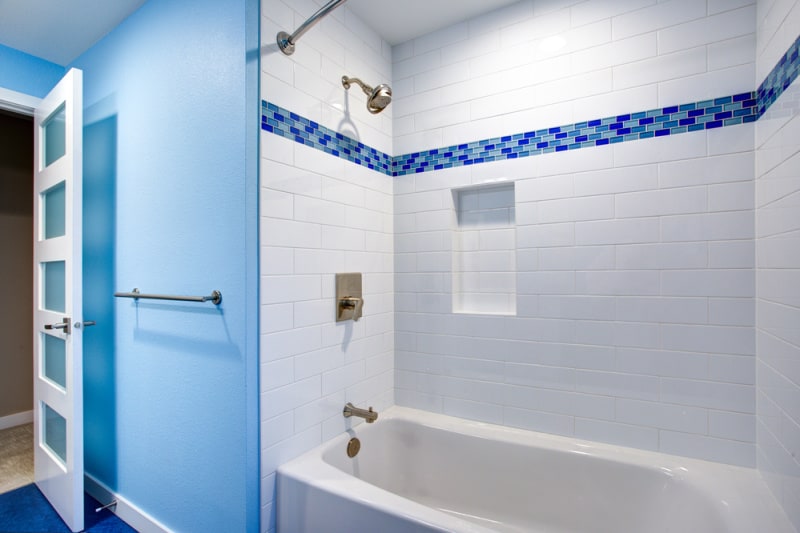
For flooring, porcelain tile is popular for good reason. It handles moisture well and comes in styles that mimic wood or stone without the same upkeep. For walls, mildew-resistant paint and properly sealed tile make a big difference.
Vanities also deserve more thought than people usually give them. A stylish vanity with poor storage can create clutter in under a week. Soft-close drawers, durable surfaces, and easy-to-clean hardware tend to age better than ultra-trendy designs.
If you have kids, pets, or anyone in your house who treats towels like confetti, prioritize materials that are tough, easy to wipe down, and less likely to show every water spot.
Lighting Can Fix More Than You Think
Bad bathroom lighting is wildly common. You’ve probably seen it: one overhead fixture casting shadows that make shaving harder and makeup application feel like a gamble. Good lighting improves function, mood, and even how clean the room feels.
Try to layer your lighting instead of relying on one source. A practical setup often includes:
– Ambient lighting for overall brightness
– Task lighting near the mirror
– Accent lighting if you want a more polished look
Sconces at eye level usually work better around mirrors than a single light above them. They reduce harsh shadows and make everyday tasks easier. Dimmer switches are also worth considering, especially if your bathroom doubles as a wake-up station at 6 a.m. and a wind-down space at night.
Natural light helps too, but privacy matters. Frosted windows or well-placed shades can give you sunlight without the awkward neighborhood trade-off.
Layout Decisions Matter More Than Decor
A bathroom can have expensive finishes and still feel awkward if the layout doesn’t work. The distance between the toilet, vanity, and shower affects how easy the room is to use, clean, and share.
If your space feels cramped, look for layout changes that improve flow rather than just appearance. Swapping a bulky vanity for a slimmer one, using a walk-in shower instead of a tub-shower combo, or adding recessed storage can create breathing room without changing the room’s footprint.
Think about door swing too. It’s not glamorous, but a door that crashes into a vanity or blocks movement gets old very fast. Pocket doors or outward-swinging doors sometimes solve that issue.
Accessibility also deserves a place in the conversation. Features like curbless showers, grab bar blocking behind walls, and wider clearances can make the space easier to use now and more adaptable later.
Ventilation Is Not Optional
You can have beautiful tile, fresh paint, and a fancy mirror, but if your bathroom traps humidity, moisture will eventually win. Poor ventilation leads to peeling paint, mildew, warped materials, and that unmistakable damp smell that no candle can defeat.
A proper exhaust fan should match the size of your bathroom and vent to the outside, not just into an attic. If your current fan sounds like a lawn mower and moves air like a sleepy desk fan, it may be time for an upgrade.
Ventilation helps protect:
– Paint and drywall
– Cabinets and trim
– Grout and caulk
– Indoor air quality
This matters even more in humid climates and in homes where several people use the bathroom back-to-back. One hot shower is relaxing. Four in a row can turn the room into a weather system.
Focus on Resale Without Losing Your Own Priorities
A bathroom remodel can boost home appeal, but you’re still the one living with the result. The best approach usually balances personal comfort with broad design choices that won’t confuse future buyers.
Neutral palettes, quality fixtures, and timeless materials tend to have lasting appeal. That doesn’t mean the room has to look bland. You can still add personality through mirrors, lighting, hardware, or wall color that can be updated more easily later.
If resale is important to you, ask yourself which upgrades buyers usually notice right away. Clean lines, good lighting, fresh surfaces, and smart storage often have more impact than niche luxury features.
A successful remodel should make the bathroom easier to use, easier to maintain, and better suited to your household. If it also looks sharp in listing photos someday, that’s a nice bonus. The goal isn’t perfection. It’s building a room that works hard, ages well, and no longer makes you sigh every morning.

Ellen is a busy mom of a 29-year-old son and 33-year-old daughter. She owns nine blogs and is addicted to social media. She believes that it doesn’t have to be difficult to lead a healthy life. She shares simple healthy living tips to show busy women how to lead fulfilling lives. If you’d like to work together, email info@confessionsofanover-workedmom.com to chat.
