
Last Updated on September 28, 2026 by Ellen Christian
Most lawn care advice online assumes a flat, fenced quarter-acre and a Saturday morning with nothing else on the calendar. Rural mowing looks different. A country property usually means more ground to cover, uneven terrain, a few obstacles nobody bothered to clear, and far less patience for spending an entire afternoon behind a mower when the garden and everything else on the property is also competing for attention.
Posts may be sponsored. This post contains affiliate links, which means I will make a commission at no extra cost to you should you click through and make a purchase. As an Amazon Associate I earn from qualifying purchases.
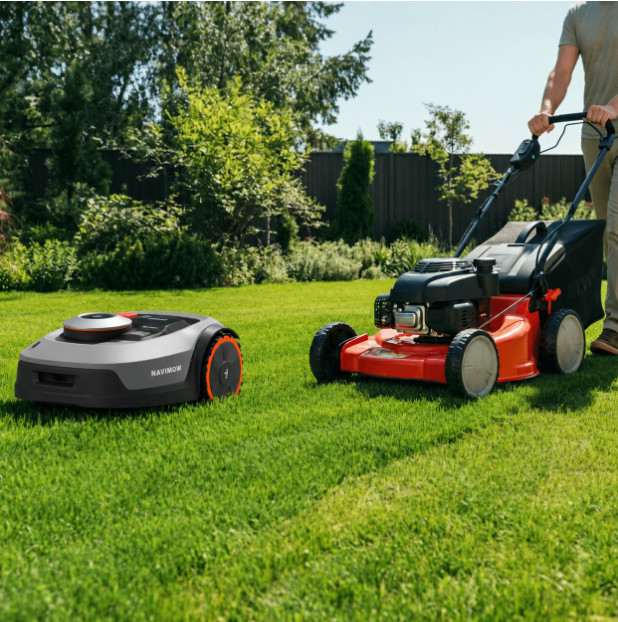
So when robot mowers started showing up as the next big yard upgrade, my first reaction wasn’t “convenient.” It was “does this hold up on land like mine?” I went looking for real numbers, and the answer turned out more nuanced than either side of the debate usually admits.
What Gas Mowers Cost You
A basic gas push mower runs $250 to $450, and self-propelled models climb to $600 or more. Once a yard stretches past an acre, a riding mower becomes the practical choice, starting around $1,800 and reaching $5,000 for a wider deck.
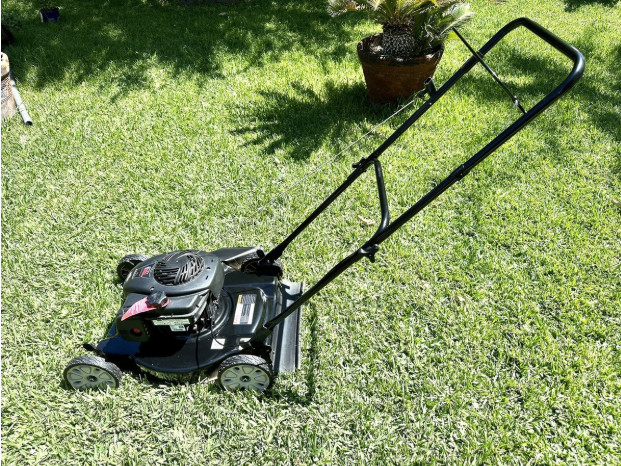
Annual upkeep adds $45 to $200 a year in oil changes, filters, blade sharpening, and the seasonal tune-up most small-engine shops recommend before the first cut of spring.
Fuel is its own line item. A seven-month mowing season on a mid-size lawn burns roughly 35 gallons of gas, coming out to around $100 at current prices, before counting oil or a carburetor cleaning down the road.
Then there’s the time cost. Mowing a lawn this size takes around 70 hours a season with a push mower. A riding mower cuts the total considerably, but still means a dedicated block of time every week during the growing season, plus the storage and off-season prep a gas engine needs to survive a Vermont winter it was never built for.
What Robot Mowers Offer
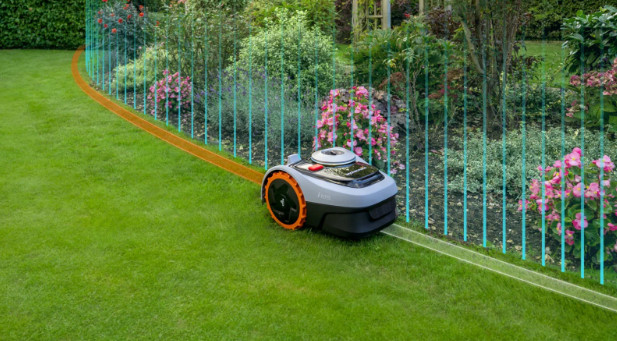
A robot mower maps the yard once, either by walking the perimeter in an app or letting the mower trace it, then handles the mowing itself in short scheduled sessions, without anyone standing over it.
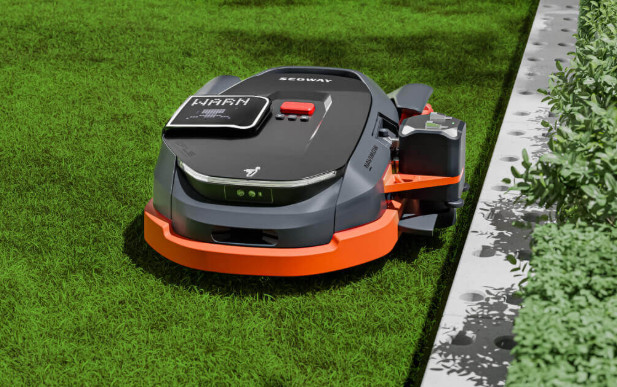
The Segway Navimow mowers are a useful example of how far the category has come. They use GPS-based mapping instead of the buried boundary wire older robot mowers relied on, so setup looks closer to placing a charging dock and drawing zones on a phone than digging trenches along the property line.
Pricing depends heavily on how much ground it covers. The entry-level wire-free robotic lawn mower, i306, handles an eighth of an acre for under $1,000. Larger models built for bigger, uneven lots, like X430, run $2,200 to $2,500 for roughly an acre of coverage, and the top of the range reaches up to $4,500 for two and a half acres.
Running costs are where the real gap opens up. Electricity for a robot mower averages $15 to $20 a year, against well over $100 in gas alone for a comparable lawn, plus oil and filters. Blade replacement every two to three months at $15 to $30 a set still leaves the annual cost far below a gas mower’s combined fuel and maintenance bill.
Where Robot Mowers Hit Their Limits on Rural Land
This is the piece mattering most for a country property. Slope handling varies significantly by model, and it’s a detail worth checking closely on land with any real grade.
Entry-level robot mowers max out around a 30% slope, which covers rolling ground but stops short of a steep bank. All-wheel-drive models built for bigger properties push closer to 45% to 80%, which covers most of what rural terrain throws at them, including root systems, stone edging, and the uneven patches that show up after a hard winter.
Coverage limits also carry more weight here than in a subdivision. A model rated for a quarter-acre won’t keep pace with three acres of open lawn, so sizing the mower to the actual mowed area, rather than the total property, is the detail people tend to skip.
Gas vs. Robot Mowers: Side-by-Side Comparison
| Gas Mower (push/riding) | Robot Mower | |
| Upfront cost | 250–5,000+ | 700–5,000 |
| Annual fuel/electricity | 30–100+ | 15–20 |
| Annual maintenance | 45–200 | 50–100 (blades, cleaning) |
| Weekly time investment | 1–3+ hours | Near zero, hands-off |
| Noise level | 95–100 dB | 58–75 dB |
| Slope handling | Limited by operator skill | 30% (entry) to 80% (AWD) |
| Coverage per unit | Deck width x operator speed | 0.125–2.5 acres, model dependent |
| Best suited for | Large acreage, rough clearing beyond lawn | Maintained lawn area, moderate to steep terrain |
These figures assume the mower runs at its rated capacity. A robot mower undersized for the property runs longer sessions more often and wears out faster than its rating suggests, so getting the sizing right matters more than chasing the lowest sticker price.
What Actually Makes Sense for a Country Property
Replacing a gas mower entirely rarely makes sense on true acreage. A back field or a wooded edge still needs a gas or battery trimmer for occasional brush clearing.
Where a robot mower changes things is the actual maintained lawn, the section closest to the house, cut every week regardless of season. A mower handling this section, while a gas mower or hired help covers the rougher edges of the property, is a more realistic split than expecting one machine to manage everything.
This split gets more significance once yard work stops being a weekend chore and starts eating into hours meant for the garden, the animals, or simply sitting outside without a task attached. It runs along the same lines as our low-effort landscaping ideas for families who want more backyard time, and it applies just as much to how the lawn itself gets managed.
Before You Switch, What to Check First
A few things are worth measuring before buying anything. Start with the actual mowed square footage rather than the deed acreage, since it determines which model fits. Check the slope of the steepest section cut regularly, since it alone rules out a lot of entry-level models. And confirm reliable WiFi or cell signal is reaching the yard, since GPS-based mowers depend on it for mapping and scheduling.
This kind of upgrade sits alongside other smart home improvements worth making for comfort and long-term value, and like most of them, it pays off best when sized to the property instead of bought off a spec sheet.

Final Thoughts
Neither mower wins outright on a country property. Gas still holds up for rough ground and very large acreage. But for the section of lawn mowed every week, the math on time, noise, and long-term cost tips toward the robot mower more often than expected going in. At minimum, measuring the actual lawn before deciding either way saves a costly mismatch later.

Ellen is a busy mom of a 29-year-old son and 33-year-old daughter. She owns nine blogs and is addicted to social media. She believes that it doesn’t have to be difficult to lead a healthy life. She shares simple healthy living tips to show busy women how to lead fulfilling lives. If you’d like to work together, email info@confessionsofanover-workedmom.com to chat.
