
Last Updated on August 1, 2026 by Ellen Christian
HIE is a serious birth injury that occurs when a baby’s brain does not receive enough oxygen and blood flow before, during, or shortly after delivery. This condition can lead to lifelong physical, developmental, and cognitive challenges depending on the severity of the brain injury. While some cases happen due to unavoidable medical complications, others may result from failures to provide proper medical care during childbirth.
Posts may be sponsored. This post contains affiliate links, which means I will make a commission at no extra cost to you should you click through and make a purchase. As an Amazon Associate I earn from qualifying purchases.
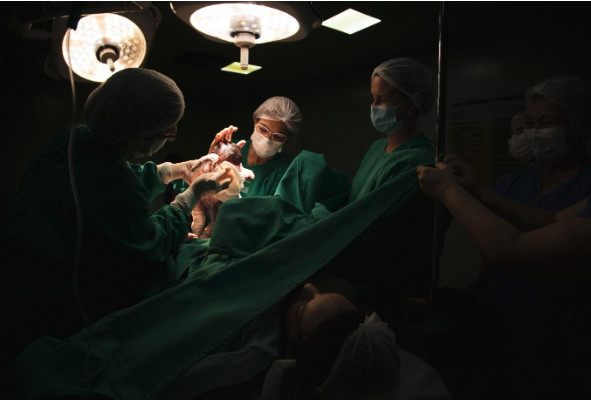
Parents who are learning about hypoxic-ischemic encephalopathy often have questions about what caused the condition and whether it could have been prevented. Understanding the connection between HIE and medical negligence can help families recognize when mistakes during pregnancy, labor, or delivery may have contributed to a child’s injury.
Childbirth requires healthcare providers to closely monitor both the mother and baby and respond quickly to signs of distress. Delays, communication failures, or improper medical decisions can sometimes reduce the baby’s oxygen supply and increase the risk of serious complications.
What Is HIE?
Hypoxic-ischemic encephalopathy (HIE) is a type of brain injury caused by a lack of oxygen (hypoxia) and reduced blood flow (ischemia) to the brain. The longer the brain is deprived of oxygen, the greater the chance of permanent damage.
HIE can range from mild to severe. Some babies recover with little to no long-term effects, while others may experience lifelong disabilities that require ongoing medical care and support.
Signs And Symptoms Of HIE In Newborns
Symptoms of HIE can appear immediately after birth or become more noticeable as a child develops.
Common signs in newborns include:
- Difficulty breathing
- Weak muscle tone
- Low heart rate
- Seizures
- Problems feeding
- Poor reflexes
- Unusual levels of sleepiness
As children grow, they may experience the following:
- Developmental delays
- Learning difficulties
- Problems with movement or coordination
- Speech delays
- Behavioral challenges
Early diagnosis and treatment are important for improving the child’s outcome.

Causes Of HIE During Childbirth
HIE can develop because of several complications that reduce oxygen delivery to the baby.
Common causes include:
- Umbilical cord problems
- Placental complications
- Prolonged labor
- Uterine rupture
- Severe maternal infections
- Excessive bleeding during delivery
Some of these situations are unpredictable, but healthcare teams are expected to identify warning signs and take appropriate actions to protect the baby.
How Medical Negligence May Contribute To HIE
Medical negligence occurs when a healthcare provider fails to meet the accepted standard of care, resulting in preventable harm.
Examples of potential negligence during childbirth include:
Failure To Monitor Fetal Distress
Doctors and nurses often use fetal monitoring to identify signs that a baby may not be receiving enough oxygen. Ignoring abnormal heart rate patterns or failing to respond appropriately can increase the risk of HIE.
Delayed Emergency C-Section
When a baby is in distress, an emergency cesarean section may be necessary to prevent oxygen deprivation. Unnecessary delays in performing the procedure may lead to serious brain injuries.
Improper Management of Labor Complications
Complications such as placental problems, umbilical cord compression, or excessive bleeding require immediate medical attention. Delays in diagnosis or treatment can put the baby at risk.
Medication Errors
Incorrect use of medications during labor may cause complications that affect the baby’s oxygen supply and overall health.
Diagnosing HIE
Doctors use several methods to diagnose HIE and determine its severity.
Diagnostic tools may include the following:
- Physical examinations
- MRI scans
- Brain activity monitoring
- Blood tests
- Evaluation of newborn reflexes and responses
An accurate diagnosis helps doctors create a treatment plan and estimate possible long-term effects.
Long-Term Effects Of HIE
The effects of HIE vary depending on how much damage occurred and how quickly treatment was provided.
Possible long-term complications include:
- Cerebral palsy
- Epilepsy
- Developmental delays
- Intellectual disabilities
- Vision or hearing problems
- Difficulty with movement and coordination
Some children may require lifelong therapies, specialized education, and medical assistance.

When HIE May Lead to a Medical Malpractice Claim
Not every HIE diagnosis means that medical negligence occurred. Some birth complications happen even when healthcare providers act appropriately.
However, families may consider investigating a medical malpractice claim if there are concerns about:
- Delayed responses to fetal distress
- Failure to monitor the mother or baby properly
- Errors during labor and delivery
- Failure to provide timely emergency treatment
Medical records, fetal monitoring strips, and expert evaluations are often reviewed to determine whether the injury could have been prevented. Deciding to meet with an attorney allows parents to gain clarity on these complex medical records without having to navigate legal standards alone during an already emotional time. An objective legal review helps distinguish between unavoidable medical outcomes and preventable birth injuries caused by a breach in the standard of care.
Supporting Families After An HIE Diagnosis
An HIE diagnosis can be emotionally and financially challenging for families. Children with severe injuries may require extensive medical treatment, therapy, and long-term support.
Early intervention programs, rehabilitation services, and ongoing medical care can help children reach their fullest potential and improve their quality of life.
Key Takeaways
- HIE is a brain injury caused by a lack of oxygen and blood flow to a baby’s brain.
- Symptoms can include breathing problems, seizures, feeding difficulties, and developmental delays.
- Causes of HIE may include umbilical cord issues, placental problems, and prolonged labor.
- Medical negligence may contribute to HIE if healthcare providers fail to respond appropriately to warning signs.
- Delayed C-sections, poor fetal monitoring, and treatment errors are examples of potential negligence.
- Not all HIE cases are preventable, but medical records can help determine whether proper care was provided.
- Early diagnosis, treatment, and therapy can improve a child’s long-term outcome.

Ellen is a busy mom of a 29-year-old son and 33-year-old daughter. She owns nine blogs and is addicted to social media. She believes that it doesn’t have to be difficult to lead a healthy life. She shares simple healthy living tips to show busy women how to lead fulfilling lives. If you’d like to work together, email info@confessionsofanover-workedmom.com to chat.
