Last Updated on June 17, 2026 by Ellen Christian
Healthcare no longer looks the way it did even five years ago. New technology, shifting patient expectations, workforce shortages, and expanding care models continue to reshape daily practice. Nurses who want to stay ahead must think beyond routine responsibilities and view their careers as evolving journeys. Adaptability, strategic skill development, and a clear understanding of industry trends now define long-term success.
Posts may be sponsored. This post contains affiliate links, which means I will make a commission at no extra cost to you should you click through and make a purchase. As an Amazon Associate I earn from qualifying purchases.
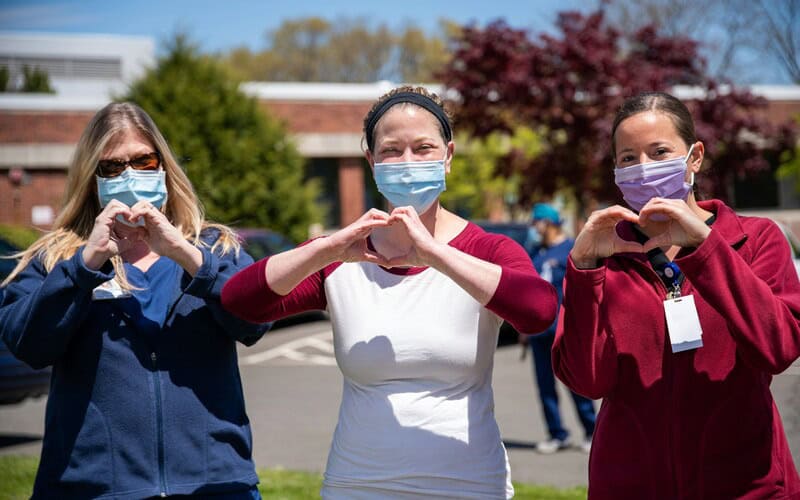
Ohio offers a strong example of this transformation in motion. The state is home to approximately 180,000 active licensed nurses, reflecting both the scale of opportunity and the responsibility carried by the workforce. Such numbers highlight the impact nurses have on patient outcomes, system efficiency, and community health. Success in this environment requires more than clinical competence. Forward thinking, leadership awareness, and professional growth must guide every stage of a nursing career.
Current Healthcare Shifts and the Nurse’s Role
Modern healthcare systems operate under increasing pressure. Patient populations are aging. Chronic conditions are more prevalent. Care delivery extends beyond hospital walls into outpatient centers, virtual platforms, and community settings. Expectations for safety, efficiency, and measurable outcomes continue to rise.
These shifts reshape daily responsibilities. Clinical judgment must align with data-driven protocols. Communication skills must bridge interdisciplinary teams and diverse patient populations. Leadership no longer belongs exclusively to administrators. Today, nursing in Ohio faces rising patient complexity, staffing shortages, and rapid innovation that demand adaptable skills and confident leadership. Nurses who anticipate these realities and strengthen their capabilities remain positioned for long-term relevance and impact.
Core Competencies for Future-Ready Nurses
Clinical expertise remains the foundation of nursing practice. Yet technical skill alone no longer guarantees career growth. Healthcare environments now require a broader range of competencies that support both patient care and organizational goals. Developing this multi-faceted skillset is especially critical for those preparing for work as a nurse practitioner, where clinical autonomy demands advanced diagnostic and leadership capabilities. Stepping into these advanced practice roles allows clinicians to directly shape care delivery while navigating the increasingly complex administrative and technical structures of modern medicine.
Critical thinking stands at the center of modern practice. Complex cases demand swift assessment and informed decision-making. Digital literacy follows closely behind. Electronic health records, telehealth systems, and data analytics tools require confidence and accuracy. Comfort with these technologies strengthens efficiency and patient safety. Communication shapes every interaction. Clear dialogue with physicians, therapists, administrators, and families ensures coordinated care. Cultural competence also plays a vital role. Diverse patient populations expect respectful, informed engagement.

Lifelong Learning and Professional Development
Professional growth does not end with licensure. Healthcare knowledge expands rapidly, and best practices evolve alongside new research. Continuous education protects both patient outcomes and career stability.
Advanced certifications signal expertise in specialized areas. Graduate degrees open doors to advanced practice roles, education, and administration. Workshops and professional seminars provide exposure to emerging topics and innovative care models. Commitment to learning strengthens confidence. Nurses who pursue development opportunities demonstrate initiative and curiosity. Employers value professionals who invest in expanding their capabilities. Career advancement often follows that investment. This dedication to higher clinical acumen is particularly visible in high-acuity specialties, where advanced nurse practitioners work side-by-side with specialized physicians. Building a strong foundation in these cutting-edge care models makes it significantly easier to navigate complex clinical networks and find cardiology work that truly maximizes your advanced training
Leadership and Influence Beyond the Bedside
Leadership takes many forms within nursing. Formal titles represent only one path. Every day influence often shapes team culture and patient experiences just as powerfully.
Charge nurses coordinate workflow and support staff. Educators guide new graduates through clinical transitions. Committee members contribute to policy discussions and quality improvement initiatives. Each role expands professional reach. Confidence grows when nurses recognize their capacity to lead. Strong leadership skills improve collaboration and accountability. Healthcare organizations benefit from professionals who speak up, propose solutions, and advocate for safe practice standards.
Technology and Innovation in Nursing Practice
Healthcare innovation continues at a steady pace. Digital documentation systems, remote monitoring tools, and artificial intelligence platforms influence daily routines. Comfort with technology now forms part of professional competence.
Electronic health records streamline information sharing. Telehealth expands access to care across distances. Data analytics support evidence-based decisions and performance measurement. Nurses who understand these tools enhance both efficiency and patient satisfaction. Openness to innovation strengthens adaptability. Curiosity encourages exploration of new workflows and digital solutions. Technical fluency reduces frustration and increases confidence in high-pressure situations.

Building Resilience and Managing Stress
Sustained success in nursing depends on mental and emotional endurance. High patient acuity, staffing shortages, and unpredictable schedules create constant pressure. Long-term performance requires intentional strategies that protect well-being.
Resilience begins with awareness. Recognizing early signs of fatigue, compassion strain, or emotional overload allows nurses to respond before burnout develops. Support systems strengthen that response. Peer conversations, mentorship relationships, and team debriefings create space to process difficult experiences. Healthy boundaries also matter. Clear communication about workload limits promotes safety for both staff and patients. Time away from work supports recovery and perspective.
Networking, Mentorship, and Professional Communities
Professional relationships shape career direction in powerful ways. Connections within healthcare settings often lead to new roles, committee invitations, or specialty training opportunities. Strong networks expand visibility and confidence.
Mentorship offers focused guidance. Experienced nurses provide insight into navigating complex environments, pursuing advanced education, and preparing for leadership roles. Honest feedback accelerates growth and sharpens decision-making skills. Professional associations also offer meaningful support. Conferences, online forums, and collaborative projects expose nurses to fresh perspectives and emerging trends. Engagement in these communities builds credibility and encourages knowledge sharing.
Navigating Career Pathways and Opportunities
Clear direction transforms ambition into measurable progress. Nursing offers diverse career paths, including specialty practice, advanced clinical roles, research, education, and administration. Strategic exploration helps nurses identify options that align with their strengths and interests.
Self-assessment provides a starting point. Identifying preferred patient populations, work environments, and long-term goals clarifies next steps. Conversations with supervisors or mentors often reveal opportunities that might otherwise remain unnoticed. Career advancement also involves timing. Gaining solid clinical experience before transitioning into specialized roles strengthens confidence and credibility. Preparation reduces uncertainty during major shifts. Flexibility remains essential. Healthcare systems evolve, and new roles continue to emerge. Nurses who stay informed about industry developments can pivot when promising opportunities arise.
Success in modern nursing extends beyond technical skill. Adaptability, continuous learning, leadership awareness, resilience, and strategic networking shape professional growth in meaningful ways. Change will continue to influence healthcare delivery, patient expectations, and workforce dynamics.
Nurses who remain curious, informed, and proactive position themselves ahead of shifting demands. Each step toward professional development strengthens both individual careers and the broader healthcare system. Redefining success means embracing growth as a constant companion. A forward-focused mindset ensures that nurses do more than keep pace with change. They help shape the future of care.

Ellen is a busy mom of a 29-year-old son and 33-year-old daughter. She owns nine blogs and is addicted to social media. She believes that it doesn’t have to be difficult to lead a healthy life. She shares simple healthy living tips to show busy women how to lead fulfilling lives. If you’d like to work together, email info@confessionsofanover-workedmom.com to chat.
