
Last Updated on September 17, 2026 by Ellen Christian
Your home decor can look polished, cozy, and perfectly put together, then one hidden plumbing problem decides to stage a messy takeover. Water stains, warped floors, peeling paint, and that suspicious musty smell can undo months of effort fast.
Posts may be sponsored. This post contains affiliate links, which means I will make a commission at no extra cost to you should you click through and make a purchase. As an Amazon Associate I earn from qualifying purchases.
If you live in a place like McMinnville, Oregon, where seasonal moisture shifts can affect homes in subtle ways, catching plumbing issues early matters more than most people realize. A sharp eye can save your style and your budget.

Watch for Small Cosmetic Changes That Point to Bigger Problems
A lot of plumbing trouble starts quietly. You may notice a tiny bubble in the paint, a baseboard that looks slightly swollen, or a patch on the ceiling that seems a shade darker than the rest. Those details are easy to brush off when you’re focused on furniture, storage, or wall color.
Still, cosmetic changes often act like an early warning system. Water rarely stays where it started. It travels behind drywall, under flooring, and along framing before it becomes obvious.
Don’t Ignore Outdoor Clues Around Your Foundation and Yard
People often focus on indoor damage first, but exterior signs can tell you even more. When a buried supply pipe starts failing, your yard may reveal the problem before your living room does. Soggy patches, unusually green grass in one section, or small depressions in the soil can point to an underground leak.
Older properties tend to sit on plumbing that has spent decades beneath the surface, and the ground around it rarely stays still. A failing water line rarely announces itself indoors first, which is why a slow crack underground can go unnoticed for weeks while the soil above it quietly gives way.
Once a leak reaches that stage, surface patching stops helping, and the repair has to happen below ground. Hire a company that specializes in water line repair in McMinnville, Oregon, and get the break traced before it reaches your foundation.
Keep an eye out for:
- Muddy spots that don’t dry normally
- Cracks near walkways or foundations
- Weak water pressure indoors
- Water pooling near the house
- A sudden spike in outdoor insect activity
Your landscaping should not look like it’s keeping secrets.
Learn the Difference Between Surface Moisture and Hidden Leaks
Not every water mark means disaster, but guessing can get expensive. Surface moisture usually has a clear cause, like steam from a shower, condensation on windows, or a spill that wasn’t fully dried. Hidden leaks behave differently. They return, spread, or leave damage that keeps getting worse.
A good example is a bathroom wall that keeps developing faint discoloration even after repainting. That usually means moisture is still moving through the material. The same goes for a vanity area where the floor looks dull or slightly lifted around the edges.
A few practical checks can help:
– Touch the area to see if it feels cool or damp
– Smell for mildew or a stale odor
– Check whether the mark grows after using plumbing fixtures
– Look underneath sinks with a flashlight
– Monitor your water bill for unexplained increases
If a symptom repeats, the issue probably sits deeper than the surface.
Check the Rooms Where Decor Often Hides the Problem
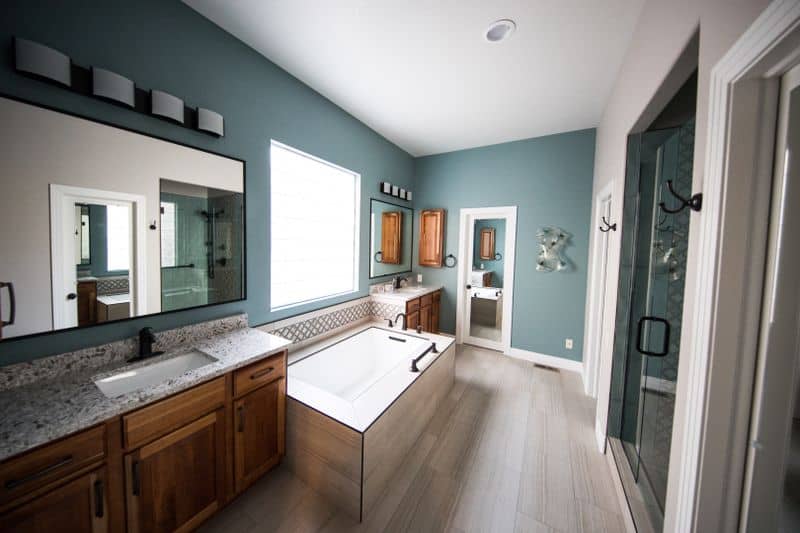
Some of the prettiest parts of a home are also the easiest places to miss plumbing trouble. Decorative baskets beside toilets, storage cabinets under sinks, layered rugs in laundry areas, and furniture placed against walls can hide leaks for weeks.
That’s frustrating, because these are the exact zones where moisture tends to build up first. A styled bathroom can still have a slow drip behind the vanity. A neat laundry nook can conceal a washing machine hose that’s wearing out. Even a guest room can develop damage if it shares a wall with plumbing lines.
Make quick inspections part of your routine:
– Move rugs and check the floor underneath
– Open sink cabinets once a week
– Look behind toilets for moisture or corrosion
– Pull furniture slightly away from shared plumbing walls
– Inspect washing machine connections monthly
Good decor should frame your home, not cover up an expensive surprise.
Use Smell, Sound, and Routine Behavior as Diagnostic Tools
You don’t need professional equipment to notice that something feels off. Homes have patterns. Once you know what yours normally sounds and smells like, small changes become easier to catch.
For example, if you hear water running when no fixture is on, that deserves attention. If a room starts smelling earthy, stale, or mildly sour, moisture may be trapped somewhere out of sight. Even behavior changes in materials matter. A door that suddenly sticks near a bathroom could point to swelling from humidity or leakage.
Useful sensory clues include:
– Hissing or dripping sounds inside walls
– Musty smells in closed rooms
– Sudden drops in water pressure
– Fixtures that sputter unexpectedly
– Recurring mold in the same spot
These signs may seem minor alone. Together, they form a pattern. Plumbing problems rarely arrive with a drumroll. They prefer sneaking in through the side door.

Know When a Quick Fix Stops Being Smart
It’s tempting to patch, repaint, caulk, and move on. Sometimes that works for minor wear. It does not work when the actual issue involves an active leak, pipe corrosion, or a damaged water line. Cosmetic repairs can make a room look better while the structure underneath keeps getting worse.
A practical rule helps here: if you’ve fixed the same symptom twice, stop treating it like a surface issue. Repeated staining, recurring mold, or flooring damage that returns after cleaning usually points to a larger plumbing problem.
You can handle basic prevention by:
– Keeping humidity under control
– Replacing worn supply hoses
– Sealing around tubs and sinks
– Watching your water bill closely
– Scheduling professional help when signs persist
Protecting your decor means protecting the systems behind it. Paint colors, tile choices, and cozy accents all depend on what’s happening inside the walls and under the ground. Spot trouble early, act before damage spreads, and your home has a much better chance of staying both functional and beautiful.

Ellen is a busy mom of a 29-year-old son and 33-year-old daughter. She owns nine blogs and is addicted to social media. She believes that it doesn’t have to be difficult to lead a healthy life. She shares simple healthy living tips to show busy women how to lead fulfilling lives. If you’d like to work together, email info@confessionsofanover-workedmom.com to chat.
