
Last Updated on August 10, 2026 by Ellen Christian
Plumbing leaks can start with something as small as a loose fitting or worn-out seal. If the problem is ignored, even a slow drip can damage walls, floors, ceilings, and other parts of your home. Knowing what causes plumbing leaks can help you spot problems early and avoid more expensive repairs.
Posts may be sponsored. This post contains affiliate links, which means I will make a commission at no extra cost to you should you click through and make a purchase. As an Amazon Associate I earn from qualifying purchases.
Some leaks are easy to find because you can see water under a sink or around a toilet. Others can stay hidden behind walls, beneath floors, or inside ceilings for weeks or even months. Honestly, learning the common causes can make it much easier to know when something isn’t right.
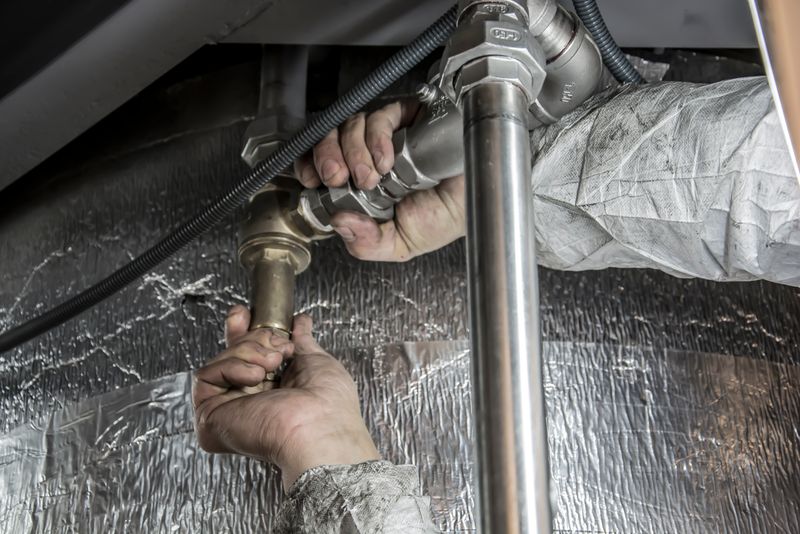
What Causes Plumbing Leaks?
Plumbing leaks usually happen when pipes, connections, seals, or fixtures become damaged or worn out. Age, water pressure, temperature changes, clogs, and poor installation can all put stress on your plumbing system. A small problem may seem harmless at first, but it can slowly turn into serious water damage.
Some plumbing leaks also happen because of issues you can’t see right away. A pipe inside a wall may develop a small crack, or a connection under the floor may begin to loosen over time. That’s why unexplained moisture, stains, musty smells, or higher water bills shouldn’t be brushed aside.
1. Corroded or Rusted Pipes
Older metal pipes can corrode when they’re exposed to water and other materials over many years. As corrosion gets worse, the pipe wall becomes weaker and small holes may develop. Rust-colored water, stains, or damp spots can sometimes point to this problem.
2. Loose Pipe Connections
Pipe connections can loosen because of normal wear, vibration, or movement in the plumbing system. This is common around sinks, toilets, water heaters, and other fixtures with several connected parts. Even a small drip at a joint can cause moisture damage if it continues for a long time.
3. High Water Pressure
High water pressure can place extra stress on pipes, valves, and fittings throughout your home. Over time, that pressure can cause weak connections to fail or damaged pipes to leak. If your faucets make loud noises or your plumbing fixtures seem unusually forceful, it’s worth having the pressure checked.
4. Clogged Drains and Pipes
A clogged drain can restrict the normal flow of water and increase pressure inside the plumbing system. Hair, grease, food scraps, and other debris are common causes of clogs. If a drain keeps backing up, don’t keep forcing water through it because the added pressure can contribute to plumbing problems.
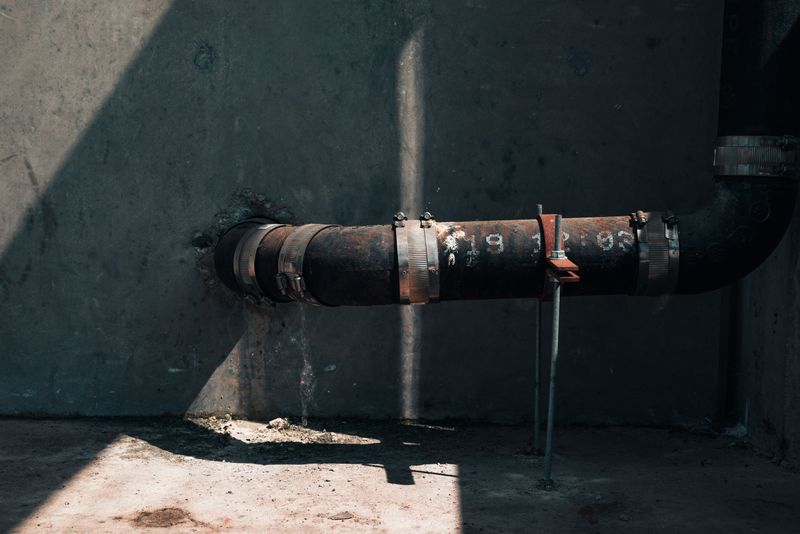
5. Frozen or Rapidly Changing Temperatures
Freezing temperatures can cause water inside pipes to expand, creating pressure that may crack the pipe. Pipes in exterior walls, garages, crawl spaces, and other poorly insulated areas can be especially vulnerable. When temperatures change quickly, damaged pipes may eventually leak or burst.
6. Worn-Out Seals and Gaskets
Seals and gaskets help keep water from escaping around faucets, toilets, showers, and pipe connections. These small parts can become brittle, cracked, or worn down as they age. Replacing a damaged seal early is usually much easier than dealing with the water damage caused by a larger leak.
7. Tree Root Intrusion
Tree roots naturally grow toward sources of water, which can sometimes lead them toward underground plumbing lines. If a pipe already has a small crack, roots can enter the opening and make the damage worse. Slow drains, repeated clogs, or unusually wet areas in your yard may be signs of a damaged underground pipe.
8. Damaged or Cracked Pipes
Pipes can crack because of age, corrosion, shifting soil, impact, or pressure inside the system. A damaged pipe hidden behind a wall can release water into areas you can’t easily inspect. If you notice unexplained stains, damp drywall, or water pooling in unusual places, the source may be a hidden pipe leak.
9. Poor Plumbing Installation
Plumbing that wasn’t installed correctly can develop problems much sooner than expected. Poor connections, incorrect pipe alignment, or unsuitable materials can create weak points where water eventually escapes. If a leak keeps returning after a repair, the original installation or connection may need to be inspected.
10. Aging Plumbing Systems
Like many parts of a home, plumbing systems wear down as they get older. Pipes, valves, fittings, seals, and fixtures may become weaker after years of regular use. If your home has older plumbing, regular inspections can help catch small problems before they become major leaks.
What Are the Signs of a Plumbing Leak?
Not every plumbing leak leaves a visible puddle on the floor. Water stains on ceilings or walls, peeling paint, warped flooring, musty odors, and mold growth can all point to hidden moisture. You may also notice low water pressure, dripping sounds, or an unexplained increase in your water bill.
Pay close attention to areas around sinks, toilets, appliances, and exposed pipes. If something feels damp when it should be dry, it’s worth investigating. Catching a leak early can help prevent more serious water damage and reduce the cost of repairs.
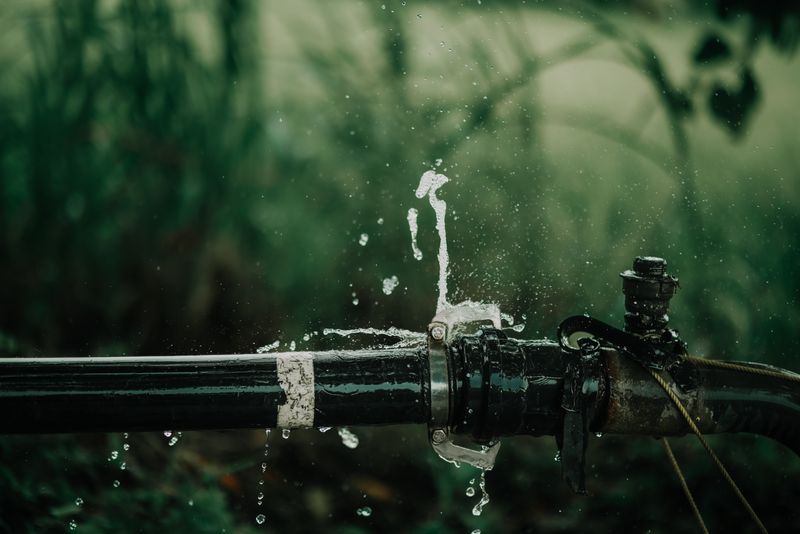
How Can You Prevent Plumbing Leaks?
Regular maintenance can go a long way toward preventing plumbing leaks. Check exposed pipes, supply lines, faucets, and connections for signs of rust, moisture, cracks, or wear. It’s also smart to monitor water pressure, protect vulnerable pipes from freezing, and deal with small leaks as soon as you notice them.
Avoid putting grease, large amounts of food, or inappropriate items down your drains. Keep an eye on older plumbing and consider having it inspected if you’re seeing repeated problems. And make sure everyone in your household knows where the main water shutoff valve is located.
What Should You Do If You Discover a Plumbing Leak?
Start by shutting off the water if the leak is large or continues to spread. Move furniture and other belongings away from the affected area, then contact a qualified plumber to find and repair the source. If water has already soaked walls, floors, ceilings, or other materials, you’ll also need to dry the area quickly to limit further damage.
Don’t ignore a small leak just because the water seems manageable. Moisture can remain trapped behind walls or beneath flooring, creating conditions for mold and structural damage. If the leak has caused significant water intrusion, a qualified water damage restoration professional can help dry and restore the affected areas.
Final Thoughts on What Causes Plumbing Leaks
Plumbing leaks can be caused by many things, including corrosion, high water pressure, clogged drains, damaged pipes, loose connections, freezing temperatures, and aging plumbing. Some problems are obvious, while others stay hidden until they cause noticeable damage. That’s why regular checks and quick repairs are so important.
If you notice damp spots, stains, strange plumbing sounds, or an unexpected increase in your water bill, don’t wait too long to investigate. Finding and fixing the source early can protect your home from water damage and mold growth. When a leak is serious or difficult to locate, getting professional help is usually the safest choice.

Ellen is a busy mom of a 29-year-old son and 33-year-old daughter. She owns nine blogs and is addicted to social media. She believes that it doesn’t have to be difficult to lead a healthy life. She shares simple healthy living tips to show busy women how to lead fulfilling lives. If you’d like to work together, email info@confessionsofanover-workedmom.com to chat.
