
Last Updated on September 17, 2026 by Ellen Christian
The Great Smoky Mountains have a reputation for misty ridges, peaceful cabins, scenic drives, and quiet forest walks. But travelers who prefer their vacations with a little more adrenaline can experience an entirely different side of this famous mountain region. Rivers cut through rugged terrain, trails climb toward high-elevation views, waterfalls hide deep in forests, and winding mountain roads lead to adventures that can fill days without feeling repetitive.
Posts may be sponsored. This post contains affiliate links, which means I will make a commission at no extra cost to you should you click through and make a purchase. As an Amazon Associate I earn from qualifying purchases.
What makes the Smokies particularly appealing is the range of experiences available. Adventure does not have to mean committing to a weeklong backcountry expedition. Visitors can challenge themselves on rushing water in the morning, hike through the forest in the afternoon, and return to comfortable accommodations that evening. Here is why the region deserves serious consideration from travelers who would rather participate in the landscape than simply admire it.
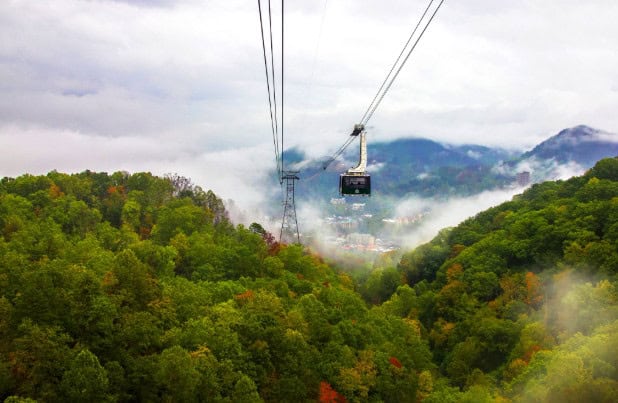
The Pigeon River Delivers a Real Whitewater Challenge
Water adds a completely different kind of excitement to a mountain vacation. For travelers who want to experience the landscape from inside the action, Smoky Mountain white water rafting provides a chance to trade scenic overlooks for waves, drops, rocks, teamwork, and plenty of splashing.
Smoky Mountain Outdoors offers an Upper Pigeon River trip lasting roughly 1.5 to 2 hours and running through around 70 rapids ranging from Class I to Class IV.
Its guided experience requires no previous rafting experience, with participants generally needing to be at least eight years old or weigh at least 70 pounds.
The appeal goes beyond adrenaline. Rafting places travelers directly within the mountain environment, where the river determines the pace and every bend brings a different challenge.
Hiking Can Be as Gentle or Demanding as You Want
The Smokies offer hundreds of miles of trails, making hiking one of the easiest ways to customize an adventure according to fitness, experience, and available time.
A traveler looking for a manageable outing can choose a shorter waterfall walk or forest trail. More ambitious hikers can tackle routes involving sustained climbs, rocky terrain, and significant elevation changes. Experienced backpackers can turn the same landscape into a multiday wilderness experience.
That variety also allows people to progress during a vacation. Someone relatively new to hiking might begin with an easy trail before attempting a longer route later in the trip.
Whatever the difficulty, preparation matters. Carry water, wear appropriate footwear, check conditions before leaving, and avoid assuming that a relatively short trail will automatically be easy. Mountain terrain can make distance deceptive.
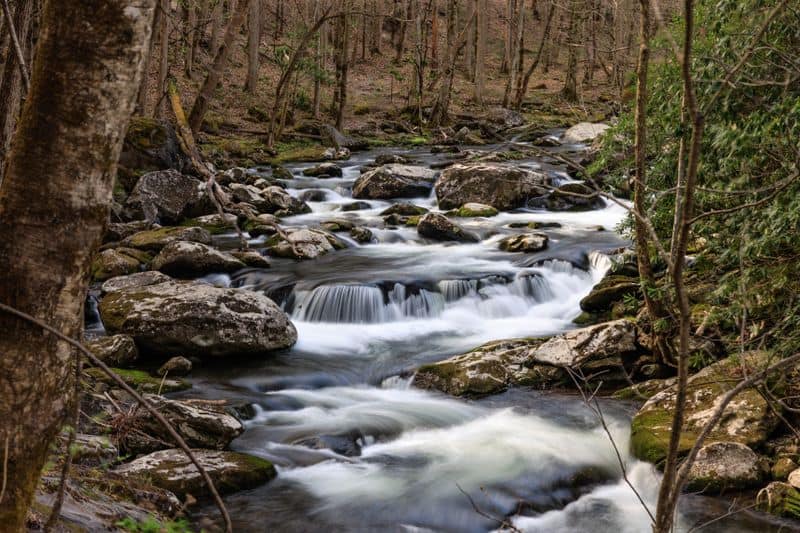
Waterfalls Make the Journey Part of the Reward
A waterfall provides adventure travelers with something useful: a destination worth working toward. Instead of hiking simply to accumulate miles, you have a natural landmark waiting at the end of the trail.
The Smokies contain numerous cascades and waterfalls reached through forests, beside streams, and across changing terrain. Some require relatively short walks, while others demand longer hikes.
The experience often matters as much as the waterfall itself. Trails can pass wildflowers, old-growth trees, footbridges, rock formations, and remnants of historic mountain communities before the sound of falling water becomes noticeable.
Visitors should resist the temptation to climb wet rocks around waterfalls for photographs. Slippery surfaces and strong currents can turn an adventurous moment dangerous very quickly. Enjoying wild landscapes still requires respecting what makes them wild.
Mountain Biking Adds Speed to the Scenery
Adventure does not always have to happen on foot. The broader Smoky Mountain region provides opportunities for cyclists to experience East Tennessee’s hills and forests at a faster pace.
Mountain biking brings its own combination of physical challenge and concentration. Riders have to read terrain, control speed, manage climbs, and react quickly to changing trail conditions. That creates a very different relationship with the landscape than hiking.
Beginners should choose trails suited to their abilities rather than selecting routes based on distance alone. Technical features, elevation gain, surface conditions, and steep descents can dramatically affect difficulty.
Cyclists should also confirm where riding is permitted before setting out. Great Smoky Mountains National Park restricts bicycles to designated roads and certain trails, so researching appropriate riding areas around the wider region is an important part of planning.
Rock Scrambles Make Some Trails Feel Bigger
Not every mountain adventure requires specialized climbing equipment. Certain hikes become considerably more exciting when the terrain introduces exposed sections, steep climbs, narrow passages, or places where hikers need their hands for balance.
These features can transform an ordinary walk into something that feels much more adventurous. They also demand better judgment.
Weather is especially important. Rock that feels manageable when dry can become slippery after rain, while fog may reduce visibility on exposed sections. Travelers uncomfortable with heights should research trail characteristics rather than discovering a difficult section halfway through the hike.
This is where choosing the right challenge becomes part of the adventure. The goal is not to select the hardest possible route. It is to find terrain that pushes your abilities enough to feel rewarding without turning the outing into an unnecessary risk.
Ziplining Offers a Different View of the Mountains
Hiking keeps travelers close to the ground; ziplining changes the perspective completely. Courses around the Smoky Mountain region can send participants above wooded terrain, across valleys, and between elevated platforms.
For visitors who enjoy heights, the combination of speed and mountain scenery makes ziplining an appealing complement to trail-based adventures.
It can also work well for groups with different fitness levels. A demanding hike may exclude someone who struggles with long climbs, while a professionally operated zipline course can provide a shared thrill without requiring hours of endurance.
Requirements vary between operators, so travelers should check age, weight, clothing, and footwear rules before making reservations. Anyone with health concerns or significant discomfort with heights should also consider whether the activity is appropriate before committing.
Changing Conditions Keep Outdoor Adventures Interesting
One reason the Smokies reward repeat visits is that outdoor experiences are never completely identical. Seasons, rainfall, temperature, vegetation, and river conditions continually reshape the landscape.
The rafting experience illustrates this clearly. Scheduled whitewater releases occur during the main summer period, while water levels outside that window depend more heavily on natural conditions. Trip times and river experiences can therefore vary.
Trails change too. Spring can bring flowing waterfalls and wildflowers, summer produces dense green forests, autumn introduces cooler hiking weather and colorful ridges, and winter can reveal distant views normally hidden by foliage.
Adventure travelers benefit from that variability because nature refuses to behave like a controlled attraction. Conditions require flexibility, preparation, and sometimes a change of plans.
Adventure Here Still Leaves Room to Recover
Perhaps the Smokies’ biggest advantage for adventure travelers is that rugged experiences do not require giving up comfort for the entire vacation.
After hours on a river or trail, visitors can return to cabins, hotels, restaurants, and lively mountain communities around Gatlinburg, Pigeon Forge, and neighboring areas. A hot shower, substantial dinner, and quiet evening can feel particularly satisfying after an active day outdoors.
That accessibility makes it possible to build a trip around several kinds of adventure rather than committing exclusively to one pursuit. Raft one day, hike the next, try a zipline, seek out a waterfall, or simply take a recovery afternoon before heading outside again.
The Smokies are therefore more than beautiful mountains viewed from overlooks. They are terrain to paddle through, climb across, hike into, and experience at different speeds. For travelers who want scenery accompanied by physical challenge and a little adrenaline, few things are better than finishing the day tired, muddy, soaked, and already wondering what adventure comes next.
Ellen is a busy mom of a 29-year-old son and 33-year-old daughter. She owns nine blogs and is addicted to social media. She believes that it doesn’t have to be difficult to lead a healthy life. She shares simple healthy living tips to show busy women how to lead fulfilling lives. If you’d like to work together, email info@confessionsofanover-workedmom.com to chat.
