
Last Updated on September 10, 2026 by Ellen Christian
When you see your home from the street, every exterior element contributes to the first impression. The roof, siding, trim, walkway, lighting, and landscaping all work together. Whether you’re in Jamestown or another community, if one area looks worn, the entire property can seem dated or neglected. The good news is that a fresher exterior does not require a full renovation. A series of practical updates can make your home look cleaner, brighter, and more inviting without turning into a major project.
Posts may be sponsored. This post contains affiliate links, which means I will make a commission at no extra cost to you should you click through and make a purchase. As an Amazon Associate I earn from qualifying purchases.

Start with the roof
The roof is one of the most important parts of your home’s exterior. It protects the structure, supports indoor comfort, and has a major effect on curb appeal. When shingles are curling, missing, stained, or uneven, the whole house can look older and less maintained.
Watch for dark streaks, moss growth, patchy areas, or sagging sections. These problems are not just cosmetic. Roof issues can lead to leaks, drafts, and hidden moisture damage inside the home. Even when people cannot pinpoint what looks off, the roof is often a big reason a house appears tired.
If you are not sure about the roof’s condition, it helps to get a professional opinion. Homeowners in the area can contact a Jamestown roofing company for an inspection and clear guidance. Taking care of roof concerns early protects the home and can immediately improve how the entire property looks.
Refresh curb appeal fast
Some of the most effective exterior changes are also the simplest. You do not need a dramatic redesign to make your home look more polished. A few cleanup tasks can create visible results in a single afternoon.
Begin with basic maintenance. Clear out gutters if they are full of leaves and debris. Touch up trim where paint is faded or peeling. Replace crooked, outdated, or hard-to-read house numbers with something more attractive and easy to see. Pressure wash the porch, driveway, and walkway to remove grime and restore their color.
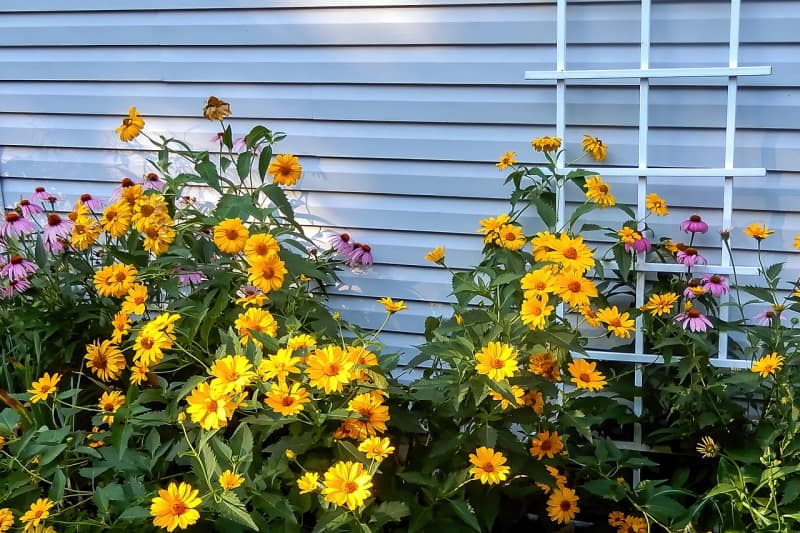
Next, focus on the yard. Trim shrubs that block windows or crowd the entry. Pull weeds from flower beds and remove dead plants, broken pots, and other clutter. These updates are usually low cost, but they make the home look far more cared for and welcoming.
Observe the Weather
Exterior damage often happens gradually. Sun, rain, snow, and ice wear down materials over time, and because the changes develop slowly, homeowners may miss them until the repairs become bigger and more expensive.
Inspect the roof for curling shingles, bare spots, or granules collecting in the gutters. Look at the siding for cracks, warping, stains, or mildew. Check outdoor light fixtures for rust, loose mounting, or signs of water intrusion. If paint is bubbling or peeling, moisture could be behind it.
These issues may seem minor at first, but they can lead to serious damage. A small crack in the siding can let water in. A clogged or damaged gutter can cause overflow near the foundation. Spotting weather wear early is one of the smartest ways to protect both your home’s appearance and your budget.

Match style and function
Exterior updates should do more than improve appearance for a short time. The best upgrades combine good looks with durability, helping the home stay attractive while holding up against weather and daily wear.
Try to keep the main design features coordinated. If the roof, shutters, trim, and front door all compete visually, the exterior can feel busy even when it is clean. In many cases, a simple, consistent color palette works best. Traditional homes often benefit from timeless shades, while modern homes can handle stronger contrast and bolder choices.
Materials matter as much as color. Low-maintenance options such as composite trim, durable fixtures, and quality exterior paint can reduce future upkeep. When replacing visible features, choose styles that fit the character of the house instead of chasing trends that may quickly feel out of place. The goal is to make changes that feel natural, functional, and lasting.
Plan affordable upgrades
Once you start noticing exterior issues, it is easy to feel overwhelmed. A better approach is to prioritize projects by urgency, visibility, and cost. Handle anything that protects the home from damage first, then move on to cosmetic improvements.
A practical order often looks like this:
– Repair roof or gutter issues that could lead to water damage
– Fix cracked siding, loose trim, or peeling paint
– Clean porches, windows, and walkways
– Update lighting, house numbers, or planters
– Add decorative details after the essentials are finished
This method is especially useful when you are working within a budget. You do not need to complete everything in one season. Spacing projects over several months makes them more manageable and ensures urgent repairs are not delayed by less important upgrades. Even small steps can make noticeable progress.
Know when to call
Many exterior tasks are manageable for homeowners with the right tools, time, and comfort level. Cleaning gutters, trimming shrubs, pressure washing, and painting a small section of trim are common do-it-yourself jobs.
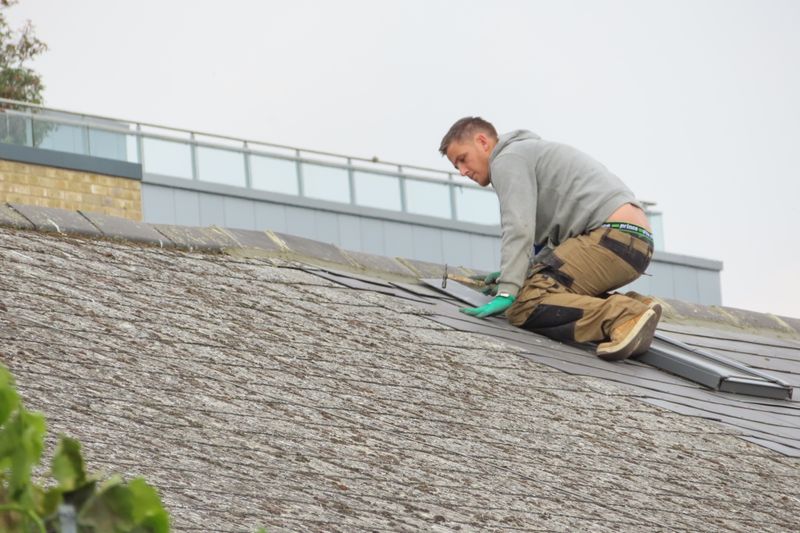
Still, some problems are better left to professionals. If you notice leaks, missing shingles, sagging roof sections, interior water stains, or repairs that keep failing, it is time to bring in expert help. Repeated patchwork can waste money and may hide a deeper moisture or structural problem.
Safety is also a major concern. Steep roofs, unstable ladders, and damaged materials can create serious risks. A professional inspection is especially valuable when the source of the issue is unclear or when the damage seems to be spreading. Knowing when to call for help is not giving up on DIY. It is a smart way to protect your home, your finances, and your safety.
Keep it looking good
Once your exterior feels refreshed, regular upkeep can help it stay that way. You do not need a complicated maintenance routine. A few seasonal habits can prevent small issues from becoming major repairs.
In spring and fall, walk around the house and look for loose shingles, clogged gutters, chipped paint, cracked caulk, and overgrown landscaping. Rinse dirt from the siding when needed. Sweep the porch, steps, and walkways so they do not collect grime and leaves. Replace burned-out bulbs and tighten loose fixtures or hardware.
After major storms, do a quick inspection from the ground. Check for visible damage to the roof, gutters, siding, and landscaping. Catching trouble early helps preserve the clean, maintained appearance you worked to create.

Ellen is a busy mom of a 29-year-old son and 33-year-old daughter. She owns nine blogs and is addicted to social media. She believes that it doesn’t have to be difficult to lead a healthy life. She shares simple healthy living tips to show busy women how to lead fulfilling lives. If you’d like to work together, email info@confessionsofanover-workedmom.com to chat.
