Last Updated on September 19, 2026 by Ellen Christian
Food choices influence long-term health, requiring shoppers to balance packaged convenience with the benefits of fresh foods. The World Resources Institute estimates that one-third of global food production goes uneaten. Recent data suggest losses and waste may reach 40% across the food value chain. This highlights the importance of thoughtful purchasing and storage decisions.
Posts may be sponsored. This post contains affiliate links, which means I will make a commission at no extra cost to you should you click through and make a purchase. As an Amazon Associate I earn from qualifying purchases.
Fresh and minimally processed foods provide essential nutrients, while packaged options offer convenience, longer shelf life, and nutritional information. However, labels can differ in calories, sugars, sodium, and serving sizes. Making informed choices therefore requires more than simply choosing foods labeled “fresh” or “natural.”
In this guide, we will navigate the trade-offs between convenience, nutrition, and cost, helping you make informed choices for your household.
Check Nutritional Differences
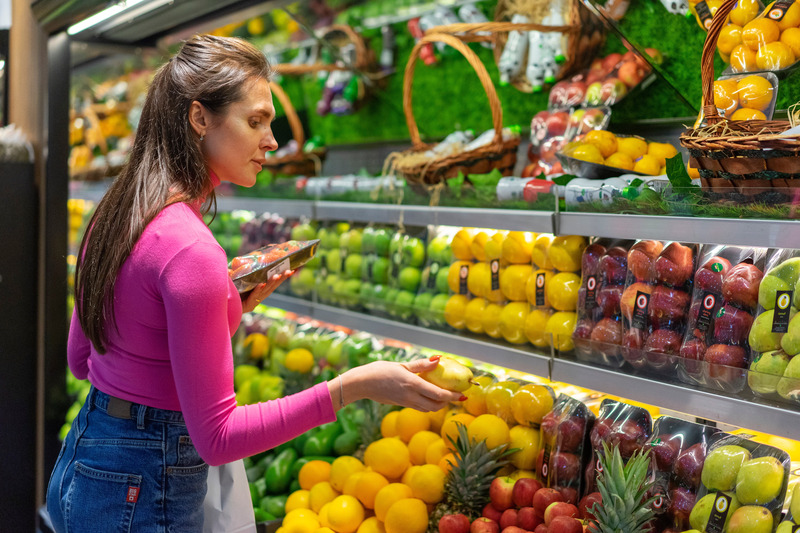
Fresh and packaged foods may differ nutritionally, but packaging does not necessarily reduce nutritional value. Fresh produce can retain nutrients when consumed soon after harvest, while freezing and canning may preserve them longer. Consumers should compare labels, serving sizes, fiber, protein, added sugars, and sodium rather than judging quality by food format alone.
The European Food Information Council (EUFIC) confirms that fresh, frozen, canned, and dried fruits and vegetables all contribute toward your daily 400-gram intake. Storage methods significantly impact nutrient retention.
For instance, room-temperature spinach loses 100% of its vitamin C within a week, whereas freezing retains 70%. Similarly, green peas lose 60% of their vitamin C at room temperature, but only 10% when frozen.
Verify Food Safety and Quality Standards
Food safety standards guide every stage of the supply chain, helping ensure wholesome products reach consumers. Hygienic practices begin with harvesting and handling raw ingredients. These measures help prevent physical, chemical, and biological hazards.
Processing and packaging use temperature controls, automated monitoring, and specialized materials to protect food. These measures reduce oxidation and bacterial growth. Controlled distribution maintains the cold chain and supports traceable delivery to retailers.
Maintaining these complex systems requires specialized expertise. A food safety consultant helps manufacturers, retailers, and food businesses identify potential hazards. They help implement Hazard Analysis Critical Control Point (HACCP) systems and establish routine audit protocols.
Fayette Industrial notes that food safety consultants help facilities identify risks and meet regulatory expectations. Their work includes plans, sanitation, monitoring, documentation, audits, and regulatory updates.
For consumers, these practices translate directly into trust. Choosing products from reliable sources with verified safety protocols and transparent sourcing reduces exposure to contaminants and ensures higher quality.
Understanding Food Labels
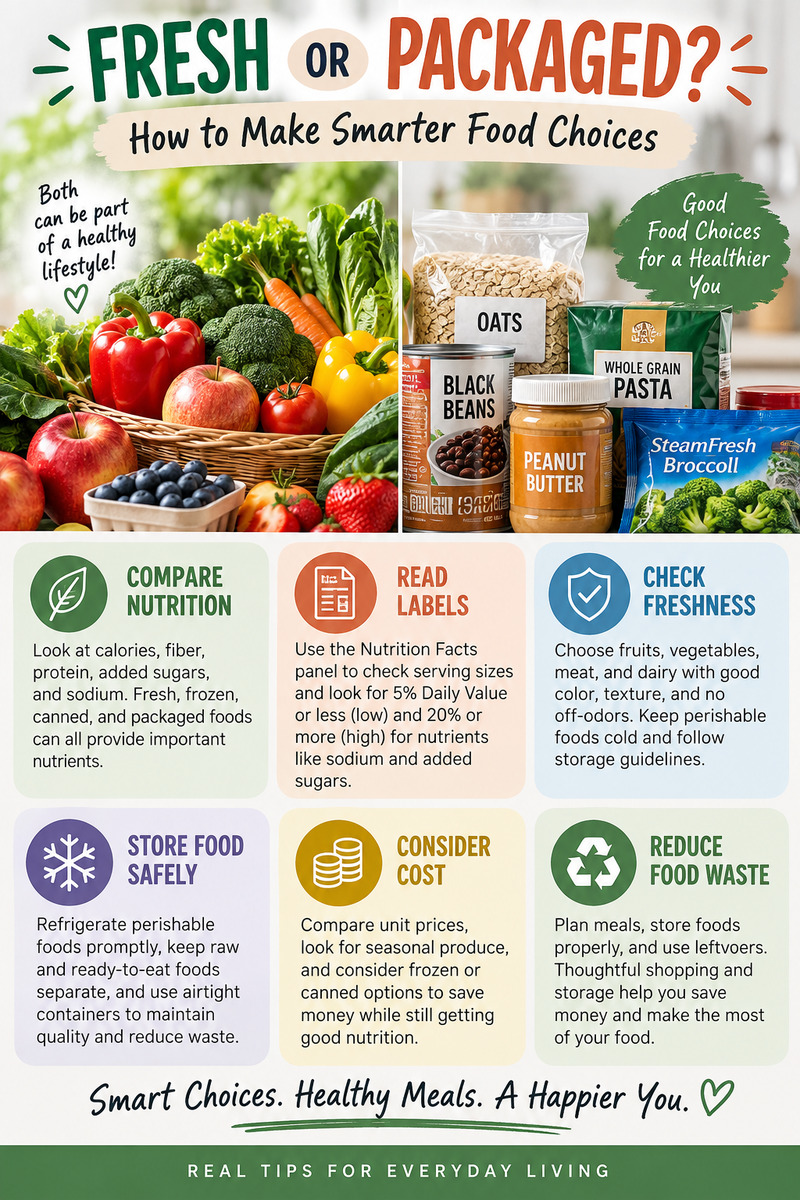
Reading food labels is essential for uncovering hidden ingredients and making healthier choices among packaged goods. The Nutrition Facts panel and ingredient list reveal crucial details about serving sizes, added sugars, trans fats, and sodium levels. Ingredients are listed by weight in descending order, making the first few items the primary components of the food.
The US Food and Drug Administration (FDA) states that packaged foods with 20% Daily Value (DV) or more of a nutrient are considered high. Foods containing 5% DV or less are considered low. This 5/20 rule makes nutrition labels easier to interpret. It can help consumers choose fiber-rich foods while limiting sodium and added sugars.
Signs of Food Freshness
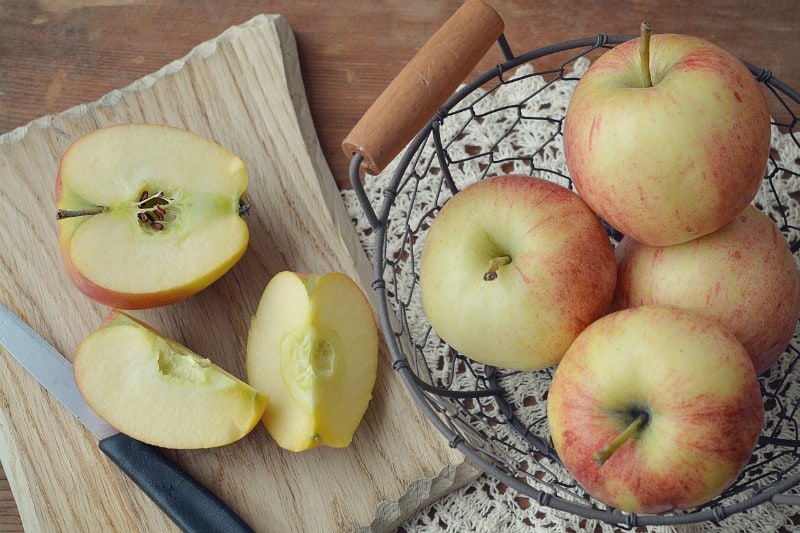
Evaluating sensory cues, such as color, texture, and aroma, is fundamental to assessing freshness and preventing spoilage. Fresh fruits and vegetables generally have firm textures, natural colors, and no excessive bruising, mold, or unpleasant odors. Meat, poultry, and seafood should be properly refrigerated, with packaging that is intact and free from leaks.
The Centers for Disease Control and Prevention (CDC) states that bacteria multiply rapidly between 40°F and 140°F, known as the “Danger Zone.” Perishable foods should not remain at room temperature for more than two hours, or one hour above 90°F. Keep refrigerators at 40°F or below and freezers at 0°F or below, discarding food before spoilage.
Proper Food Storage
Refrigerate perishable foods promptly, including meat, dairy, and cut produce, while keeping dry packaged foods in cool, dry places. Raw meat, poultry, and seafood should be kept separately from ready-to-eat foods to prevent cross-contamination. Using airtight containers can help protect food from moisture, odors, and contaminants.
Consumers should also follow package storage instructions and monitor expiration or quality dates. Leftovers should be cooled and stored safely rather than being left at room temperature for extended periods. Organizing foods according to storage needs can also reduce spoilage, unnecessary waste, and avoidable household expenses.
Balancing Quality and Cost
Fresh foods can provide nutritional value, while frozen, canned, and packaged options often offer longer shelf life and less spoilage. Comparing unit prices, labels, portions, and storage life helps identify practical choices. Seasonal produce and minimally processed foods can reduce costs. Meal planning and sensible purchasing further limit waste while supporting affordability.
Director, Industry Relations of FMI, Tom Cosgrove, reports that younger shoppers increasingly associate private-label foods with affordability, quality, taste, and innovation. In 2026, 59% of Gen Z shoppers said they purchased more private-brand products than the previous year. Among Millennials, the figure was 52%. These trends highlight changing perceptions of value.
Frequently Asked Questions
Are foods with longer shelf lives less nutritious?
Foods with longer shelf lives are not necessarily less nutritious, as freezing and canning retain essential nutrients. However, some packaged items contain added sodium, sugar, or preservatives. Checking nutrition labels and ingredient lists helps consumers choose options that meet their dietary needs.
How reliable are expiration dates on packaged foods?
Expiration dates offer useful quality guidance, but proper storage conditions and product type dictate safety. “Best if used by” dates reflect peak flavor rather than food safety risks. Consumers should inspect packaging, follow storage instructions, and check for spoilage before eating.
Can frozen foods retain their nutritional value?
Yes, frozen foods can retain much of their nutritional value, as freezing slows nutrient loss over extended periods. In fact, frozen produce often retains vitamins and minerals better than fresh foods stored for several days. Selecting minimally processed frozen options easily supports healthier choices.
The Numbers Behind What We Eat
| Global food production going uneaten | One-third |
| Food potentially lost or wasted across the value chain | Up to 40% |
| Recommended daily fruit and vegetable intake | 400 g |
| Daily Value considered high on food labels | 20% DV or more |
| Food safety “Danger Zone” | 40°F–140°F |
| Maximum time perishable food should remain at room temperature | 2 hours |
| Recommended refrigerator temperature | 40°F or below |
Making Smarter Food Choices
Choosing between packaged and fresh foods does not have to be an either-or decision. Consumers can make informed choices by comparing nutritional value, freshness, food safety, storage requirements, ingredient lists, and overall cost. Understanding labels and recognizing signs of quality can help identify suitable options.
Packaged, frozen, and canned foods can also provide valuable nutrition when selected carefully. Thoughtful purchasing, proper storage, and choosing foods from reliable sources can support a balanced diet while reducing unnecessary waste and expenses.

Ellen is a busy mom of a 29-year-old son and 33-year-old daughter. She owns nine blogs and is addicted to social media. She believes that it doesn’t have to be difficult to lead a healthy life. She shares simple healthy living tips to show busy women how to lead fulfilling lives. If you’d like to work together, email info@confessionsofanover-workedmom.com to chat.
