
Last Updated on May 28, 2026 by Ellen Christian
You can fix midlife vaginal dryness without trying by increasing daily hydration, eliminating hidden chemical irritants from your laundry, choosing pH-balanced vaginal moisturizers, and practicing gentle pelvic floor relaxation.
Posts may be sponsored. This post contains affiliate links, which means I will make a commission at no extra cost to you should you click through and make a purchase. As an Amazon Associate I earn from qualifying purchases.
Vaginal dryness during menopause, postpartum recovery, or after periods of prolonged stress is incredibly common, yet the subtle discomfort it causes often disrupts sleep, exercise, and intimacy.
Menopause causes a dramatic drop in estrogen, which leads to widespread vaginal dryness for up to 75 percent of individuals.

Fortunately, addressing these shifts does not require complex medical routines, just a few calm, sustainable adjustments to your daily habits.
These small discomforts accumulate quietly over time, showing up as a low-grade ache during a morning walk or an unwelcome awareness during a long workday.
The good news is that sustainable relief often comes from unhurried, gentle adjustments. For instance, exploring a NeuEve’s natural GMO-free treatment for vaginal dryness alongside options like pure coconut oil or simple hyaluronic gels provides reliable background relief.
By focusing on practical hydration habits, a simple product selection checklist, and non-hormonal support strategies, you can create a low-effort framework for managing this change.
1. Hydrate More and Remove the Hidden Irritants
The body’s mucous membranes, including delicate vaginal tissue, depend on consistent fluid intake to stay supple and self-regulating.
This internal hydration is among the most overlooked of all natural ways to ease vaginal dryness.
Many busy women under-hydrate throughout the workday and never connect this habit to the subtle discomfort they feel by evening.
If you are a commuter who lives on coffee and carries a half-empty reusable water bottle, you understand this dynamic immediately.
You can boost your water intake naturally by adding water-rich foods like cucumbers, watermelon, and leafy greens to your grocery list.
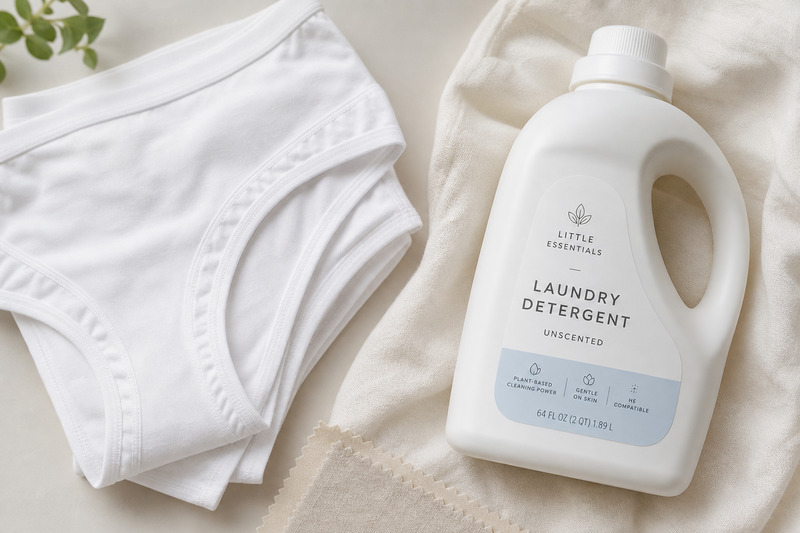
These serve as easy upgrades rather than restrictive dietary overhauls. Next, conduct a brief hidden irritant audit, as strongly scented laundry detergent is often the quiet culprit behind months of low-grade irritation.
Common offenders include fragranced detergents, bubble baths, scented feminine wipes, douches, and non-breathable synthetic fabrics.
These everyday items disrupt your natural pH and create a low-grade irritation cycle that rarely gets traced back to its source.
The fix is remarkably simple by swapping to unscented cleansers, wearing cotton underwear, and using fragrance-free laundry products.
Let the vulva breathe overnight to encourage natural healing. Once these swaps are made, they become invisible habits that quietly protect your comfort.
2. Choose Products That Actually Belong on Your Most Sensitive Skin
Many women use lubricants and moisturizers interchangeably without realizing they serve entirely different functions.
Knowing this fundamental distinction is the core of how to choose a vaginal moisturizer that actually works for ongoing relief.
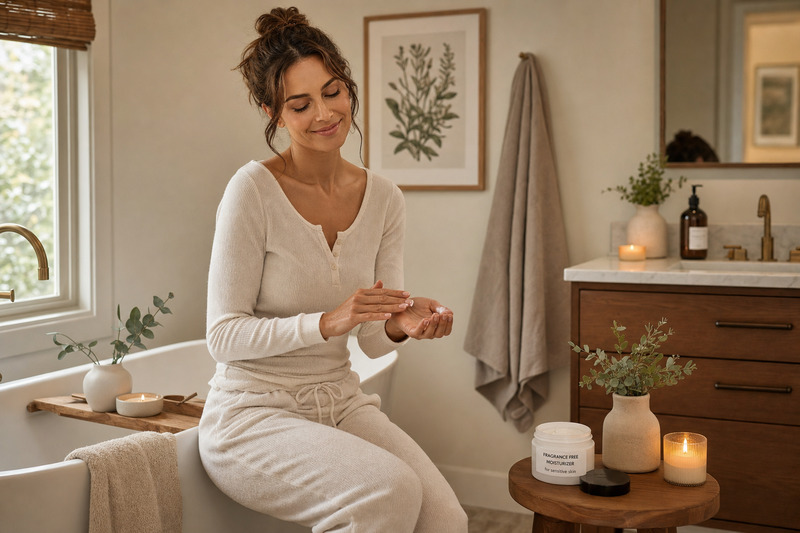
When navigating the options, look for fragrance-free, pH-balanced formulations free of glycerin, parabens, and harsh preservatives.
For many navigating midlife changes, breast cancer recovery, or general hormone sensitivity, finding a genuinely hormone-free option is an absolute priority.
Clinician-formulated vaginal health support emphasizes ingredients that your body recognizes and can utilize for steady hydration.
Whether you choose a specialized suppository, a plant-based balm, or a gentle serum, the goal is consistent comfort.
You should not notice the product itself, but rather you should simply notice the absence of discomfort.
Apply your chosen moisturizer right before bed while reading or winding down for the night.
It naturally folds into your nighttime ritual alongside washing your face, becoming a gentle, intimate skincare routine rather than a stressful medical task.
| Key Insight: Lubricants reduce friction in the moment; vaginal moisturizers provide continuous tissue support. Understanding this difference is essential for choosing long-term relief. |
3. Support Tissue Comfort With Consistent, Non-Hormonal Approaches
The foundation of non-hormonal vaginal dryness relief is consistency and patience. This approach works best as a quiet, sustained practice rather than an intense, overnight intervention.
The goal is gradual tissue support that helps the body naturally maintain moisture over the long term.
Movement can be a surprisingly gentle ally in your journey toward physical comfort.
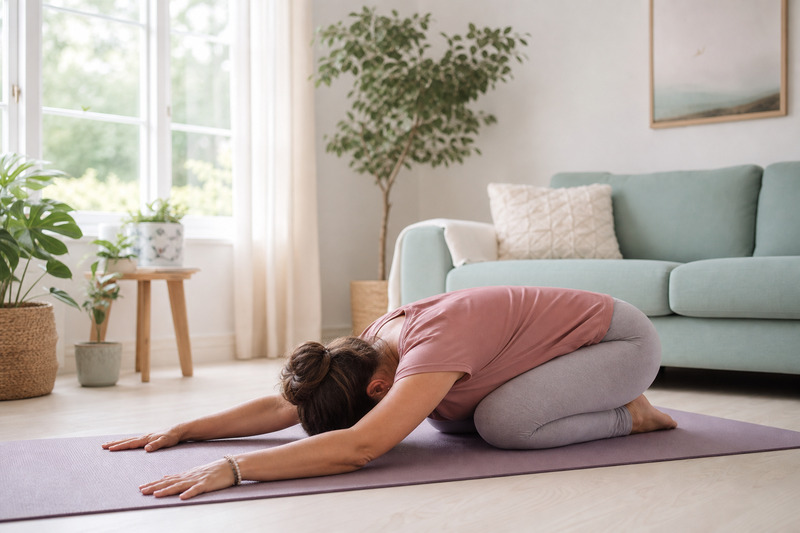
Diaphragmatic breathing, pelvic floor relaxation exercises, and gentle yoga postures like child’s pose ease the physical tension that frequently accompanies dryness.
Understanding the connection between a relaxed pelvic floor and dryness allows you to add these simple stretches to a Tuesday evening without it feeling like a clinical prescription.
When it comes to supportive ingredients, Vitamin E, hyaluronic acid, and sea buckthorn oil have drawn significant research interest.
These ingredients are praised for their potential to support mucous membrane comfort naturally.
After a few consistent weeks of this gentle support, many women find they are simply less aware of the discomfort.
It recedes into the background, allowing them to move through the day completely uninterrupted.
4. Know When Your Body Is Asking for More
Taking charge of your own comfort is a profound act of self-knowledge. Sometimes, however, the body signals that it needs a more specific, professional medical response.
It is highly important to know which symptoms warrant an immediate conversation with your healthcare provider.
Research shows that dryness prevalence increases significantly as women move from their early forties into their late fifties and beyond.
Having a brief, honest, and open conversation with your doctor can quickly rule out infections or other underlying conditions.
Getting professional insight is not a sign of failure or over-sensitivity.
It is simply another expression of the same proactive self-care that encouraged you to seek out natural comfort strategies in the first place.
| Important: Unusual bleeding, persistent sores, or no improvement after weeks of gentle care are signals to consult a provider. Treatable conditions respond best to early attention. |
You Can Feel Comfortable Again
Restoring your comfort does not require dramatic interventions or stressful medical routines.
By drinking more water, removing hidden irritants, and choosing gentler products, you regain control over your body’s baseline well-being.
Maintaining a consistent non-hormonal support routine and having the confidence to ask for professional help also play crucial roles.
Life’s joyful moments deserve your full, undistracted presence without the burden of ongoing physical irritation.
Vaginal dryness is incredibly common and well-understood, meaning it is not something you must quietly endure as an inevitable cost of getting older.
The most lasting relief often comes from small, calm adjustments that fold so naturally into daily life that they stop feeling like effort. You can truly fix it almost without trying.
Always consult a healthcare professional if you have concerns or before starting any new wellness routine.
| Author Profile: NeuEve is the leading manufacturer of all-natural vaginal care products for women experiencing menopause and intimate health challenges. |

Ellen is a busy mom of a 29-year-old son and 33-year-old daughter. She owns nine blogs and is addicted to social media. She believes that it doesn’t have to be difficult to lead a healthy life. She shares simple healthy living tips to show busy women how to lead fulfilling lives. If you’d like to work together, email info@confessionsofanover-workedmom.com to chat.
