
Last Updated on October 6, 2026 by Ellen Christian
A do-it-yourself move can save money and give you more control, but it can also consume an entire weekend if every decision gets pushed to the last minute. That is especially worth planning for in Oklahoma City, where the population reached an estimated 719,849 in 2025, up 5.7% from the 2020 estimates base. A growing city means plenty of households are changing homes, but every move still comes down to the same fundamentals: start early, reduce what you take, pack with purpose, and know when a little professional help will save more time than doing everything alone.
Posts may be sponsored. This post contains affiliate links, which means I will make a commission at no extra cost to you should you click through and make a purchase. As an Amazon Associate I earn from qualifying purchases.
Build a Timeline Around Your Real Schedule
Most moving plans fail because they assume you will suddenly become enthusiastic about packing every evening after work. A better strategy is to divide the process into smaller tasks that can realistically fit around everyday responsibilities.
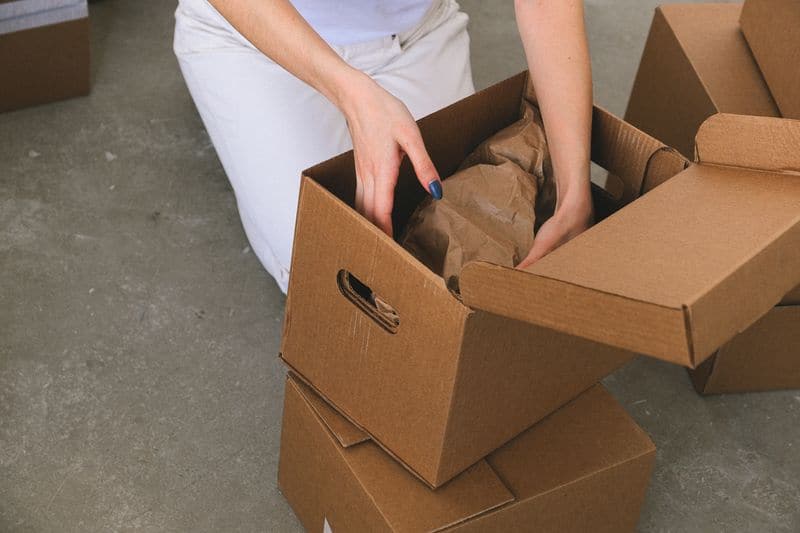
Start several weeks before moving day. Use the earliest part of the process for decisions rather than boxes. Confirm your moving date, arrange utilities, identify furniture that needs dismantling, and begin sorting belongings you rarely use. Packing can then become progressively more serious as the date approaches.
Working room by room also makes the project feel less overwhelming. Completing one cupboard or wardrobe creates visible progress without requiring an entire free day. By the final week, you should ideally be dealing with everyday essentials rather than discovering an untouched storage room.
Know When DIY Moving Needs Some Backup
Handling part of a move yourself can be economical, but doing absolutely everything independently does not always provide the best value. Heavy furniture, stairs, limited help, tight deadlines, or a larger household can quickly change the calculation.
If you’re comparing moving services in Oklahoma City, you’ll find plenty of options for local moving, packing, loading, transportation, and other customizable services.
Professional help does not have to mean handing over the entire move. You might pack everything yourself while hiring a crew for loading and transportation, or handle smaller belongings independently while getting assistance with furniture and heavier items.
The smartest approach is the one that protects your budget without turning moving day into an unnecessary physical endurance test.
Get Rid of Things Before Paying to Move Them
Decluttering has a direct effect on how difficult a move becomes. Every unnecessary item takes time to pack, occupies truck space, and eventually needs to be unpacked again.
Go through belongings with a practical question in mind: would you make an effort to replace this item if you did not already own it? If the answer is no, it may not deserve space in the new home.
Furniture deserves similar scrutiny. A bulky, inexpensive item that is already worn may be more trouble to transport than it is worth. Selling usable belongings can also put some money back into the moving budget, while donations and responsible disposal reduce the volume you have to handle.
The result is not only a lighter move. Unpacking becomes easier because the new home begins with belongings you deliberately chose to keep rather than boxes of decisions you postponed.
Pack With the Unpacking Process in Mind
The best packing system is not necessarily the most elaborate one. It simply needs to tell you where things belong once they reach the new home.
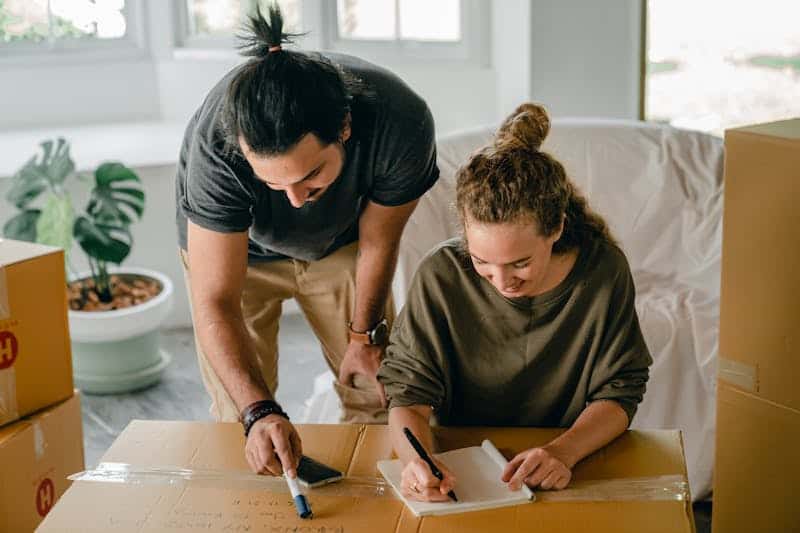
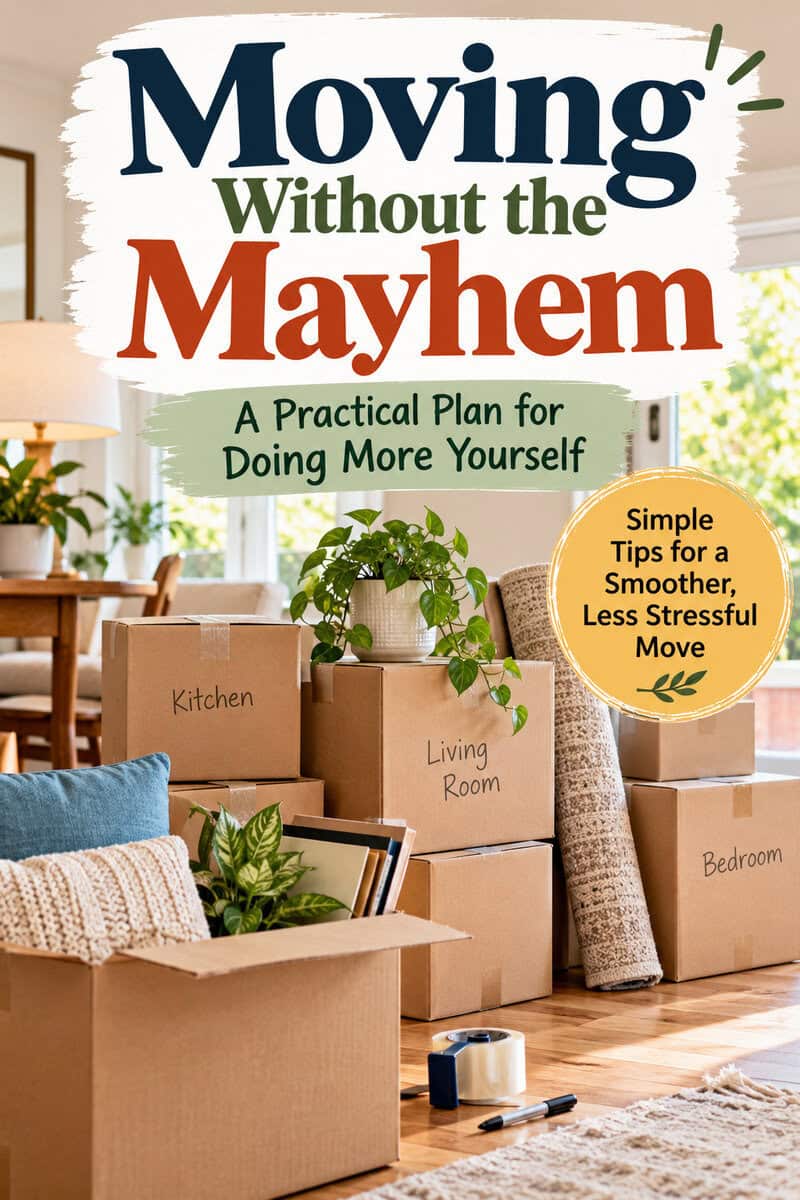
Label every box by room and include a brief description of the contents. Keep heavy items in smaller boxes so they remain manageable, and use larger containers for lighter belongings. Avoid filling boxes simply because there is still space if doing so makes them difficult to carry.
Following practical packing and moving strategies can also make the process smoother by encouraging specific labels, advance measurements, an essentials bag, and early planning rather than last-minute packing.
Think especially carefully about what you will need during the first evening. Medication, chargers, basic clothing, toiletries, important documents, and a few kitchen essentials should remain easy to reach.
Protect Fragile Items Without Buying Everything New
You do not need an enormous collection of specialty packing supplies to protect ordinary household belongings.
Towels, blankets, clean clothing, and linens can provide cushioning for many items you already own. Dishes should be packed securely with empty space filled so they cannot shift around inside the box. Electronics should be protected from impact, and taking photographs of cable arrangements before unplugging equipment can save considerable frustration later.
Furniture often travels more safely when removable legs, shelves, or other components are taken off first. Keep screws and fittings in labeled bags and attach them securely to the corresponding item without damaging the finish.
Strategic packing can also reduce costs. Some ways to save money during a move include reusing available packing materials, using household fabrics for protection, and packing efficiently enough to reduce unnecessary boxes.
Make Access Part of the Moving Plan
A perfectly packed truck does not help much if it cannot get close enough to the property.
Before moving day, think about both the home you are leaving and the one you are entering. Measure large furniture against doorways, hallways, staircases, and elevators. Confirm whether any building access needs to be reserved in advance and whether there are restrictions on moving hours.
Consider the path movers or helpers will actually use. Remove tripping hazards, keep children and pets away from busy loading areas, and identify where boxes should be placed before unloading begins.
This preparation can save significant time. A crew that has to stop repeatedly to decide where something belongs or discover that a piece of furniture needs dismantling will take longer than one working from a clear plan.
RELATED: How to make moving less stressful
Build a First-Night Kit You Keep With You
One of the easiest moving mistakes is placing everything inside the moving truck and assuming you will find what you need later.
Pack as though you were staying somewhere overnight. Each person should have basic clothing, toiletries, medications, chargers, and anything needed for the next morning. Keep identification, important paperwork, keys, valuables, and essential electronics under your direct control.
The household also needs a few immediately accessible supplies. Toilet paper, soap, cleaning products, basic tools, snacks, bottled water, and simple kitchen items can make the first night dramatically easier.
If children or pets are involved, keep familiar comfort items accessible too. Moving is disruptive enough without discovering that a favorite blanket or pet supplies are buried somewhere underneath forty identical boxes.
Do Not Try to Finish the New Home in One Day
Once everything arrives, the temptation is to unpack until the house looks finished. That usually leads to exhaustion and half-completed rooms.
Start with function. Set up beds, make the bathroom usable, organize enough of the kitchen to prepare food, and establish any workspace needed for the next day. Other rooms can wait.
Break down empty boxes as you go so completed areas immediately feel less cluttered. Keep remaining boxes grouped by room instead of letting them spread throughout the house.
There is also no need to start buying storage furniture or decorative items immediately. Living in the new space for a short period can reveal what you genuinely need and where belongings naturally fit.
A Good DIY Move Is About Choosing Your Work Carefully
Doing a move yourself does not mean proving that you can personally carry every box and piece of furniture.
The real advantage of a DIY-friendly approach is control. You decide which tasks are worth doing yourself, where you can save money, and where outside help makes the process safer or more efficient.
Start early enough to avoid panic, move only what you genuinely want, pack for easy unloading, and prepare both properties before moving day arrives. Most importantly, keep some flexibility in the plan.
Something will probably take longer than expected. A piece of furniture may refuse to cooperate, the weather may change, or somebody may temporarily lose the box containing exactly what they need.
Good planning does not eliminate those moments. It keeps them from consuming the entire weekend.

Ellen is a busy mom of a 29-year-old son and 33-year-old daughter. She owns nine blogs and is addicted to social media. She believes that it doesn’t have to be difficult to lead a healthy life. She shares simple healthy living tips to show busy women how to lead fulfilling lives. If you’d like to work together, email info@confessionsofanover-workedmom.com to chat.
