
Last Updated on October 22, 2026 by Ellen Christian
Moving into a new home should feel exciting. It’s an opportunity to explore a different neighborhood, create new routines, and enjoy a fresh start. Unfortunately, the process of getting there can quickly become overwhelming.
Posts may be sponsored. This post contains affiliate links, which means I will make a commission at no extra cost to you should you click through and make a purchase. As an Amazon Associate I earn from qualifying purchases.
A misplaced document, poorly packed box, or delayed moving truck can trigger a chain of problems that disrupts the entire day. What initially seems like a minor inconvenience may lead to additional expenses, damaged belongings, or unnecessary frustration.
The secret to a smoother relocation isn’t necessarily working harder. It’s understanding which decisions have the greatest impact and addressing potential complications before they occur.
Whether you’re moving across town or relocating to another city, thoughtful preparation can turn a stressful experience into a manageable transition.
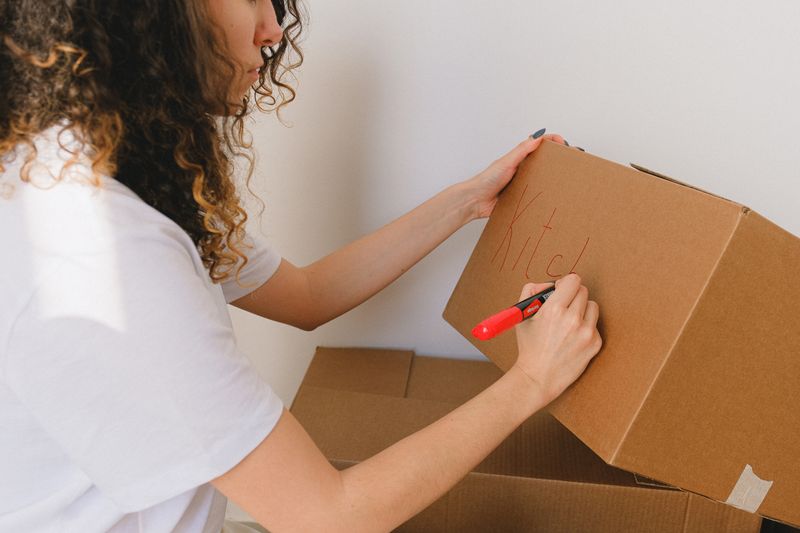
Choose Moving Assistance Before Your Schedule Gets Complicated
One of the earliest decisions involves determining how much professional assistance your relocation requires.
Moving independently may appear economical, but transportation, equipment rentals, packing supplies, and physical labor can increase the overall effort.
Hiring a reliable local moving company can simplify these responsibilities, particularly when moving heavy furniture, navigating apartment buildings, or coordinating transportation between nearby neighborhoods.
For example, Moving Brothers provides residential and commercial moving services in the Denver area, including packing, loading, unloading, and furniture handling.
Before selecting a provider, compare written estimates, service descriptions, insurance arrangements, and customer feedback.
Ask whether the quoted price includes equipment, travel time, stairs, and furniture disassembly.
Confirming these details helps prevent misunderstandings when moving day arrives.
Booking early also provides more flexibility when choosing a date that accommodates your schedule.
Build a Moving Timeline That Starts Weeks Before Departure
Waiting until the final weekend to organize a move often creates unnecessary pressure.
A practical timeline allows you to divide responsibilities into smaller tasks instead of attempting everything simultaneously.
Several weeks before moving, begin reviewing belongings, gathering packing materials, and researching transportation arrangements.
As the date approaches, confirm utility transfers, update important addresses, and organize documents.
During the final week, focus on packing everyday items that are no longer essential.
Keep frequently used belongings accessible until the last possible moment.
A written checklist can help prevent important responsibilities from being forgotten.
However, avoid creating an unrealistic schedule that assumes every task will take less time than expected.
Allowing extra time for unexpected complications makes the entire process easier to manage.
Declutter Before You Spend Money Moving Unnecessary Things
Relocation provides an excellent opportunity to reconsider what deserves space in your next home.
Over time, households accumulate unused appliances, outdated electronics, clothing, and furniture that no longer serves a practical purpose.
Transporting these belongings increases packing requirements and may affect moving costs.
Start by examining storage areas that receive little attention, including closets, garages, and spare rooms.
Separate belongings into categories based on whether you intend to keep, donate, sell, or responsibly dispose of them.
Avoid making decisions solely according to an item’s original purchase price.
Instead, consider its current usefulness, condition, and suitability for your new living space.
Decluttering gradually also reduces the emotional pressure of making numerous decisions immediately before moving.
The fewer unnecessary items you transport, the easier unpacking becomes.
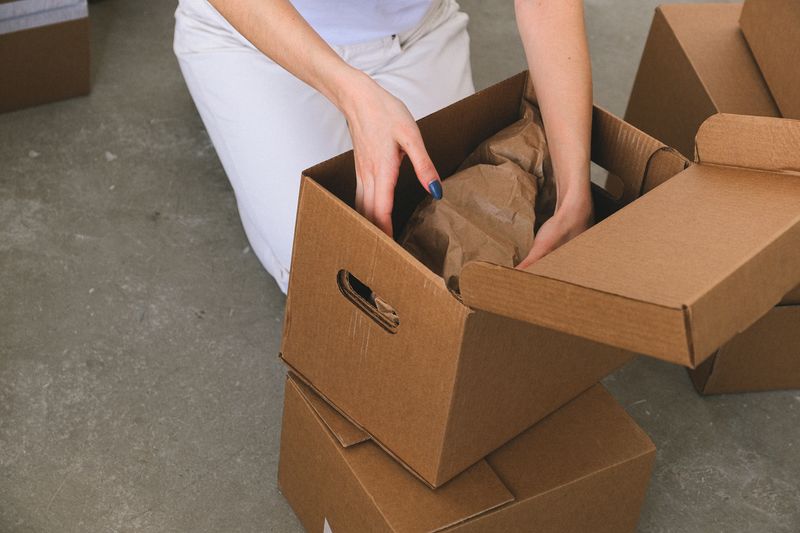
Pack Strategically Instead of Filling Boxes Randomly
Packing efficiency depends on organization rather than speed.
Combining unrelated belongings in the same box may save a few minutes initially, but it can create confusion when searching for essential items later.
Pack room by room whenever possible.
Use smaller boxes for heavy belongings such as books and larger containers for lighter items like pillows or linens.
Fragile objects require appropriate cushioning and secure positioning to reduce movement during transportation.
Clearly label boxes with their destination room and a brief description of the contents.
For particularly important belongings, consider numbering boxes and maintaining a simple inventory.
Avoid overloading containers beyond what can be safely lifted.
Careful packing protects possessions while helping movers place items in the correct rooms.
It also makes the first few days in your new home considerably more manageable.
Prepare Your Furniture for Tight Spaces and Unexpected Obstacles
Large furniture can create difficulties even during relatively short moves.
Sofas, wardrobes, dining tables, and bed frames may not fit easily through narrow doorways, staircases, or elevators.
Before moving day, measure oversized furniture and compare those dimensions with available access points.
Consider whether certain pieces require disassembly.
Remove loose shelves, secure drawers, and protect vulnerable surfaces where appropriate.
Photographing complicated furniture assemblies before taking them apart can make reassembly easier.
Keep screws, brackets, and other small components in clearly labeled containers.
If professional movers are handling the furniture, discuss unusual dimensions or access restrictions beforehand.
A little preparation can prevent delays and reduce the likelihood of accidental damage to furniture or surrounding walls.

Protect Important Documents and Everyday Essentials
Some belongings should remain under your direct control throughout the move.
Identification documents, financial records, medications, keys, and valuable personal items are examples.
Instead of placing these essentials inside ordinary moving boxes, organize them in a separate bag that travels with you.
Prepare an additional first-night kit containing toiletries, phone chargers, clean clothing, basic cleaning supplies, and necessary bedding.
Families with children may also want familiar toys, snacks, and entertainment available.
Pet owners should keep food, water bowls, medications, and identification information accessible.
These preparations become especially useful when unpacking takes longer than expected.
Having immediate access to essentials allows everyone to settle in comfortably without searching through dozens of containers.
Coordinate Parking, Building Access, and Moving-Day Logistics
Transportation is only one part of moving-day coordination.
Parking restrictions, elevator reservations, building access rules, and narrow loading areas can influence how efficiently belongings are transported.
Apartment residents should contact building management before moving to confirm any scheduling requirements.
Homeowners may need to consider driveway access and whether a large moving truck can park safely nearby.
If permits are required for temporary parking or loading, investigate the process early.
Communication with your moving team is equally important.
Provide accurate addresses, entry instructions, and information about stairs or difficult access points.
Confirm arrival arrangements before the scheduled date.
When everyone understands the logistics, the moving process is less likely to experience preventable interruptions.
Unpack With a Plan Instead of Trying to Finish Everything Immediately
Arriving at your new home doesn’t mean every box must be unpacked before bedtime.
Attempting to organize the entire property immediately can leave everyone exhausted.
Start with essential living areas, including bedrooms, bathrooms, and the kitchen.
Assemble beds, locate toiletries, and make sure basic food preparation is possible.
Next, organize frequently used clothing, cleaning supplies, and household equipment.
Decorative items and less essential belongings can wait until daily routines are functioning comfortably.
Take time to inspect furniture and possessions for potential transportation damage.
If professional movers were involved, follow the agreed procedures for reporting concerns promptly.
Unpacking gradually also gives you an opportunity to reconsider furniture arrangements and storage decisions.
Rather than recreating your previous home exactly, consider how the new space can better support your lifestyle.
Ultimately, a successful move isn’t measured by how quickly the last box disappears.
It’s about reaching your destination with your belongings protected, essential responsibilities completed, and enough energy to enjoy the experience.
By planning ahead, choosing appropriate assistance, and anticipating common complications, you can prevent small moving mistakes from becoming expensive problems.
A well-organized relocation creates the foundation for a more comfortable beginning in your new home.

Ellen is a busy mom of a 29-year-old son and 33-year-old daughter. She owns nine blogs and is addicted to social media. She believes that it doesn’t have to be difficult to lead a healthy life. She shares simple healthy living tips to show busy women how to lead fulfilling lives. If you’d like to work together, email info@confessionsofanover-workedmom.com to chat.
