
Last Updated on September 26, 2026 by Ellen Christian
Home design is more than arranging rooms or choosing colors. It is a thoughtful process where daily comfort meets visual harmony. A well-designed home supports everyday routines while also creating a space that feels inviting and personal. When practicality and aesthetics are balanced with care, a home becomes both useful and beautiful, without one element overpowering the other.
Posts may be sponsored. This post contains affiliate links, which means I will make a commission at no extra cost to you should you click through and make a purchase. As an Amazon Associate I earn from qualifying purchases.
This careful balance extends to accommodating diverse needs within the same household, ensuring living spaces adapt to everyone from young children to elderly relatives. Thoughtful layouts can integrate private areas with shared communal spaces, allowing families to thrive together under one roof. Such arrangements often simplify daily logistics and foster closer family connections. Finding effective ways to integrate a cohesive, functional style into a living space often involves exploring a range of options for multi-generational home design, which can offer insights into how to combine varied requirements with unified aesthetics.
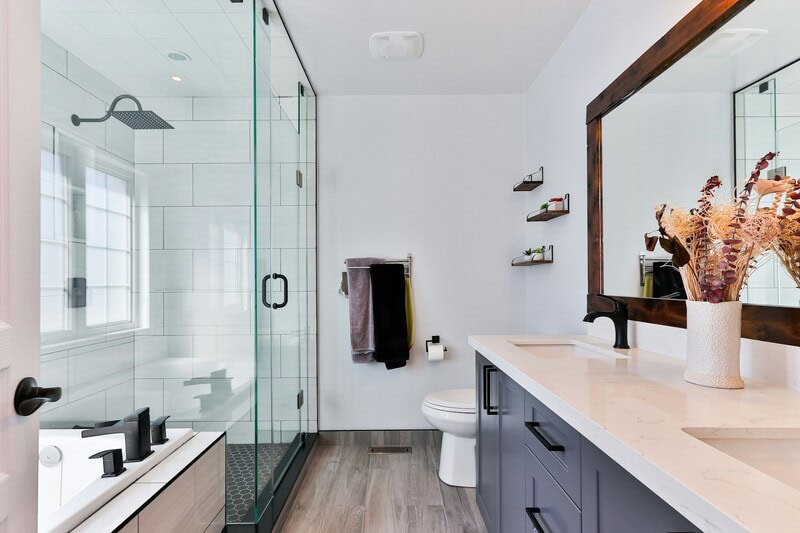
Balancing Practicality and Aesthetics in Home Design
In places like Greenville, South Carolina, homeowners often seek designs that feel warm and livable while still reflecting modern taste. This balance is not achieved by chance. It requires intention, clear priorities, and an understanding of how design choices affect both function and appearance.
Bathroom Design Where Function Meets Calm
The bathroom is often the first space where the balance between practicality and beauty becomes clear. This room must support daily routines while also offering a sense of calm. Clean surfaces, good lighting, and easy movement are essential, but they should never come at the cost of comfort or visual appeal.
Thoughtful bathroom design starts with layout. Fixtures should be placed in a way that feels natural and allows the space to flow. Storage should be accessible yet discreet, keeping clutter out of sight. Materials that are easy to clean can still look elegant when chosen with care.
The shower plays a central role in this balance. It is used daily, so it must be safe, comfortable, and easy to maintain, while also contributing to the overall visual calm of the space. For residents living in Greenville shower replacement is often a thoughtful choice because it allows homeowners to improve daily functionality while refreshing the look of the bathroom. By
focusing on simple lines, soothing textures, and a layout that supports effortless movement, the shower becomes both a dependable feature and an elegant focal point within the design.

Living Spaces That Support Daily Life
Living areas are where practicality and aesthetics must work closely together. These spaces host rest, conversation, and daily activities, so they need to feel open and welcoming. Furniture should support comfort and movement, while colors and textures create warmth. A practical living space considers how people move through the room. Seating should be
arranged to encourage interaction without blocking pathways. Storage solutions can be integrated into the design so that everyday items are close at hand but not on display.
Aesthetic choices such as wall colors, lighting, and decor should enhance the feeling of ease. Soft tones can make a room feel calm, while thoughtful accents add personality. When design choices support how the space is used, the room feels both functional and visually pleasing.
RELATED: Easy ways to decorate your bathroom
Kitchens Designed for Use and Style
The kitchen is another area where balance is essential. This space must support cooking, cleaning, and gathering, all while maintaining a sense of order and style. Practical kitchens focus on efficient layouts, clear work surfaces, and storage that makes tools easy to find. Aesthetic elements bring life to the kitchen. Cabinet finishes, countertop textures, and lighting
choices all shape the mood of the space. When these elements are chosen with restraint, they enhance the kitchen without making it feel busy or hard to maintain.
The key is to let function guide design. When the kitchen layout supports movement and tasks, the visual elements can shine without getting in the way. This approach creates a space that feels both inviting and easy to use.

Bedrooms That Blend Comfort and Visual Ease
Bedrooms should feel restful while still meeting practical needs. Storage for clothing, space for movement, and lighting for different times of day all matter. A practical bedroom supports rest by keeping distractions to a minimum.
Aesthetic choices in the bedroom should focus on calm. Soft colors, simple patterns, and natural light help create a peaceful atmosphere. Furniture should feel balanced within the room, leaving enough open space to move freely. When practicality is addressed first, the room naturally feels more comfortable. Visual elements then enhance that comfort, creating a space
that feels personal without feeling crowded.
RELATED: Storage solutions for a small bedroom
Choosing Materials That Last and Look Good
Materials play a major role in balancing practicality and aesthetics. Floors, surfaces, and finishes should be durable enough for daily use while also fitting the desired look of the home. Easy care materials do not have to appear plain when selected thoughtfully. Natural textures often offer this balance. They age gracefully and add depth to a space. Smooth surfaces can reflect light and make rooms feel open. The goal is to choose materials that support daily life without demanding constant attention.
Consistency across spaces also matters. When materials flow from room to room, the home feels connected. This visual continuity supports a sense of calm and order.

Lighting as a Functional and Visual Tool
Lighting is both a practical necessity and a design feature. Good lighting supports tasks, enhances safety, and shapes the mood of a room. Poor lighting can make even the most beautiful space feel uncomfortable. Layered lighting allows rooms to adapt to different needs.
Bright light supports work, while softer light encourages rest. Fixtures should be placed where they are most useful, but their appearance also contributes to the overall style of the room. When lighting is planned with care, it becomes a quiet partner in design. It supports function while highlighting textures, colors, and shapes.
RELATED: Wellness Focused Home Design
Personal Style Without Sacrificing Use
Personal style is what turns a house into a home. However, it should never interfere with how a space is used. Decorative choices should reflect taste while still allowing rooms to serve their purpose.
Art, textiles, and accessories can add character without overwhelming a space. When chosen with intention, these elements enhance rather than distract. Practical design leaves room for personal touches by keeping the foundation simple and flexible.
A home that balances practicality and aesthetics feels effortless. Each choice supports the next, creating spaces that are easy to live in and pleasing to the eye. Through careful planning and thoughtful selection, homeowners can create environments that serve daily life while expressing beauty in quiet, meaningful ways.

Ellen is a busy mom of a 29-year-old son and 33-year-old daughter. She owns nine blogs and is addicted to social media. She believes that it doesn’t have to be difficult to lead a healthy life. She shares simple healthy living tips to show busy women how to lead fulfilling lives. If you’d like to work together, email info@confessionsofanover-workedmom.com to chat.
