
Last Updated on June 17, 2026 by Ellen Christian
A home can influence a day before it has fully begun. The amount of natural light in a room, the ease of moving through a space, and the feeling created by familiar surroundings can shape mood in subtle ways. For many years, home design was often discussed in terms of appearance or resale value. Today, a different conversation is taking place. More attention is being given to how living spaces affect comfort, relaxation, and daily well-being. Those slow-down-and-breathe-for-a-minute moments are becoming increasingly important as people spend more time thinking about the environments they return to every day. As a result, wellness-focused home design is gaining attention, not as a luxury, but as a practical way to support a healthier lifestyle.
Posts may be sponsored. This post contains affiliate links, which means I will make a commission at no extra cost to you should you click through and make a purchase. As an Amazon Associate I earn from qualifying purchases.
Comfort Is Becoming A Design Priority
Wellness-focused design starts with a simple idea. A home should support the people living in it, rather than creating unnecessary stress or discomfort. This shift can be seen in the choices homeowners are making throughout their properties. Spaces are being designed to feel calmer, more functional, and easier to maintain.
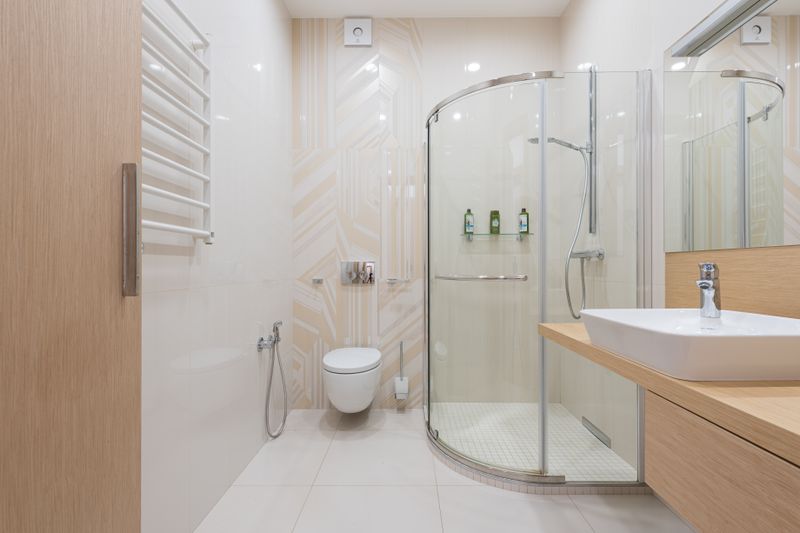
One area receiving considerable attention is bathroom remodeling. Bathrooms are no longer viewed only as practical spaces. They are increasingly being designed to encourage relaxation and comfort. Features such as improved lighting, larger showers, better storage solutions, and more accessible layouts are often selected because they contribute to a better daily experience.
The growing interest in wellness is influencing decisions beyond aesthetics. Materials may be chosen because they are easier to clean. Layouts may be adjusted to reduce clutter. Lighting may be improved to create a more comfortable atmosphere. These changes may appear small individually, but together they can have a meaningful effect on everyday life.
Would a space feel different if it were designed around comfort rather than convenience alone? Many homeowners are beginning to explore that question as they rethink how their homes function.
The Little Things Often Matter Most
When people think about wellness, large lifestyle changes often come to mind. Home design, however, frequently demonstrates that smaller adjustments can also make a difference. Comfort is often created through details that support daily routines.
Natural light is one example. Rooms that receive adequate daylight can feel more inviting and open. Improved ventilation can contribute to comfort, particularly in areas where humidity or poor airflow may become an issue. Storage solutions can reduce visual clutter, helping spaces feel more organized and manageable.
For example, a family may redesign a frequently used room to create better flow between activities. In another example, a homeowner may introduce calming colors and simpler furnishings to create a more restful atmosphere. Neither approach requires dramatic changes, but both can influence how a space feels.
Wellness-focused design often succeeds because it pays attention to everyday experiences rather than occasional events. The goal is not perfection. The goal is to create environments that feel supportive and comfortable on a regular basis. When a home supports daily routines instead of creating friction, simple activities such as getting ready in the morning, relaxing after work, or maintaining household organization can feel noticeably easier and more enjoyable.
What Wellness-Focused Homes Often Have In Common
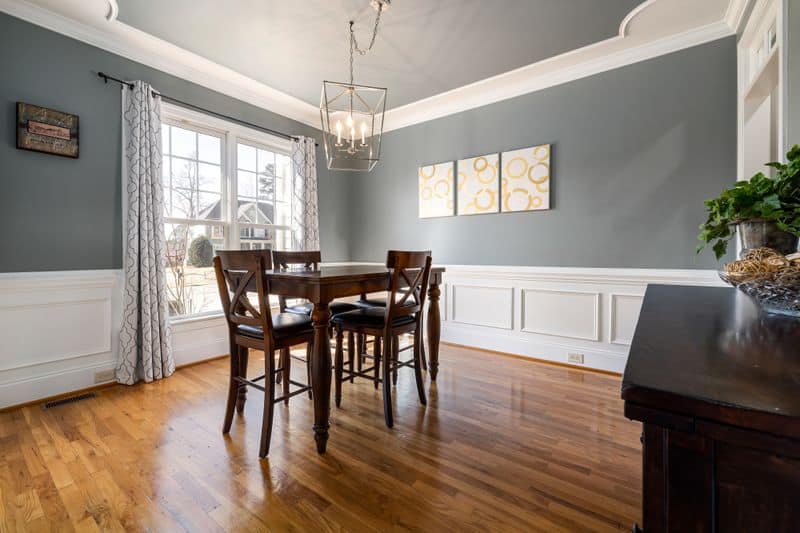
While every home is different, many wellness-oriented spaces share similar characteristics that help support comfort and functionality.
Common features include:
- Increased access to natural light
- Improved air circulation
- Flexible spaces for changing needs
- Better storage and organization solutions
- Comfortable layouts that reduce congestion
- Materials selected for durability and ease of maintenance
These features are not always expensive or complicated. In many cases, they reflect thoughtful planning rather than major renovations. A room that feels easier to use can contribute just as much to well-being as a more dramatic upgrade.
The popularity of these features also reflects changing priorities. Homeowners are increasingly interested in spaces that support daily life rather than simply impress visitors. Comfort, practicality, and long-term usability are being valued more consistently.
Can a home contribute to well-being if it constantly feels disorganized or difficult to maintain? Wellness-focused design suggests that the answer may depend heavily on how the space is arranged and used.

Wellness Extends Beyond The Front Door
Although much of the discussion focuses on interior spaces, wellness can also be influenced by areas outside the home. Outdoor environments often play an important role in creating a sense of balance and comfort.
Patios, gardens, walking paths, and shaded seating areas are frequently being incorporated into residential properties. Even modest outdoor improvements can create opportunities for relaxation and recreation. In some cases, attention may also be given to the home exterior, since curb appeal and outdoor functionality can influence how welcoming a property feels.
This broader approach reflects a growing understanding that wellness is connected to the entire living environment. A peaceful outdoor space can complement a comfortable interior. Together, they can create a setting that encourages people to spend more time enjoying their surroundings.
As homeowners continue exploring ways to improve quality of life, design decisions are increasingly being guided by how spaces feel, not just how they look. The result is a more thoughtful approach to creating environments that support everyday well-being.
A Home That Supports Everyday Living
The rise of wellness-focused home design reflects changing attitudes about what people want from their living spaces. Appearance remains important, but it is increasingly being considered alongside comfort, functionality, and personal well-being. Homes are being viewed less as showpieces and more as places that support daily life.
This shift has encouraged homeowners to pay closer attention to how rooms are used, how spaces are organized, and how environments affect mood and comfort. Whether through improved lighting, more thoughtful layouts, enhanced storage, or carefully planned renovations, wellness-focused design emphasizes practical improvements that contribute to a better living experience.
The most effective homes are not always the largest or most expensive. Often, they are the spaces that feel comfortable, support everyday routines, and provide a sense of ease. As interest in wellness continues to grow, home design will likely remain an important part of the conversation, helping people create environments that feel better to live in every single day.

Ellen is a busy mom of a 29-year-old son and 33-year-old daughter. She owns nine blogs and is addicted to social media. She believes that it doesn’t have to be difficult to lead a healthy life. She shares simple healthy living tips to show busy women how to lead fulfilling lives. If you’d like to work together, email info@confessionsofanover-workedmom.com to chat.
