
Last Updated on August 10, 2026 by Ellen Christian
Most basement drain problems don’t happen suddenly. They build. A slow accumulation of debris in the drain line. Tree roots that begin as hairline intrusions and expand over years. A sump pump that shows signs of fatigue months before it fails at the worst possible moment.
Posts may be sponsored. This post contains affiliate links, which means I will make a commission at no extra cost to you should you click through and make a purchase. As an Amazon Associate I earn from qualifying purchases.
The homeowners who avoid the emergency call, the water damage, and the insurance claim aren’t lucky. They’re proactive. Here’s how preventative maintenance for basement drains actually works, and what’s worth doing at each interval.
Why Basement Drains Are Particularly Vulnerable
Most basement drain problems don’t happen suddenly. They build. A slow accumulation of debris in the drain line. Tree roots that begin as hairline intrusions and expand over years. A sump pump that shows signs of fatigue months before it fails at the worst possible moment.
The homeowners who avoid the emergency call, the water damage, and the insurance claim aren’t lucky. They’re proactive. Here’s how preventative maintenance for basement drains actually works, and what’s worth doing at each interval.
Guidance from the EPA also notes that many serious moisture and water damage issues begin with small, unmanaged maintenance problems that worsen gradually over time, reinforcing the importance of preventative drainage maintenance in residential homes.
The basement floor drain sits at the lowest point of your home’s drainage system. Everything that the drainage system can’t handle flows to it. This means that when problems develop anywhere in the system, debris accumulation, root intrusion, sump failure, or municipal overflow events, the basement drain is where the consequences usually appear first.
RELATED: What causes plumbing leaks?
Monthly Maintenance: Small Habits That Prevent Big Problems
Keep the trap charged. If your basement floor drain is rarely used, the water in the trap evaporates over time. A dry trap allows sewer gases to enter the home, producing the sewage odour that often leads homeowners to suspect a more serious problem. Pouring a litre of water down the drain monthly maintains the water seal and costs nothing.
Add a small amount of vegetable oil occasionally. Unlike water, oil doesn’t evaporate. Adding a tablespoon of cooking oil after the water helps the trap retain its seal between uses, a particularly useful tip for seasonal properties or basements that are rarely accessed.
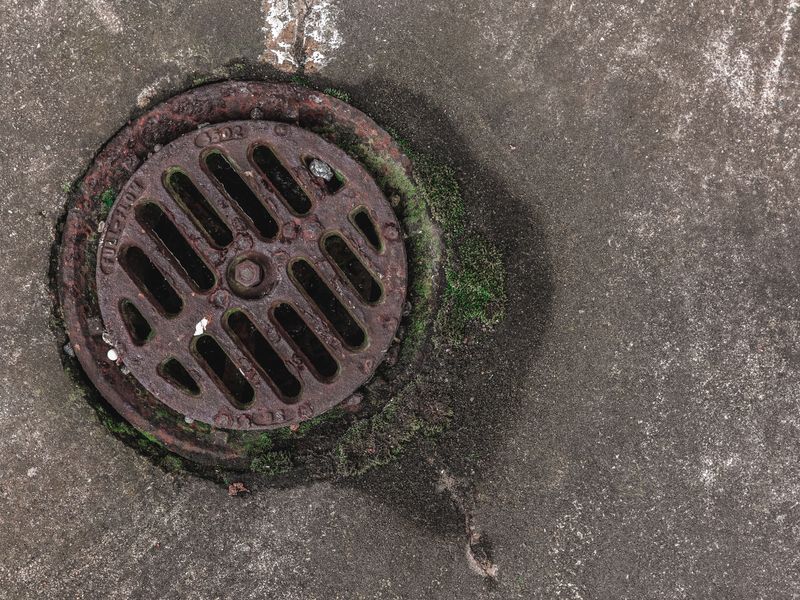
Check the drain cover. Drain covers accumulate lint, debris, and sediment. Removing and cleaning the cover monthly prevents gradual accumulation that eventually restricts flow.
RELATED: Tips for Keeping Your Drains Clear
Annual Professional Checks: Worth the Investment
Some maintenance tasks are genuinely best left to professionals, not because they’re dangerous, but because the diagnostic value of professional equipment justifies the cost.
Drain camera inspection. A camera run through the basement drain line and lateral sewer connection reveals the current condition of the pipe, root intrusion, cracking, offset joints, sediment accumulation, before any of those conditions have caused an emergency. For homes with mature trees near the sewer lateral, annual inspection is a sound investment. For others, every three to five years provides adequate monitoring.
Main sewer jetting. High-pressure water jetting clears accumulated grease, root intrusions, and sediment from the main sewer line. In homes where the sewer lateral runs under established landscaping, annual or biennial jetting is often more cost-effective than emergency rooter service.
Sump pump servicing. A professional sump pump service includes checking the float mechanism, testing the backup system if installed, inspecting the discharge line, and assessing the pump’s wear state. Sump pumps have a finite service life, typically seven to ten years with good maintenance, and identifying a pump approaching end of life before it fails prevents the scenario of a pump failing during the event it was installed to manage.
Understanding the common causes of a basement floor drain backup gives homeowners a much clearer sense of which preventative steps address which specific risks. Ninja HVAC also provides professional inspection and repair services for these issues, helping homeowners move from diagnosis to practical resolution when drainage problems become more serious.
Protecting Against Municipal Sewer Backup Specifically
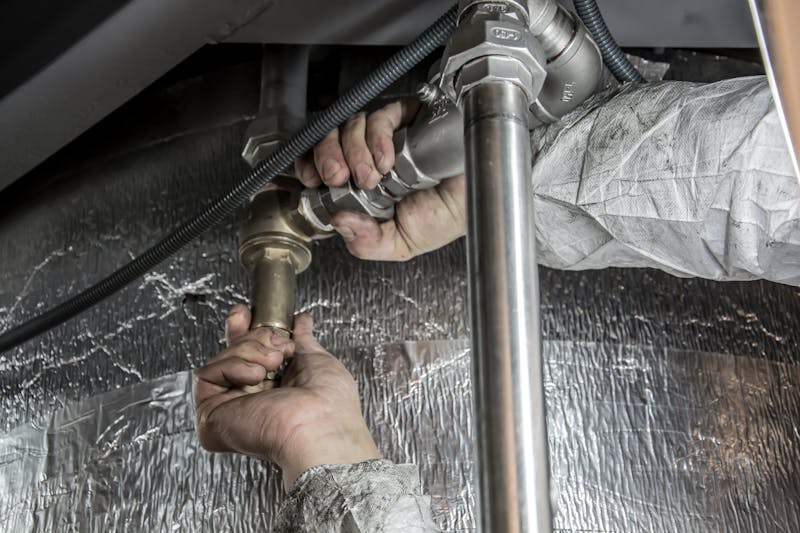
One of the most effective single investments a homeowner can make for basement drain protection is a backwater valve, a one-way valve installed on the sewer line that allows waste to flow out normally but prevents reverse flow from the municipal sewer system during overflow events.
Many municipalities offer rebates for backwater valve installation as part of stormwater management initiatives. Combined with proper sump management, a backwater valve addresses the external risk factor that internal maintenance alone cannot prevent.
When to Call a Professional Immediately
Preventative maintenance reduces risk but doesn’t eliminate it. Certain signs indicate professional attention is needed without waiting for the next scheduled check:
*Multiple slow drains throughout the house simultaneously
*Gurgling sounds from drains when toilets flush or appliances drain
*Sewage odour that persists after recharging the drain trap
*Any backup of water through the floor drain
*Sump pump that runs continuously without effectively lowering the pit level
These symptoms indicate an active problem that’s past the prevention stage, and prompt professional diagnosis produces significantly better outcomes than waiting to see if the issue resolves itself.
Conclusion
Basement drain maintenance is one of the lower-effort, higher-return preventative practices available to homeowners. The monthly habits are genuinely simple. The annual professional checks are relatively inexpensive. And the cost of the events they prevent, water damage, emergency plumbing, potential mold remediation, is significant.
Building these practices into your home maintenance calendar isn’t an optional extra. It’s the most sensible approach to a system that, when it works well, goes completely unnoticed — and when it fails, creates one of the most unpleasant domestic emergencies a homeowner can face.

Ellen is a busy mom of a 29-year-old son and 33-year-old daughter. She owns nine blogs and is addicted to social media. She believes that it doesn’t have to be difficult to lead a healthy life. She shares simple healthy living tips to show busy women how to lead fulfilling lives. If you’d like to work together, email info@confessionsofanover-workedmom.com to chat.
