
Last Updated on August 5, 2026 by Ellen Christian
Remote property ownership has become one of the most common real estate models worldwide. However, it does demand a level of preparation most landlords seriously underestimate.
Posts may be sponsored. This post contains affiliate links, which means I will make a commission at no extra cost to you should you click through and make a purchase. As an Amazon Associate I earn from qualifying purchases.
Just look at how it works in mature rental markets. In Denver, local ordinances and state laws like the Warranty of Habitability hold property owners strictly accountable for structural, electrical, and gas safety regardless of where they live.
This means Denver electricians and licensed contractors are essential elements of any remote owner’s maintenance plan. Greece may operate under different regulations, but the operational logic is identical. Distance is no excuse, and with the right systems in place, it doesn’t have to be a liability either.
This article will discuss how to maintain your Greek rental property remotely, without the stress, guesswork, or last-minute flights.
Set Up a Trusted Local Point of Contact
Managing a property remotely works best when someone reliable is physically present to handle things on the ground. This person is going to act as your eyes, ears, and first response system all rolled into one.
Greece’s rental market has been drawing serious international attention lately. Foreign direct investment in Greek real estate climbed to around 2.75 billion euros in 2024, nearly 29% higher than the previous year.
More overseas landlords are entering this market every month. But the ones who get this right early on are almost always the ones with a trusted local contact already locked in. This could be a property manager, a long-term neighbour, or a vetted local agent who checks in regularly.
The point is simple here. When something needs attention, someone who knows the property, the area, and the local contractors needs to be able to respond right away. This way, you wouldn’t be scrambling across time zones to figure the basics out.
RELATED: Common reasons to file a partition action
Be Fully Aware of Greek Tenancy Laws
Greek rental law is not complicated once you know what to look for. So let’s skim through the parts that affect you as a remote landlord. Residential leases in Greece carry a mandatory minimum duration of three years, even if the contract originally states a shorter term.
This means once a tenant is in, they have legal protection for that full period, regardless of what the paperwork says. As a landlord, you are responsible for keeping the property structurally sound, and maintaining plumbing, heating, and electrical systems. You will also have to cover any taxes or charges tied to the lease.
Every lease also needs to be formally declared through Taxisnet, which is Greece’s official tax authority portal. Plus, both parties need a Greek Tax Identification Number (AFM) to do this properly.
Since January 2024, any rental agreement lasting 60 days or more is classified as a long-term rental and falls under standard tenancy regulations. Getting a local lawyer to review your lease before signing anything is one of the smartest moves you can make from abroad.
Schedule Preventive Property Inspections
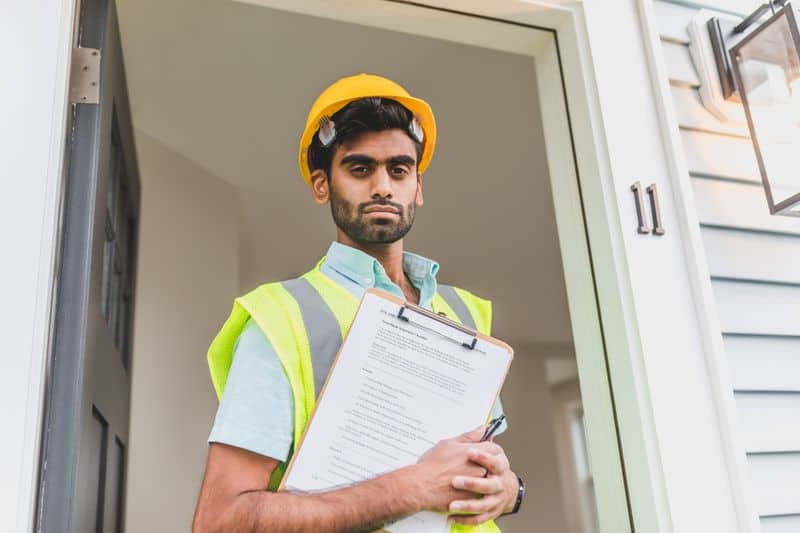
Reactive maintenance is almost always more expensive than preventive maintenance. When you are managing a property remotely, the cost difference can make your frown even deeper. Scheduling thorough inspections twice a year gives you a structured window to catch small issues while they are still small.
Start with the structure itself, roof, walls, exterior drainage, and any communal areas, since Greece’s coastal climate and humid winters can be surprisingly tough on older building materials. Plumbing and water systems come next, particularly in properties that sit vacant during the off-season. That’s because pipes and seals tend to deteriorate faster without regular use.
Electrical inspections come next. Most well-maintained homes need a full electrical check every three to five years, notes Table Mountain Electric. Older properties, especially pre-1990s builds common across Greek islands and rural areas, will benefit from an annual review.
From there, work through heating and cooling units, window and door seals, and any outdoor fixtures exposed to saltwater air. Make sure your local contact walks through the property with a standardised checklist each time. Photographs everything and sends you a clear written report within 24 hours of the visit.
Use Technology to Monitor and Manage Your Property Remotely
Managing a Greek property from abroad used to mean having a constant low-level anxiety about what might be going wrong while you were not there. That is largely a thing of the past now, and AI is a big reason why.
Smart property platforms today do not just log maintenance requests. They predict them. AI-powered tools can flag unusual utility consumption, detect moisture anomalies through connected sensors, and automatically schedule contractor visits before a small issue becomes a costly one.
Remote-controlled locks, security cameras, and leak detectors give you real-time visibility into your property without anyone needing to be physically present.
For landlords considering the short-term rental route on platforms like Airbnb, the AI angle becomes even more compelling. Airbnb CEO Brian Chesky recently told CNBC, “From a business standpoint, I think AI is the best thing that ever happened to Airbnb.”
The confidence is showing up in the tools available to hosts right now. This includes AI-driven pricing optimization and automated guest messaging to smart check-in systems that need zero human involvement.
Whether you are running a long-term tenancy or a seasonal rental on a Greek island, the right technology setup means your property keeps working for you around the clock.
FAQs
1. Do I need to be physically present in Greece to manage my rental property?
No. With a reliable local contact, a property manager, and the right digital tools, you can manage everything remotely quite effectively.
2. What is the minimum lease duration for a residential rental in Greece?
Greek law mandates a minimum three-year lease for residential properties, even if the signed contract states a shorter term.
3. Do I need a Greek Tax Identification Number as a foreign landlord?
Yes. Both landlords and tenants need a Greek Tax Identification Number, known as an AFM, to legally register any lease through Taxisnet.
Key Facts Every Remote Landlord in Greece Should Know
| Topic | Key Data Point |
| Foreign Investment in Greek Real Estate | Hit 2.75 billion euros in 2024, up nearly 29% from 2023 |
| Minimum Residential Lease Duration | Three years under Greek law, regardless of what the contract states |
| Long-Term Rental Classification | Any tenancy of 60 days or more qualifies as long-term as of January 2024 |
| Electrical Inspection Frequency | Every 3 to 5 years for standard homes, annually for older properties |
Distance Was Never Really the Problem
The truth is, location has very little to do with how well a rental property performs. Communication does. The right people on the ground do. Remote landlords all over the world are running tight, profitable, well-maintained properties in Greece right now. There is absolutely no reason yours cannot be one of them.
Keep things simple, stay proactive, and do not be afraid to lean on the tools and people available to you. Lastly, give yourself a little credit for taking this topic seriously enough to read this far.

Ellen is a busy mom of a 29-year-old son and 33-year-old daughter. She owns nine blogs and is addicted to social media. She believes that it doesn’t have to be difficult to lead a healthy life. She shares simple healthy living tips to show busy women how to lead fulfilling lives. If you’d like to work together, email info@confessionsofanover-workedmom.com to chat.
