
Last Updated on October 7, 2026 by Ellen Christian
Anyone researching options to fix a chipped tooth, close a small gap, or improve the overall look of their smile eventually runs into the same decision: veneers or bonding. Both can produce beautiful results, but they work very differently, and choosing between them isn’t something most patients can confidently figure out on their own.
Posts may be sponsored. This post contains affiliate links, which means I will make a commission at no extra cost to you should you click through and make a purchase. As an Amazon Associate I earn from qualifying purchases.
Cosmetic concerns like these are more common than many people realize. According to the National Institute of Dental and Craniofacial Research, dental caries remains the most common chronic disease among both children and adults in the United States, despite being largely preventable, which is part of why so many adults eventually seek cosmetic solutions to repair or improve the appearance of teeth affected over the years. For patients in NYC, working with the right dentist is what turns that decision from confusing into clear.
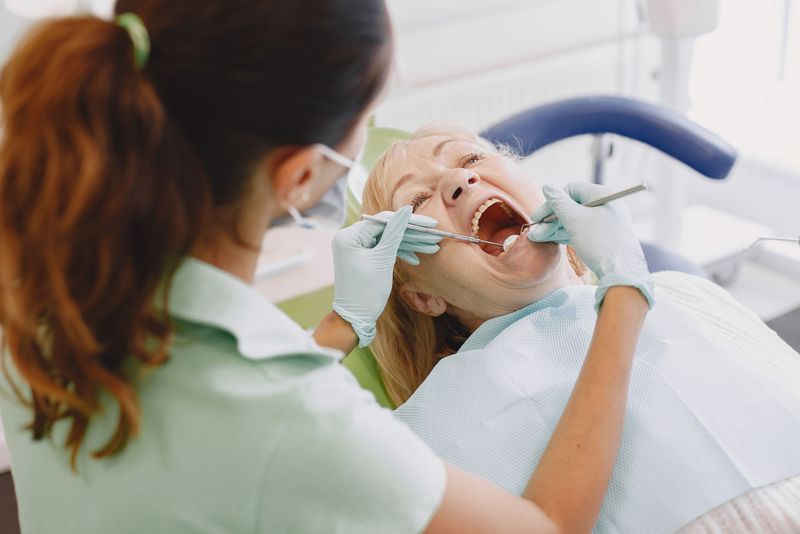
Choosing Between Veneers and Bonding
On the surface, veneers and bonding might seem like interchangeable options; both are cosmetic treatments designed to improve how teeth look. But they differ significantly in cost, longevity, the amount of natural tooth structure involved, and the kind of results each can realistically achieve. Without professional guidance, it’s easy for patients to choose based on price alone, without fully understanding what they’re trading off in the process.
This is exactly the kind of decision where independent research only goes so far. General information found online can explain the basic differences, but it can’t account for the specific condition of a patient’s teeth, their bite, or their long-term goals, all of which meaningfully affect which option actually makes sense.
RELATED: How to build better oral health habits
Evaluating the Condition of the Natural Tooth First
Before recommending either option, a dentist starts by closely examining the condition of the tooth or teeth in question. Bonding, which uses a composite resin applied directly to the tooth, works well for minor chips, gaps, or discoloration where the underlying tooth structure is otherwise healthy. Veneers, which involve a thin shell placed over the front of the tooth, are often better suited for more extensive cosmetic changes or teeth with more significant wear.
This initial evaluation is something patients simply can’t do accurately on their own, since it requires professional assessment of enamel condition, bite alignment, and the tooth’s overall structural health.

Weighing Longevity Against Long-Term Cost
Bonding is generally more affordable upfront but tends to wear down faster, often requiring touch-ups or replacement within several years. Veneers cost more initially but typically last significantly longer with proper care. A dentist helps patients think through this trade-off not just in terms of immediate budget, but in terms of long-term value over the years, the treatment is expected to last.
This kind of cost-versus-longevity conversation is where professional guidance becomes especially valuable, since patients often underestimate how quickly the cost of repeated bonding touch-ups can add up compared to a single, longer-lasting veneer investment.
Considering How Much Natural Tooth Structure Is Involved
Veneers typically require a small amount of enamel to be removed to properly fit the shell, making the process less reversible than bonding, which is applied directly without significantly altering the natural tooth. For patients who feel strongly about preserving as much natural tooth structure as possible, this consideration alone can be the deciding factor between the two treatments, regardless of cost or longevity differences.
An experienced NYC dentist walks patients through this distinction clearly, since it’s one of the more significant, and often overlooked, differences between the two options. Prosth & Co. is one option where patients can get a detailed, professional explanation of exactly how much of the natural tooth would be involved in either treatment path before making a final decision.
Matching the Treatment to the Patient’s Actual Goals
Beyond the clinical details, a dentist also helps patients clarify what they’re actually hoping to achieve. Someone looking to fix a single small chip has very different needs than someone hoping to transform their entire smile, and the right treatment depends as much on the scope of the goal as on the condition of the teeth themselves. A patient chasing a subtle fix and one chasing a dramatic transformation may be considering the same two options but land on very different recommendations once that goal is actually understood.
This kind of goal-setting conversation ensures the final recommendation isn’t just clinically appropriate but genuinely aligned with what the patient is hoping to see when they look in the mirror afterward. Skipping this step is often why a technically well-done treatment still leaves someone feeling like the result wasn’t quite what they had in mind.

Questions Patients Should Bring to a Consultation
A few direct questions can help patients get the most out of a cosmetic dentistry consultation, rather than leaving with more uncertainty than they arrived with.
- How much of my natural tooth structure would be affected by each option? Understanding this upfront clarifies how reversible or permanent each choice actually is
- What is the realistic lifespan of each treatment with proper care? knowing what to expect years down the line, not just immediately after treatment
- Which option better matches the specific look I’m hoping to achieve? connecting the clinical details back to the actual aesthetic goal driving the decision
- What would happen if I needed a repair or replacement later? understanding the long-term maintenance path before committing to either option
- Is my dental history a factor in which option is recommended? grinding, prior dental work, or gum health can all influence which treatment is genuinely suitable
Bringing these questions into the conversation helps ensure the final decision reflects both professional guidance and personal priorities, rather than one at the expense of the other. A dentist willing to answer all five clearly and specifically is one worth trusting with the decision itself.
Conclusion
Choosing between veneers and bonding isn’t a decision most people can make confidently on their own, and that’s exactly why professional guidance matters so much. The two treatments look similar in photos and get discussed interchangeably online, but the real differences in cost, permanence, durability, and suitability for a specific smile only become clear through an actual clinical evaluation.
A thorough assessment, an honest conversation about cost and longevity, and a clear understanding of what each treatment actually involves are what transform an uncertain choice into one a patient can feel genuinely confident about. The right decision isn’t the one that sounds best in an article or looks best in someone else’s before-and-after photos; it’s the one built around a specific patient’s teeth, habits, and goals. That’s the kind of clarity only a real consultation can provide.

Ellen is a busy mom of a 29-year-old son and 33-year-old daughter. She owns nine blogs and is addicted to social media. She believes that it doesn’t have to be difficult to lead a healthy life. She shares simple healthy living tips to show busy women how to lead fulfilling lives. If you’d like to work together, email info@confessionsofanover-workedmom.com to chat.
