
Last Updated on August 6, 2026 by Ellen Christian
Owning vacant land can feel like a valuable long-term asset, but holding onto a property longer than necessary is not always the most profitable decision. Many landowners assume that waiting several more months will automatically lead to a better offer, especially if they believe market conditions may improve. However, delaying the sale of your land can lead to unexpected expenses and missed opportunities, reducing the overall value of your investment. Understanding the potential costs of waiting can help you make a more informed decision about when to sell.
Posts may be sponsored. This post contains affiliate links, which means I will make a commission at no extra cost to you should you click through and make a purchase. As an Amazon Associate I earn from qualifying purchases.
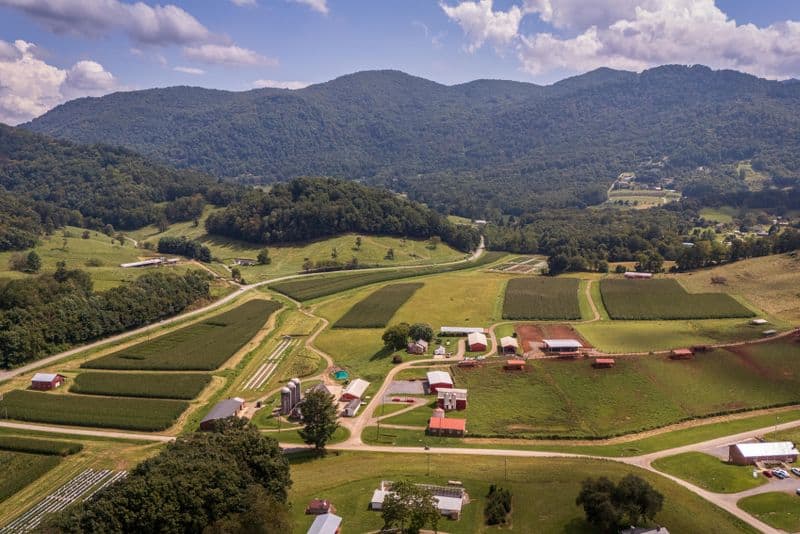
The Hidden Costs of Holding Vacant Land
One of the biggest misconceptions about vacant land is that it costs nothing to keep. In reality, ownership often comes with ongoing expenses. Property taxes, association fees, maintenance costs, and occasional cleanup requirements can add up over time. Even if these expenses seem manageable month to month, they can become significant when accumulated over several months or years.
Landowners who delay selling may find themselves spending hundreds or even thousands of dollars simply to maintain ownership. These carrying costs can quietly reduce the financial benefit of waiting for a higher offer.
Market Conditions Can Change Quickly
Real estate markets are constantly evolving. Factors such as interest rates, local development trends, economic conditions, and buyer demand can all influence land values. While some owners wait in hopes of receiving a better offer in the future, there is no guarantee that market conditions will improve.
A property that attracts strong interest today may receive less attention months later if buyer demand slows. Waiting too long could result in fewer inquiries, longer marketing periods, and potentially lower offers than what may have been available earlier.
Opportunity Costs Are Often Overlooked
Another important factor to consider is opportunity cost. The money tied up in an unsold property cannot be used elsewhere. Whether your goal is paying down debt, investing in another opportunity, building savings, or funding a personal project, keeping your land off the market may delay those plans.
For many sellers, converting an unused property into available cash creates opportunities that provide greater value than continuing to hold the land. Even if the land appreciates slightly over time, the financial benefits of using those funds elsewhere may
Waiting too long to sell your land can result in ongoing expenses, missed financial opportunities, and uncertainty about future market conditions. Every month of ownership may bring additional costs that reduce your overall return, making it important to carefully evaluate your options. If your goal is to sell land fast, acting sooner rather than later may help you avoid unnecessary holding costs and move forward with your financial plans. Taking the time to research reputable resources and experienced land-buying companies can help you better understand the selling process and make a confident, informed decision.

Ellen is a busy mom of a 29-year-old son and 33-year-old daughter. She owns nine blogs and is addicted to social media. She believes that it doesn’t have to be difficult to lead a healthy life. She shares simple healthy living tips to show busy women how to lead fulfilling lives. If you’d like to work together, email info@confessionsofanover-workedmom.com to chat.
