
Last Updated on October 7, 2026 by Ellen Christian
If you’re trying to feel healthier overall, your mouth deserves a spot in the conversation. Oral health affects more than your smile. It can shape your comfort, confidence, sleep, and even how easily you eat and speak. If you live in a city like Los Angeles, where packed schedules and convenience foods are everywhere, it’s easy for dental care to slide into autopilot. A few smarter habits can change that without turning your bathroom into a science lab.
Posts may be sponsored. This post contains affiliate links, which means I will make a commission at no extra cost to you should you click through and make a purchase. As an Amazon Associate I earn from qualifying purchases.
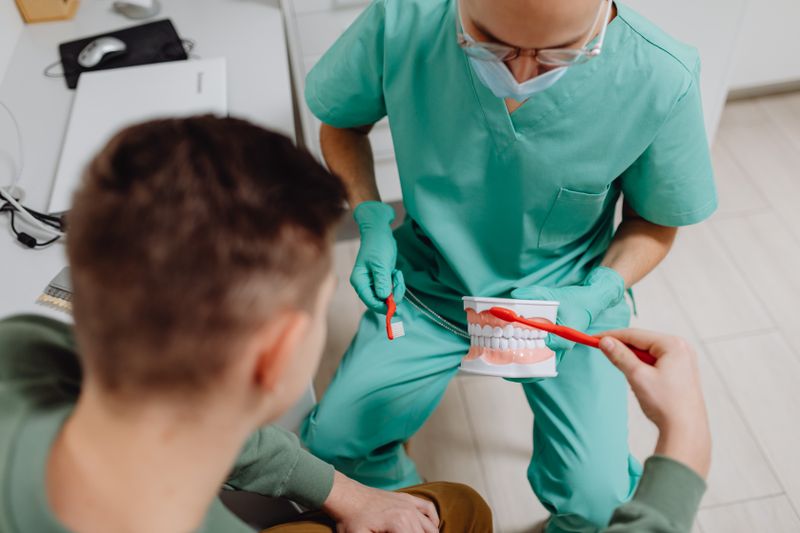
Start With the Basics You Actually Need
A solid oral care routine doesn’t need ten products and a color-coded checklist.
You need consistency more than complexity. Brushing twice a day with fluoride toothpaste and flossing once a day still does most of the heavy lifting. If you rush through either one, though, you’re basically sending your teeth a polite memo instead of real support.
Keep these basics in place:
– Brush for two full minutes
– Use a soft-bristled toothbrush
– Replace your brush every three months
– Floss before bed
– Clean your tongue regularly
Your tongue can hold onto bacteria that contribute to bad breath, which is not exactly a personality trait you want to lead with. A simple tongue scraper or even your toothbrush can help. Small habits done daily beat ambitious routines you quit by Thursday.
Don’t Treat Dental Visits Like Emergency-Only Events
A lot of people wait until something hurts before making an appointment.
That approach sounds practical until a tiny cavity turns into a root canal situation. Preventive care is usually faster, cheaper, and much less dramatic. Regular exams and cleanings can catch decay, gum problems, worn fillings, and bite issues before they become a production.
If you’re looking for personalized treatment options from an experienced LA dentist, it helps to choose a provider who offers a full range of services such as preventive care, cosmetic dentistry, porcelain veneers, dental implants, and smile design. In a place like Los Angeles, where appearance and first impressions often carry extra weight, many people want care that supports both function and aesthetics.
Routine visits also make it easier to ask questions you’ve been putting off, including whether whitening, restorations, or night guards make sense for your situation.
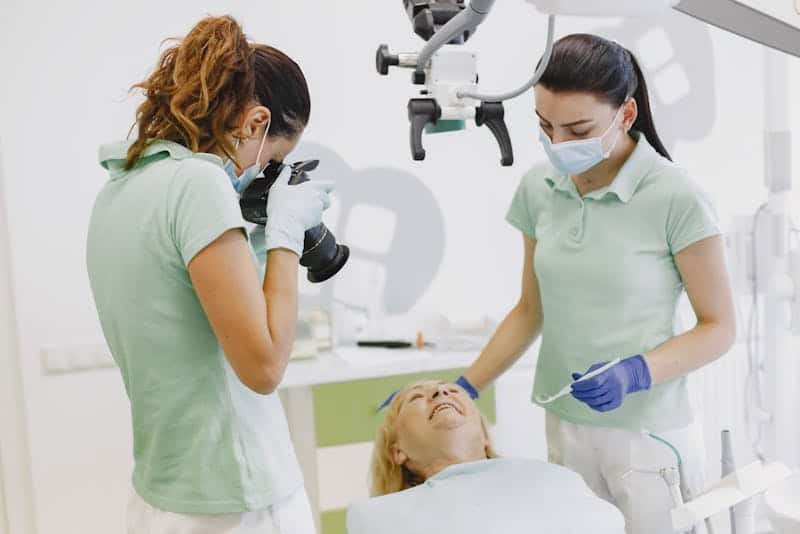
Pay Attention to What Your Mouth Is Telling You
Your mouth usually gives warnings before a bigger dental problem shows up.
Bleeding gums, constant bad breath, tooth sensitivity, jaw tension, and dry mouth aren’t random annoyances. They can point to issues like gum inflammation, enamel wear, grinding, or side effects from medication. Ignoring them tends to make treatment more expensive and less pleasant later.
Watch for signs such as:
– Gums that bleed when you floss
– Pain when drinking something hot or cold
– Clicking or soreness in your jaw
– Mouth sores that don’t heal
– Frequent morning headaches from grinding
If something feels off for more than a week or two, get it checked. That includes cosmetic concerns too. Chips, discoloration, or uneven teeth may seem minor, but they can affect how you chew and how confident you feel in everyday conversations.
Your Diet Has More Influence Than You Think
You don’t need a perfect diet for healthy teeth, but you do need to know what causes trouble.
Sugar feeds bacteria that produce acids, and those acids attack enamel. Acidic drinks like soda, sports drinks, energy drinks, and even lemon water can also wear enamel down over time. Sipping them slowly across the day keeps your teeth under constant pressure.
A smarter approach looks like this:
– Drink water after sugary or acidic foods
– Save sweets for mealtimes instead of constant snacking
– Choose crunchy produce like apples and carrots
– Include calcium-rich foods when possible
– Limit late-night grazing
Frequent snacking matters because your mouth gets less time to recover. Saliva helps neutralize acids, but it needs a break to do its job. Think of saliva as your built-in cleanup crew. It works hard, but it shouldn’t have to pull a double shift every day.
Understand the Link Between Oral Health and Whole-Body Health
Your mouth is not separate from the rest of your body, even if it sometimes gets treated like an isolated project.
Gum disease has been associated with broader health concerns, including inflammation throughout the body. Poor oral health can also make eating uncomfortable, which affects nutrition. If your teeth hurt, you’re more likely to avoid certain foods and lean toward softer processed choices.
There’s also a mental side to this. People who feel self-conscious about their teeth often smile less, speak less freely, or avoid photos and social situations. That can chip away at confidence over time.
Good oral health supports:
– Comfortable eating
– Clearer speech
– Better breath
– More confidence in social settings
– Less risk of preventable dental pain
It’s not just about looking polished. It’s about feeling at ease in your own face, which is a pretty useful asset in school, work, and daily life.
Build a Routine That Works on Busy Days Too
The best routine is the one you can keep doing when life gets messy.
You’re not always going to have a calm morning and an unhurried evening. Some days are cereal-in-a-cup chaotic. That’s exactly when simple systems matter. Keep floss picks in your bag, toothpaste in a travel size, and water nearby if you tend to snack often.
Make your routine easier to follow with practical moves:
– Set a nightly reminder on your phone
– Keep oral care products visible, not buried in a drawer
– Use an electric toothbrush if timing is a struggle
– Wear a night guard if you clench or grind
– Schedule your next dental visit before leaving the office
You can also stack habits. Brush right after showering or floss while your skincare products sit for a minute. Pairing actions makes them more automatic. Healthy routines usually stick when they fit your life instead of fighting it.
Know When Cosmetic Care Has a Functional Benefit
Cosmetic dentistry gets dismissed sometimes as something purely visual, but that misses part of the story.
Fixing worn, cracked, misaligned, or missing teeth can improve bite alignment, comfort, and long-term stability. Veneers, bonding, crowns, and implants may enhance appearance, but they can also protect tooth structure or restore function. The goal isn’t vanity for vanity’s sake. It’s often about making your smile stronger, more balanced, and easier to maintain.
That matters if you grind your teeth, hide your smile, or deal with older dental work that no longer fits well. Looking better can be a side effect of restoring what wasn’t working properly in the first place.
A healthier smile often starts with practical choices, not dramatic ones. Brush well, eat with intention, pay attention to warning signs, and get professional care before problems start auditioning for a bigger role.

Ellen is a busy mom of a 29-year-old son and 33-year-old daughter. She owns nine blogs and is addicted to social media. She believes that it doesn’t have to be difficult to lead a healthy life. She shares simple healthy living tips to show busy women how to lead fulfilling lives. If you’d like to work together, email info@confessionsofanover-workedmom.com to chat.
