
Last Updated on February 25, 2026 by Ellen Christian
A basement office changes the way a house functions. It creates distance from the kitchen noise, from deliveries at the front door, from the casual drift of daily life upstairs. This separation can feel powerful, but only if the space is built with intention. Otherwise, it becomes a cold room with a desk in it.
Posts may be sponsored. This post contains affiliate links, which means I will make a commission at no extra cost to you should you click through and make a purchase. As an Amazon Associate I earn from qualifying purchases.
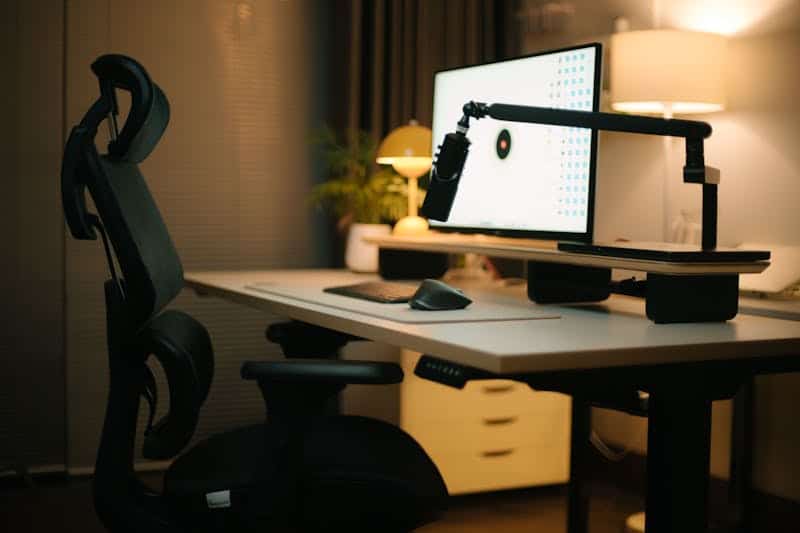
Turning Your Basement into a Productive Home Office Space
In Arlington Heights, IL, basements already play a practical role in the home. They hold storage, laundry, and mechanical systems. Turning that same space into a professional environment means rethinking it completely. Winters run cold, summers carry humidity, and daylight is limited below grade. A productive office here depends on solving those realities first, then layering in design.
Start with Structural and Environmental Readiness
A basement office cannot succeed if the room still behaves like a storage level. Moisture along foundation walls, uneven subfloors, exposed framing, or outdated wiring will always pull attention away from work. The first step is making the space feel finished in a true sense, which means it must be insulated, sealed, leveled, and stable. Many homeowners in Arlington Heights bring in experienced teams such as Matrix Basements at this stage, not for decoration, but for infrastructure.
Proper framing, upgraded insulation, integrated lighting wiring, and subfloor systems make the room feel dry and grounded year-round. Once the air feels consistent and the floors feel solid underfoot, the space stops feeling temporary. Looking up https://www.matrixbasements.com/basement-finishing-chicago-il/arlington-heights/ allows homeowners to get timely advice from the experts.
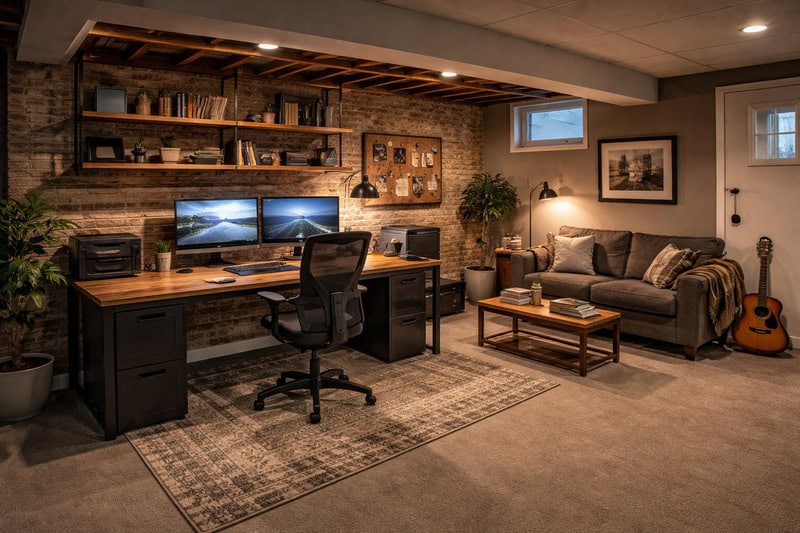
Install Layered Lighting for Task Versatility
Basements rarely benefit from generous daylight. Overhead lighting alone often feels harsh and flat, especially during long workdays. Light in a basement office needs to feel considered.
Recessed ceiling lights can provide even coverage, but task lighting brings focus where it’s needed. A directional desk lamp with a warm tone balance reduces eye fatigue during screen time.
Soft wall lighting behind shelving prevents the room from feeling boxed in. If there is a window, placing the desk perpendicular to it helps avoid glare while still capturing natural light. Thoughtful layering turns a below-grade room into a space that feels steady and composed.
Optimize Ceiling Design for Openness
Ceilings define how confined a basement feels. Dropped grids with visible panels often shrink the room visually. Leaving everything exposed without intention can feel unfinished. The goal is to create height without losing access to utilities.
In many modern basement offices, exposed ceilings painted in a single light tone give a sense of lift. Ductwork blends into the background instead of dominating the room. In other cases, slim drywall soffits are built to conceal mechanical lines in straight runs, creating clean geometry overhead.
RELATED: Home Office Ideas for Small Spaces
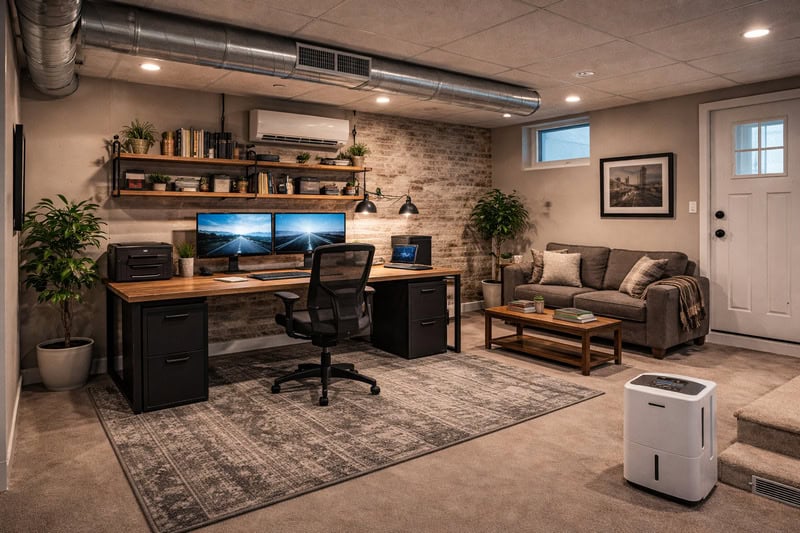
Incorporate Climate Control Solutions
Comfort in a basement shifts with the seasons. In winter, floors can feel cool, and air can become dry. In summer, humidity may linger longer below ground. A productive workspace cannot fluctuate dramatically in temperature.
Extending HVAC vents into the office, adding return air flow, or installing a dedicated mini-split system creates consistency. In regions where seasonal shifts are pronounced, balanced airflow keeps the space comfortable through long stretches of focused work. Adding a discreet dehumidifier during warmer months protects electronics and keeps the air feeling fresh. Stability in temperature often translates directly into stability in concentration.
Plan Electrical Layout Around Workflow
A basement office usually carries heavier tech demands than a spare bedroom workspace. Dual monitors, charging stations, printers, routers, and video lighting setups all compete for outlets. Extension cords running across the floor quickly undermine the sense of professionalism.
Planning outlet placement before drywall goes up makes a noticeable difference. Installing outlets slightly above desk height hides cords behind furniture. Floor outlets work well for desks positioned away from walls. Dedicated circuits prevent interruptions during video calls. Clean wiring supports focus. When technology disappears into the design, the room feels calm and capable.
RELATED: Work at home productivity tips
Define Work Zones Within the Basement
A basement office benefits from a subtle structure. Even if the entire level is open, it should not feel like one large, undefined room with a desk dropped in the middle. Defining zones creates mental separation, which helps productivity.
The primary desk area should anchor the space. Position it where the ceiling height feels strongest and where lighting can be controlled. A secondary corner can serve as a planning area with a smaller table or a standing desk. If square footage allows, placing a reading chair near a window well or light source creates a natural pause zone. Rugs, lighting changes, or slight furniture shifts are enough to signal transitions without building full walls.
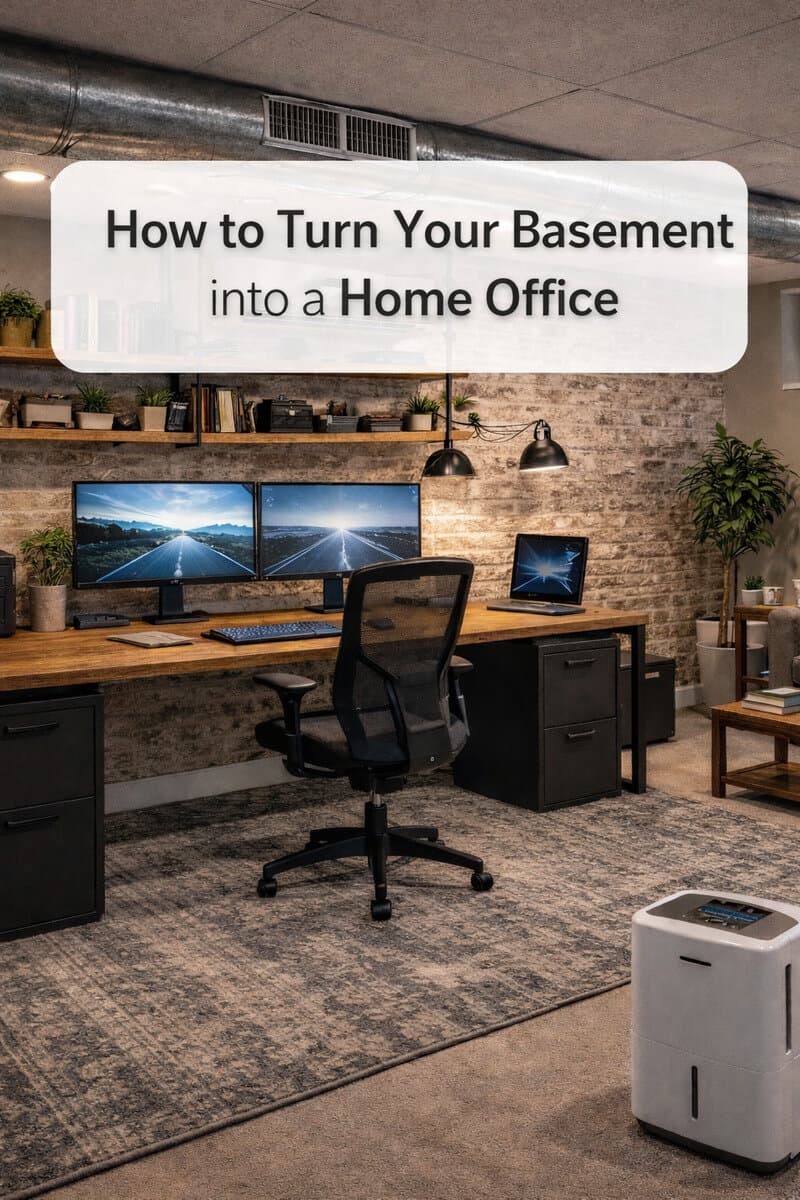
Elevate Wall Finishes for Professional Appeal
Unfinished basement walls carry a certain energy — exposed concrete, visible seams, uneven surfaces. This backdrop never fully supports focused work. Finishing walls properly changes how the room feels immediately.
Smooth drywall in a calm, neutral tone reflects light evenly and gives the space maturity. Subtle panel molding or vertical wood slats can add texture without overwhelming the room. Built-in shelving recessed into one wall creates depth and storage at the same time. Once the walls feel intentional, the office stops feeling like it lives below the house and starts feeling like it belongs within it.
Design for Sound Control and Privacy
Basements naturally reduce street noise, but sound from the rest of the house can still filter down. Footsteps overhead, plumbing movement, or HVAC vibration can interrupt concentration during important calls.
Insulating the ceiling cavity before finishing it makes a noticeable difference. Solid-core doors help contain sound inside the office. Soft materials such as area rugs, upholstered seating, and fabric panels absorb echo, which improves audio quality on video meetings.
Create a Strong Visual Background for Virtual Meetings
Video calls have turned home offices into public-facing environments. What appears behind you shapes how others perceive your workspace. A cluttered storage rack or blank wall rarely communicates focus. A built-in bookshelf styled with restraint adds depth without distraction.
Framed art in muted tones keeps the background steady. Soft accent lighting placed behind or beside the camera position prevents harsh shadows on the wall. Even something as simple as aligning shelves and décor symmetrically creates visual order.
Use Glass Partitions to Maintain Openness
If the basement is large enough to support multiple functions, dividing space becomes important. Traditional framed walls can make the level feel closed off. Glass partitions offer separation while preserving light flow.
A glass wall with a slim black frame can enclose the office zone while still allowing the rest of the basement to feel connected. Frosted panels add privacy without eliminating brightness. This solution works well in homes where basements often serve multiple roles.
A productive basement office is built from the ground up. Structural preparation, steady lighting, thoughtful zoning, and controlled acoustics shape how the space performs each day. When the
basement is treated as a serious workspace rather than an afterthought, it supports focus with quiet confidence, and the rest of the house regains its balance.

Ellen is a busy mom of a 29-year-old son and 33-year-old daughter. She owns nine blogs and is addicted to social media. She believes that it doesn’t have to be difficult to lead a healthy life. She shares simple healthy living tips to show busy women how to lead fulfilling lives. If you’d like to work together, email info@confessionsofanover-workedmom.com to chat.
