
Last Updated on November 4, 2026 by Ellen Christian
Basement flooding usually occurs during the spring season due to its underground position, where snowmelt accumulates. The combination of rain and melting snow can flood the lower level within just a few hours.
Posts may be sponsored. This post contains affiliate links, which means I will make a commission at no extra cost to you should you click through and make a purchase. As an Amazon Associate I earn from qualifying purchases.
Quick draining is necessary to minimize the risks of damaging the walls, floor, or wooden structure. Professional restoration companies specializing in flood cleanup, like Grand Forks disaster cleanup & restoration services, can provide water extraction services and dry out the property. This article discusses how floods occur at the seasonal level and what services may be included in the process of professional restoration.
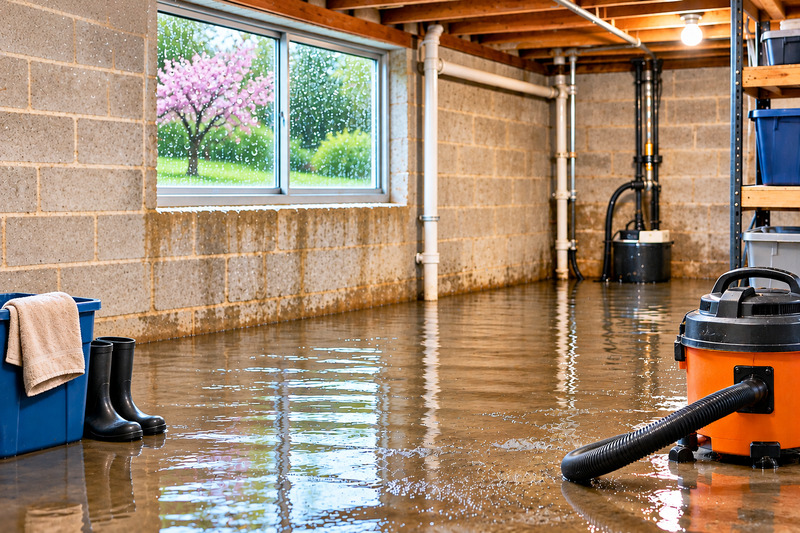
How Seasonal Floods Reach the Basement
Basement walls are underground, meaning water-filled soil surrounds the basement walls. In cold climates, frozen topsoil makes it difficult for the lawn to absorb the melting snow; thus, the extra water accumulates around the basement walls.
Hydrostatic pressure is the pressure exerted by this trapped groundwater against the exterior surface of the concrete. It causes the water to pass through any foundation crack and cove joint, which is the joint between the basement wall and the floor. The floor drain can become clogged if the sewer lines overflow in the area.
According to the National Flood Insurance Program’s flood prevention guidelines, installing water alarms and maintaining sump pumps with battery backups can help homeowners reduce the risk of basement flooding and costly water damage.
What Floodwater Leaves Behind in a Lower Level
Two factors shape the damage in a flooded basement: the contamination level of the water plus the moisture left inside building materials.
Contamination Levels Shape the Cleanup Plan
Restoration professionals sort water damage into three categories based on the source of the water.
Category 1: This is clean water from a sanitary source, such as a burst supply line.
Category 2: This water carries contamination that may cause illness after contact or ingestion. It is also called gray water, with washing machine overflow as a common example.
Category 3: This is the most contaminated type, also known as black water. It may carry sewage, bacteria, or chemical residue. Floodwater from rivers, surface runoff, or a sewer backup falls into this group because it picks up contaminants on its way in.
Conversely, even clean water may be able to upgrade to a higher level depending on how long it remains stagnant or its contact with unclean objects. The water level determines how the crew sanitizes the space.
Dampness Travels Past the Visible Waterline
Water tends to rise due to the porous nature of the core of the drywall, thus making the wetness go higher than the flooded level. Carpet padding absorbs water even when the surface of the carpet is dry.
The formation of mold starts after 24-48 hours of a flood event. It takes several days to accomplish drying, especially when the basement is flooded deeply. It is crucial to commence water extraction as soon as you have access to the room.
Safety Checks to Complete Before Any Cleanup
The dangers associated with flooding in the basement have to be addressed before the cleaning process begins. No one should walk into the flooded area until it is established that the electricity supply to the basement is off. This can be achieved by having an electrician switch off the electricity in case it is connected through the flooded areas. A furnace or a hot water heater that was submerged in water has to be inspected by a technician.
Category 3 water requires the use of rubber boots, waterproof gloves and eye protection while handling. Bulging walls or the presence of new foundation cracks will require that the area remain closed until it is checked by a professional. Once these hazards are addressed, a small amount of clean Category 1 water may be manageable using a wet/dry vacuum connected to a dry outlet above ground.
Signs a Basement Needs Professional Restoration
Water depth is not the only deciding factor that determines whether it is necessary to contact professionals. These conditions indicate that it is time to seek expert advice.
- The water source was a river, surface water, or a backed-up sewage line.
- Water has made its way into outlets, the electrical panel, or fuel-consuming equipment.
- Wallboard, insulation, or carpeting soaked up water in multiple rooms.
- The carpet or wallboard remains wet even when a fan and/or a dehumidifier are operating.
- A musty odor persists after the standing water has been drained out.
Only one of these symptoms alone is enough to require the assistance of a restoration firm.
What a Restoration Crew Does on Arrival
A trained technician starts with an assessment, using moisture meters to check the water content inside drywall, wood, or concrete. Where hidden moisture is suspected, a thermal camera can show damp areas as cooler zones. The exact plan depends on the water category plus the type of materials affected.
- Water will be vacuumed out of the flooded floors using pumps or truck-mounted extractors.
- The wet carpet pad, drywall, or insulation is stripped out if contamination makes a dry-out unsafe.
- Drying of the affected area will take several days with use of air movers and commercial dehumidifiers.
- Surfaces contaminated by either Category 2 or 3 water will be cleaned using an antimicrobial cleaner.
- Finally, a moisture reading will confirm that everything is dried before rebuilding.
Crews usually keep photos plus a daily moisture log, which can support an insurance claim.
Common Questions About Basement Flood Restoration
How Long Does a Basement Dry-Out Take?
Many basement dry-outs take three to five days. Large spaces or deep water can extend that timeline.
Can Wet Carpet Be Saved After a Flood?
Carpet soaked with clean Category 1 water can sometimes be dried in place. Carpet exposed to Category 3 floodwater is generally removed for safety.
Meltwater during the spring season may seep into the basement within hours after the soil becomes saturated. A good way to start is checking for any electrical or structural risks, then removing the excess water right away. Having a professional team do the cleanup ensures proper handling based on the water type.
Regular maintenance can help reduce the risk of basement flooding, so be sure to follow these tips for preventing basement drain problems to help protect your home from unexpected water damage.
Basement Flood Prevention Supplies Worth Having
My top product categories would be:
-
Water leak detectors: Alert homeowners to water near basement appliances, pipes, or sump pumps.
-
Sump pump battery backup systems: Help keep compatible sump pumps operating during power outages.
-
Waterproof storage bins: Help protect belongings from minor water intrusion.
-
Hygrometers: Help monitor basement humidity after cleanup.

Ellen is a busy mom of a 29-year-old son and 33-year-old daughter. She owns nine blogs and is addicted to social media. She believes that it doesn’t have to be difficult to lead a healthy life. She shares simple healthy living tips to show busy women how to lead fulfilling lives. If you’d like to work together, email info@confessionsofanover-workedmom.com to chat.
