
Last Updated on November 4, 2026 by Ellen Christian
A home’s plumbing does its work out of sight, behind walls, under sinks, below floors. Small problems such as a slow drip or a loose fitting can go unnoticed for months. A yearly maintenance visit gives homeowners a regular, planned look at the whole system.
Posts may be sponsored. This post contains affiliate links, which means I will make a commission at no extra cost to you should you click through and make a purchase. As an Amazon Associate I earn from qualifying purchases.
Planned service, such as Phoenix plumbing maintenance, typically centers on an inspection of fixtures, pipes, drains, as well as the water heater. A licensed plumber works through each area in turn. The sections below explain what a visit may include, how often common tasks come due, along with the signs that call for help sooner.
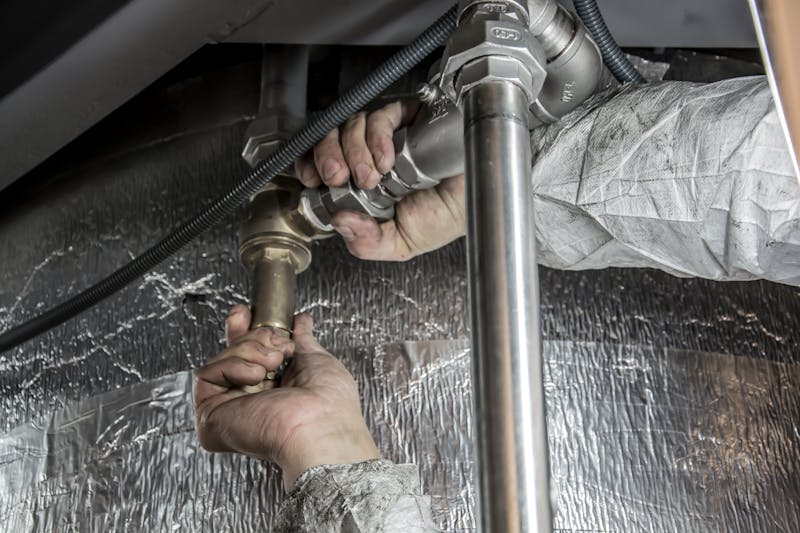
Small Faults Grow Behind the Walls
A minor leak inside a wall can soak drywall, insulation or wood framing long before a stain shows on the surface. A worn toilet flapper can let water run quietly into the bowl, which raises the water bill month after month. Hard water leaves mineral scale inside pipes, faucet aerators, as well as water heaters.
Each of these problems starts small, with a modest repair cost. A routine visit helps catch them at that early stage, before the damage spreads.
According to the EPA’s WaterSense home maintenance guidelines, regularly checking plumbing fixtures for leaks and addressing problems promptly can help conserve water, reduce utility costs, and prevent water damage.
What the Plumber Checks on Arrival
A typical visit starts with a walk-through of each bathroom, the kitchen, and the laundry area. The exact checklist depends on the plumbing company as well as the maintenance plan a homeowner chooses. Some plans cover a basic inspection only. Others add services such as a water heater flush or a pressure test, sometimes for an extra fee. Common checks may include the following.
- Visible pipes, joints, or supply lines for leaks or corrosion
- Water pressure at a hose bib or the main line, measured with a gauge
- Shut-off valves under sinks or behind toilets
- Tub, shower, or sink drains for slow flow
- Outdoor hose bibs for drips or cracked handles
- The water heater tank, valves, as well as the vent
At the end of the visit, the plumber explains each finding in plain terms. Items that need prompt repair get flagged first. Lower-priority items go on a watch list for the next visit, so the household can budget for repairs over time. Homeowners can ask for a written list of included services before booking, which avoids surprises on the day.
Water Heater Flushes Clear Mineral Buildup
Sediment is a sand-like mineral layer that settles at the bottom of a tank water heater. This layer coats the tank floor above the burner or heating element, so the heater takes longer to warm each tank. A popping or rumbling sound from the tank can point to heavy buildup.
A flush drains water through the valve at the base of the tank, carrying sediment out with it. During this service, a plumber may also test the temperature and pressure relief valve, the safety part that releases excess heat or pressure from the tank. Many manufacturers suggest a yearly flush, though homes with very hard water may need it more frequently. The water heater’s manual lists the maker’s own guidance.
Drain Lines Stay Clear with Routine Care
Kitchen drains collect grease, coffee grounds or food scraps along the pipe walls. Bathroom drains gather hair with soap residue, which slowly narrows the pipe. When several fixtures drain slowly at once, the blockage may sit deeper in the main sewer line.
There is no single schedule for professional drain cleaning that suits every home. The right frequency depends on the age of the pipes, the household’s habits, along with any history of clogs. A home with no drain trouble may never need routine cleaning. A home with repeat clogs, older pipes, or tree roots near the sewer line may benefit from regular service. A camera inspection can help a plumber find the cause when blockages keep returning.
The table below gives general guidelines. Actual timing depends on the home, the equipment, and the advice of a licensed plumber.
Regular plumbing inspections can help catch drainage issues before they become expensive repairs, and these tips for preventing basement drain problems can help you avoid unexpected backups and water damage.

| Maintenance Task | Suggested Frequency |
| Plumbing inspection | Once a year |
| Water heater flush | Once a year, or per the manufacturer’s guidance |
| Professional drain cleaning | As needed, based on pipe condition or recurring clogs |
| Shut-off valve check | During the yearly inspection |
| Hose bib check | Each spring |
| Water pressure test | During the yearly inspection |
Signs a Home Needs an Earlier Visit
Some changes between yearly visits point to a developing problem. A water bill that rises with no change in daily use can signal a hidden leak. A musty smell under a sink or near a wall may point to slow moisture behind the surface.
Other signs need immediate attention. Water pooling around the water heater, a sewage odor inside the home, or a sudden, major drop in water pressure all call for a plumber right away. In the case of an active leak, the water supply to that fixture or to the home should be shut off if it is safe to do so. A single slow drain that clears with a plunger can usually wait for the scheduled visit.
Daily Habits Extend the Time Between Repairs
Simple routines at home help keep plumbing in good shape. A mesh strainer in the kitchen or shower drain catches food scraps or hair before they reach the pipes. Cooking grease belongs in a sealed container in the trash, away from the sink.
Homeowners should know where the main shut-off valve sits, along with the valves under sinks or behind toilets. Older or corroded valves can leak or break when turned, so they deserve gentle handling. A valve that feels stiff or shows corrosion is best left to a plumber to test or replace. A quick look under sinks during weekly cleaning can also reveal early signs of a leak, such as damp cabinet floors or water stains.
Many plumbing problems start small, which makes regular attention worthwhile. A yearly inspection, combined with simple daily habits, can help homeowners spot issues early while keeping repair costs manageable. Since maintenance needs differ from home to home, a licensed plumber can recommend a schedule that fits the age of the system, the water quality, and any recurring problems.
Helpful Plumbing Maintenance Supplies to Keep at Home
Even with an annual professional plumbing inspection, a few basic supplies can help homeowners spot minor problems between visits. Water leak alarms can provide an early warning of moisture near sinks or appliances, while a simple drain snake can help clear some minor clogs. A water pressure gauge can also be useful for checking household water pressure.

Ellen is a busy mom of a 29-year-old son and 33-year-old daughter. She owns nine blogs and is addicted to social media. She believes that it doesn’t have to be difficult to lead a healthy life. She shares simple healthy living tips to show busy women how to lead fulfilling lives. If you’d like to work together, email info@confessionsofanover-workedmom.com to chat.
