
Last Updated on November 4, 2026 by Ellen Christian
Side sleeping changes how the body meets the mattress. Unlike back sleepers, who distribute much of their weight across the back and hips, side sleepers place more concentrated pressure on the shoulder and the outer hip. These areas also have different shapes and widths, which means the mattress must accommodate the body’s contours without allowing the heavier parts to sink too far. When the surface does not respond well, a sleeper may keep changing positions to find relief.
Posts may be sponsored. This post contains affiliate links, which means I will make a commission at no extra cost to you should you click through and make a purchase. As an Amazon Associate I earn from qualifying purchases.
This is one reason people comparing the best mattress for side sleepers often pay close attention to cushioning. A pillow top can add a softer layer above the mattress’s main support structure, but softness alone does not determine whether a bed will feel comfortable. The important question is how that upper layer responds to the shoulder, how the rest of the mattress supports the body, and whether the combination suits the sleeper’s build and preferred sleeping position.

Why the Shoulder Needs a Different Kind of Support
The shoulder is a relatively prominent part of the body’s outline when a person lies on their side. Its shape means that it may press into the mattress more deeply than flatter areas of the body. If the surface is too rigid, the shoulder may feel as though it is carrying too much pressure. This can become especially noticeable for people who remain on the same side for long periods.
A mattress that allows the shoulder to settle slightly can create a more comfortable contact area. Rather than forcing the body to rest on a narrow point, the surface can accommodate more of its natural shape. However, this movement needs to happen alongside support for the torso and hips. If the shoulder sinks while the rest of the body remains too high, or if the pelvis drops too far, the spine may not remain comfortably aligned.
Shoulder comfort also depends on factors beyond the mattress. Pillow height, arm placement, shoulder mobility, and individual anatomy can all influence how side sleeping feels. A mattress can provide a more suitable surface, but it cannot correct every cause of shoulder discomfort.
According to the Sleep Foundation, side sleepers benefit from mattresses that relieve pressure around the shoulders while providing enough support to maintain comfortable spinal alignment.
How a Pillow Top Changes the Feel of the Surface
A pillow top is an additional cushioned layer attached to the upper surface of a mattress. Depending on its materials and construction, it can make the bed feel plusher and change how quickly the body settles into the sleeping surface. This added cushioning may be appealing to side sleepers because the shoulder and hip often need more room to settle than they receive on a very firm surface.
The effect varies from one mattress to another. Some pillow tops have a soft, enveloping feel, while others provide a more restrained layer of cushioning. The materials inside the top layer influence how it compresses, how quickly it returns to shape, and how much heat it retains. Therefore, two mattresses with the same pillow top label can feel quite different in practice.
It is also important to distinguish surface softness from overall support. The pillow top contributes to the initial feel of the mattress, while the deeper layers help determine how far the body can sink. A comfortable design balances these functions instead of relying on a thick, soft upper layer to do all the work.
The Difference Between Shoulder Cushioning and Deep Sinkage
When testing a mattress, side sleepers should notice not only how the shoulder feels but also how the waist and hips are supported. The shoulder needs enough room to settle, yet the torso should not feel as if it is tilting downward. This balance can be difficult to judge during a quick showroom test because the body may need several minutes in a familiar sleeping position before pressure becomes noticeable.
A surface that is too firm may leave the shoulder feeling compressed, while an excessively soft mattress can allow the upper body and hips to sink unevenly. The right feel depends on body weight, shoulder width, hip shape, and personal preference. Someone with a lighter build may not compress the same mattress in the same way as someone with a heavier build.
Pay attention to the position of the neck as well. If the shoulder sinks farther into the mattress, the pillow may need to accommodate that change to keep the head from tilting upward or downward. Mattress and pillow choices work together, so replacing one without reconsidering the other may not resolve the problem.

What to Look for When Comparing Pillow Top Designs
The materials beneath the pillow top matter as much as the cushioning itself. Memory foam can respond closely to body contours, while other foams and comfort materials may offer a springier or more immediate response. Some designs use multiple layers to combine pressure relief with a more supportive feel. None is automatically ideal for every side sleeper, so the construction should be evaluated as a whole.
People who tend to sleep warm may also want to examine the materials and ventilation features described by the manufacturer. Softness and temperature regulation are separate qualities, and a plush surface does not automatically sleep cool. Bedding, room temperature, and personal sensitivity to heat also affect overnight comfort.
When comparing options, consider the return policy, trial period, warranty, and care requirements alongside the mattress feel. These details matter because a mattress that seems comfortable during a short test may feel different after several nights of regular use. Reviewing the product specifications can help narrow the choices, while a suitable trial arrangement gives the sleeper an opportunity to evaluate comfort in their own environment.
If you love a plush sleeping surface but worry about overheating, read these tips for choosing a soft mattress if you sleep hot to find a balance between cushioning and temperature regulation.
Where Pillow Top Comfort Fits Into Mattress Selection
For sleepers who want additional cushioning without overlooking the mattress’s underlying support, exploring a pillow top mattress can help clarify the available options. The most useful comparison is not simply which mattress feels softest when pressed by hand. Instead, consider how the upper layer responds when lying on the side, whether the shoulder can settle without creating excessive sinkage, and whether the hips remain supported.
A short test should include lying in the position used most often at home. Relax the shoulder rather than holding the upper body rigidly, and notice whether pressure builds around the joint. Check whether the waist feels supported and whether the neck remains comfortable with the pillow you would normally use. Sitting on the edge or pressing a hand into the surface may offer a general impression, but neither recreates the body’s full weight distribution during sleep.
The goal is a surface that feels comfortable without making the body feel trapped or unevenly positioned. For some people, a pillow top may provide the right balance. Others may prefer a different comfort-layer construction. The product label can guide the search, but the mattress’s actual feel and specifications should determine the final choice.
Why the Bed Frame Still Matters
Although the mattress receives most of the attention during comfort comparisons, the bed frame forms the foundation of the complete setup. A suitable frame needs to support the mattress according to its requirements, maintain stability, and provide the appropriate spacing or surface beneath it. An incompatible foundation may affect how the mattress performs, regardless of how carefully its comfort layers were selected.
The Multifunctional Wood Bed Frame with Touch LED and Storage Headboard from SweetNight offers a different set of considerations for bedroom planning. Its wooden construction, slatted support design, integrated headboard storage, lighting, and charging features may appeal to someone who wants bedside essentials organised in one place. However, it is a conventional bed frame rather than a mattress designed specifically for side sleeping. Before choosing it, check the manufacturer’s specifications for mattress dimensions, support requirements, and any restrictions on mattress type or weight.
Headboard storage can be useful for keeping books and small personal items within reach, but it should not distract from the practical requirements of the sleeping surface. A mattress still needs appropriate support across its base, and the bed frame should suit the room’s dimensions and the sleeper’s everyday needs.
How Pillow Height Affects Shoulder Comfort
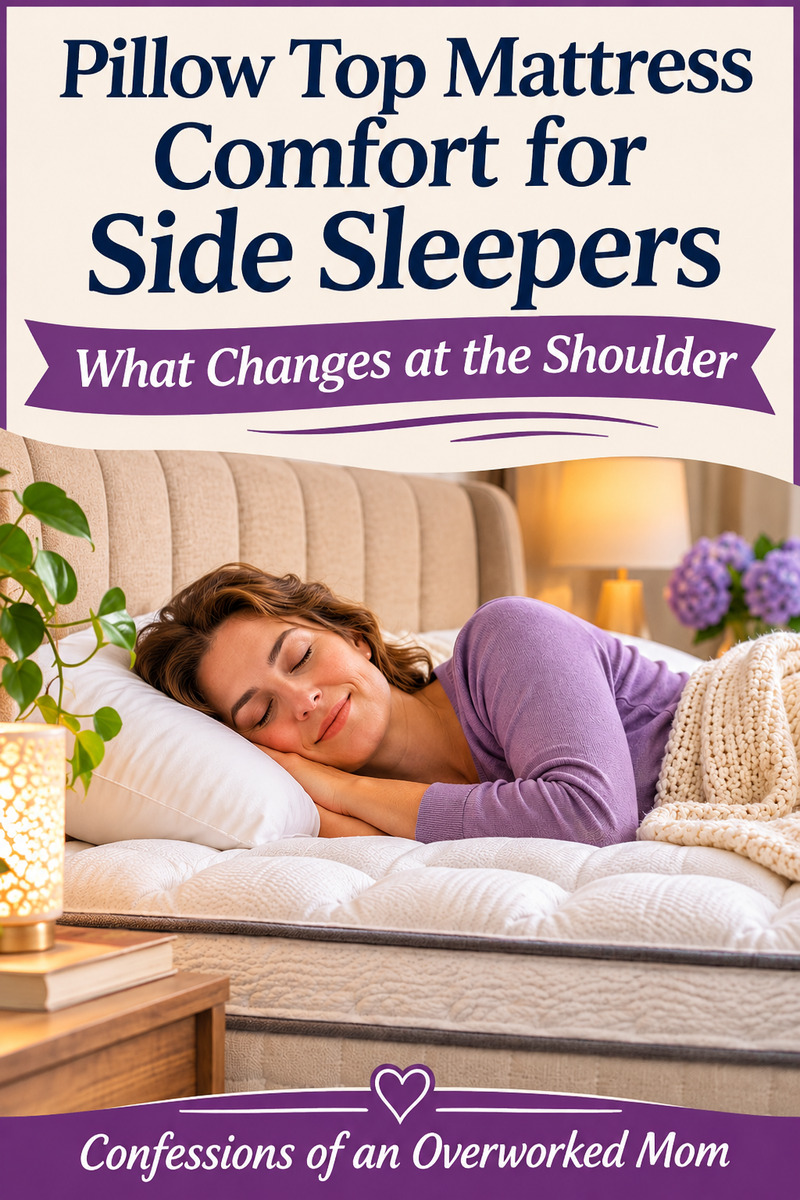
A mattress and pillow form a connected sleep system. When lying on the side, the space between the head and mattress depends partly on shoulder width and how deeply the shoulder settles into the surface. A pillow that is too high can tilt the head upward, while one that is too low may allow it to angle downward. Either situation can create tension around the neck and upper shoulder.
A plusher mattress may compress more beneath the shoulder than a firmer one. That change can affect the height needed from the pillow, which is why a pillow that worked well with an old mattress may not feel the same after a replacement. The best combination keeps the head comfortably aligned with the rest of the spine without forcing the neck into a pronounced angle.
Arm position matters too. Sleeping directly on the lower arm or placing it beneath the head can increase pressure around the shoulder. Experimenting with a comfortable arm position and checking pillow height may improve the overall setup without requiring a different mattress immediately.
More Ways to Make Your Bedroom Comfortable
A comfortable mattress is only one part of a restful bedroom. These simple bedroom essentials can help create a cozy sleeping environment.
- Cooling Bed Sheets – Breathable bedding for people who tend to sleep warm.
- Lightweight Comforter – A comfortable bedding option without excessive warmth.
- Blackout Curtains – Help reduce unwanted light in the bedroom.
- White Noise Machine – Helps mask distracting background sounds.
When Persistent Shoulder Pain Needs More Attention
Not all shoulder discomfort comes from the mattress. Daytime activities, repetitive movements, previous injuries, joint conditions, and sleeping posture can all contribute. If discomfort appears regularly at night, it is useful to note whether it occurs on one side, changes with position, or continues after getting out of bed.
A different mattress may help when the sleeping surface is clearly uncomfortable, but it should not be treated as a guaranteed solution for persistent pain. Consider seeking advice from a healthcare professional if shoulder discomfort continues, limits movement, or repeatedly interrupts sleep. Sudden severe pain, a significant injury, or symptoms accompanied by chest pain or difficulty breathing require urgent medical attention.
It is also sensible to avoid judging a mattress solely by whether pain disappears after one night. Comfort can vary from day to day, and several factors may influence the experience. Looking for consistent patterns provides a more useful basis for deciding whether the mattress setup needs to change.
Find a Balance That Suits Your Sleeping Style
A pillow top can change the way a mattress responds to the shoulder, but the benefit depends on the relationship between cushioning, support, and the sleeper’s body. The surface should allow the shoulder to settle comfortably while preventing the hips and torso from sinking into an unbalanced position. A softer feel may help some side sleepers, while others may need a different combination of comfort materials and support.
The most reliable approach is to compare complete mattress designs rather than focusing on a single feature. Consider your usual sleeping position, body shape, temperature preferences, pillow height, and the support provided by the bed frame. Read the specifications carefully and, where possible, use a trial period to evaluate the mattress under normal sleeping conditions.
A comfortable mattress should work with the body rather than forcing it into a particular position. By paying attention to the shoulder’s response and the alignment of the rest of the body, side sleepers can make a more informed choice about whether a pillow top is the right addition to their bedroom.

Ellen is a busy mom of a 29-year-old son and 33-year-old daughter. She owns nine blogs and is addicted to social media. She believes that it doesn’t have to be difficult to lead a healthy life. She shares simple healthy living tips to show busy women how to lead fulfilling lives. If you’d like to work together, email info@confessionsofanover-workedmom.com to chat.
