
Last Updated on August 23, 2026 by Ellen Christian
Road trips often start to blur together when every night follows the same pattern: drive until tired, check into a room, sleep, and leave early. The scenery changes, but the routine does not, and the trip can begin to feel generic. Camping breaks that cycle by turning the overnight stop into part of the experience. With a canvas tent, travel feels slower, more personal, and more connected to the places along the way. Instead of treating each stop as a pause between destinations, you begin to experience it as part of the journey itself.
Posts may be sponsored. This post contains affiliate links, which means I will make a commission at no extra cost to you should you click through and make a purchase. As an Amazon Associate I earn from qualifying purchases.
Why Canvas Works
For travelers who want camping to feel comfortable rather than chaotic, Canvas tents offer a practical solution. One of their biggest strengths is durability. On a long road trip, conditions can shift quickly from hot afternoons to windy evenings and damp mornings, and canvas typically handles those changes well.
Canvas is also more breathable than many lightweight synthetic tents, which helps reduce the stuffy, clammy feeling that can make sleeping outdoors uncomfortable. That breathability matters when you are camping night after night instead of staying outside for a single weekend.
The material also creates a calmer interior. Heavier fabric softens outside noise, blocks harsh early light better, and often helps moderate temperature. In warm weather, the tent can feel less stifling, and in cooler conditions, it can feel more insulating once the air drops at night. Those details become important when you are living out of a vehicle for days or weeks.
Just as important is the overall feel. Canvas does not feel flimsy or disposable. It feels more like a real shelter than a temporary stop. You still stay close to the weather, fresh air, and sounds of the outdoors, but you do not have to sacrifice comfort to enjoy that connection. For many road trippers, that balance is exactly what makes canvas appealing.
Better Than Rushed Stays
Budget hotels and roadside motels can be convenient, but they often make travel feel hurried and forgettable. You arrive late, unload, sleep, and leave before you gain any sense of the town or landscape around you. After several nights, the rooms start to blend together. Hallways look the same, breakfast areas feel generic, and the stop becomes little more than a point on a map.
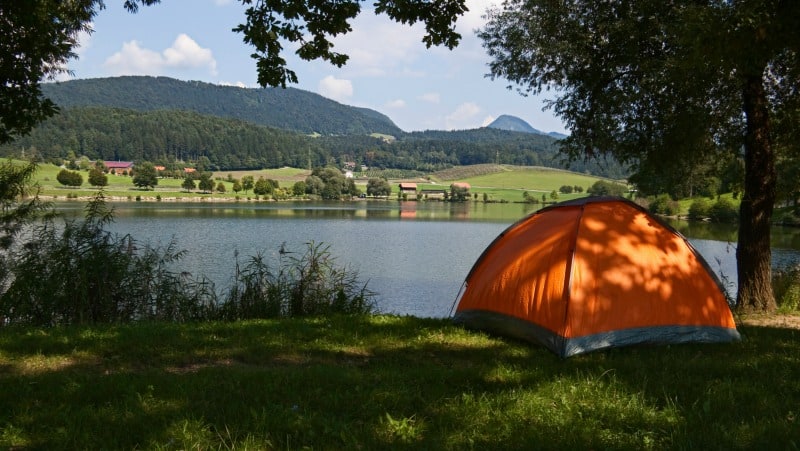
Camping changes that rhythm. You choose a place, set up camp, and settle in. That small routine shifts your mind out of driving mode and into being present. Instead of watching the clock for checkout or standing at a front desk, you can spend the evening cooking dinner, watching the light change, or talking with nearby campers.
There are practical upsides too. You do not have to wonder whether the room will be noisy, the walls thin, or the booking worth the price. Your campsite becomes your own familiar space, and that consistency can feel grounding when almost everything else changes day to day. Rather than serving as a simple pause in the trip, the overnight stop often becomes one of the most memorable parts.
Comfort on the Road
A comfortable canvas-tent setup does not require an excessive amount of gear. A few smart choices can make camp easy to manage and genuinely relaxing. Start with bedding that lets you sleep well: a supportive sleeping pad or air mattress, a good pillow, and warm blankets. Rest affects the entire trip, especially when you are driving long distances.
Lighting is another simple upgrade. Lanterns or soft string lights make the tent more welcoming and help you move around after dark. Small additions such as a rug near the entrance help keep dirt under control, while folding chairs provide a proper place to sit instead of balancing on coolers or bins.
Weather preparation matters just as much as comfort. Keep rain gear accessible, store essentials in dry bins, and bring an extra warm layer even if the forecast looks mild. Organizing by category also saves time and frustration. Keep cooking gear together, store clothing in one place, and put frequently used items where they are easy to grab. A little order prevents camp from turning into a daily scavenger hunt.
Places Feel More Authentic
Camping often makes destinations feel less staged and more real. You wake up in the local weather, hear the sounds of the area, and notice details you would probably miss from inside a hotel. The smell of pine, dust, water, or breakfast cooking at a nearby site can give you a stronger sense of place than any chain motel ever will.
It also changes how you move through a destination. Campers are more likely to stop at farm stands, local diners, bait shops, campground offices, and small stores. Those stops often lead to useful conversations about the best swimming spot, the prettiest back road, or the bakery worth a detour. Interactions like that add texture and personality to a trip.
Being outdoors sharpens your awareness of the landscape itself. You notice the chill in the morning air, the dirt on your boots, the smell after rain, and the way one region’s night sky looks different from another’s. Those sensory details help each stop stand apart. Instead of remembering places as a blur of names, you remember how they felt.
Good for Longer Trips
Canvas-tent travel becomes even more valuable on longer road trips. Hotel costs add up quickly when you are moving every day or two, while camping can stretch your budget without making the trip feel lesser. In many places, a scenic campsite costs far less than a basic room while offering a much stronger connection to the area.
Camping also gives you flexibility. If you discover a beautiful lake, mountain town, or state park, you can stay another night. If the weather turns or a stop does not interest you, you can move on without feeling locked into expensive reservations. That freedom works especially well on routes filled with national parks, local festivals, roadside attractions, and unexpected recommendations.
Location is another advantage. Campgrounds are often closer to trails, rivers, viewpoints, and community events than standard hotels. That means less time commuting and more time actually enjoying the place you came to see. Over the course of a long trip, that convenience matters.
Packing Without Overdoing It
Many people overpack for camping because they imagine needing gear for every possible situation. For most road-trip camping, the basics are enough. The goal is not to recreate a survival show. It is to travel comfortably and efficiently.
Ellen is a busy mom of a 29-year-old son and 33-year-old daughter. She owns nine blogs and is addicted to social media. She believes that it doesn’t have to be difficult to lead a healthy life. She shares simple healthy living tips to show busy women how to lead fulfilling lives. If you’d like to work together, email info@confessionsofanover-workedmom.com to chat.
