
Last Updated on August 1, 2026 by Ellen Christian
Why does a house that just passed every code inspection still end up with expensive surprises six months after move-in? It sounds contradictory, but it happens more often than most buyers expect. A new building looks flawless on the surface, with fresh paint, spotless floors, and appliances still wrapped in plastic, and that polish is exactly why so many issues slip through unnoticed until they become real problems.
Posts may be sponsored. This post contains affiliate links, which means I will make a commission at no extra cost to you should you click through and make a purchase. As an Amazon Associate I earn from qualifying purchases.
Understanding what a municipal inspection actually covers, and what it doesn’t, is the starting point for understanding why so many buyers still bring in their own inspector before closing. Here’s what that gap actually looks like, and what an independent inspection specifically adds on top of it.
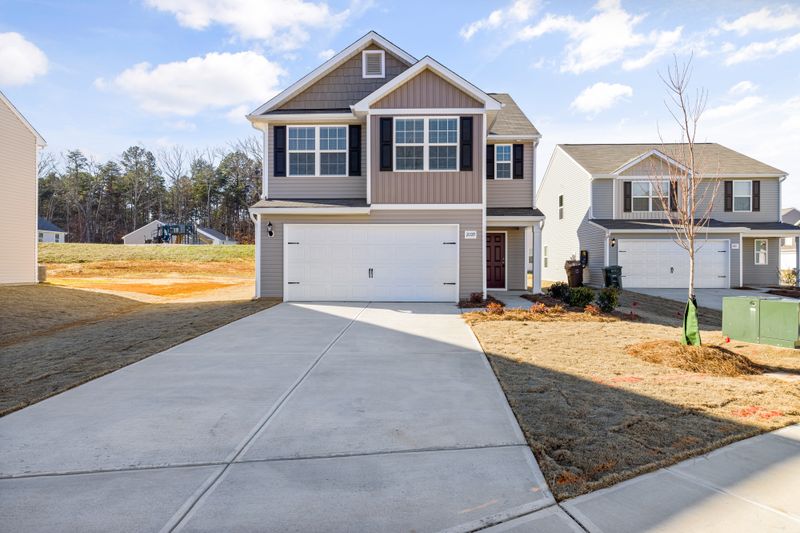
What a Municipal Inspection Isn’t Enough
A municipal code inspection exists to confirm that a home meets the minimum legal standard required for safety and occupancy. It checks specific, predefined items at each stage of construction against a fixed checklist tied to local building codes, rather than evaluating the overall quality of the work.
This means a code inspector is confirming compliance, not workmanship. A home can pass every required municipal inspection and still have issues, cosmetic, structural, or otherwise, that fall outside what that checklist was ever designed to catch. HUD’s homebuyer resources outline that a home inspection is distinct from a municipal code inspection, and recommends buyers hire their own independent, qualified inspector before closing rather than relying solely on builder or code inspections.
Where an Independent Inspection Fills the Gap
Once it’s clear what a municipal inspection does and doesn’t cover, the value of an independent inspection becomes much easier to see, not as a redundant step, but as the review that actually fills that gap. Here’s what that review specifically adds that a code inspection never could.
1. Reviews Quality, Not Just Code Compliance
An independent inspector isn’t limited to a fixed municipal checklist, which means they can evaluate workmanship, finish quality, and long-term durability in ways a code inspection never attempts to. This includes catching issues that are legal and code-compliant but still represent poor craftsmanship or a shortcut that will cause problems later. Because there’s no predefined checklist limiting the scope, an independent inspector can follow up on anything that looks off, rather than moving on simply because a specific item passed.
2. Isn’t Rushed by a Municipal Schedule
Code inspectors often move through dozens of homes in a single week under scheduling constraints set by the municipality, which leaves little time for a slow, detailed review of any one property. An independent inspector working for a single buyer isn’t under that same volume pressure, and can spend the time needed to check framing, connections, and finish details closely. This slower pace is often what catches subtle issues, like a minor framing gap or an early sign of improper installation, that a rushed municipal pass would miss entirely.
3. Works Only for the Buyer, Not the Municipality or Builder
A code inspector represents the municipality, and a builder’s internal quality checks represent the builder’s own interest in a smooth, on-time closing, neither of which is the same as representing the buyer directly. An independent inspector has no relationship with the builder and no stake in whether the sale closes on schedule, which removes any incentive to overlook a problem. This independence is exactly why an inspector working only for the buyer is more likely to flag issues that a builder’s own team, even acting in good faith, might miss or underreport.
4. Catches Problems Before They’re Sealed Behind Drywall
Many of the most serious construction issues, framing gaps, plumbing errors, electrical mistakes, become invisible the moment drywall, insulation, and finishes go up over them. An independent inspection scheduled at the right construction stages, rather than only at the final walkthrough, can catch these problems while they’re still visible and correctable. Waiting until move-in to discover a hidden issue almost always means a more expensive, more invasive repair than catching it during construction would have required.
5. Gives Buyers Documentation They Can Actually Act On
An independent inspection produces a detailed report specific to the buyer’s home, something a municipal inspection typically doesn’t provide in the same level of detail. This documentation gives buyers concrete language to request repairs from a builder before closing, rather than relying on a verbal assurance that everything is fine. Having this record also matters later, since it creates a clear reference point if an issue resurfaces after move-in and needs to be addressed under warranty.
The Right Time to Bring in an Inspector
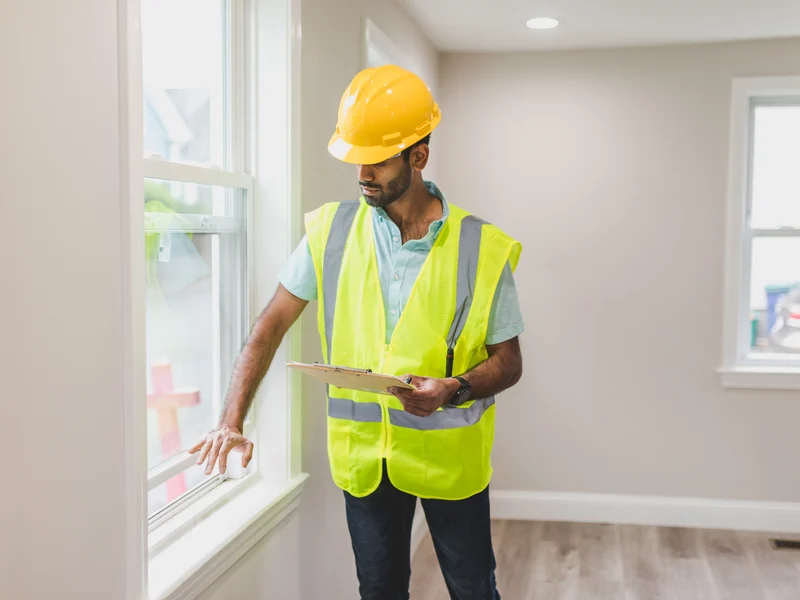
Timing changes everything with new construction. Waiting until the final walkthrough means many components are already sealed up and impossible to verify without tearing something open. A more effective approach involves inspecting at key stages:
- Pre-pour or foundation stage: This inspection checks soil preparation and footing placement before concrete is poured. Catching problems here prevents far more expensive fixes later in the build.
- Pre-drywall stage: Framing, plumbing rough-ins, electrical wiring, and HVAC ducting are all reviewed while still fully visible. This is often the single most valuable inspection in the entire process.
- Final walkthrough: This stage confirms that finishes, fixtures, and previously flagged issues have actually been corrected. It is a check on follow-through, not just a fresh look at the home.
- Eleven-month warranty inspection: This inspection catches anything that surfaced after living in the home for a while. Scheduling it before the twelve-month mark ensures repairs are still covered under the builder’s warranty.
Buyers who bring in professionals for new home construction inspections at each of these stages get a clear, unbiased picture of the home’s actual condition.
LunsPro Inspection Group is one of the ideal options for this kind of phased approach, known for combining new-construction-specific expertise with detailed, easy-to-understand reporting at every stage of the build.
What a Good Inspection Report Should Include
Not every inspection report is equally useful, and the difference often comes down to clarity rather than length. A strong report includes clear photos of any issues found, not just written notes describing them in the abstract. It also pairs each finding with a plain-language explanation of why it actually matters, rather than technical language that leaves a buyer guessing at the real-world impact.
A genuinely useful report also helps buyers prioritize what to act on first. It separates safety concerns from purely cosmetic items, so nothing urgent gets lost among minor notes. And it includes specific, actionable recommendations for what to raise with the builder before closing, rather than a general list of observations left for the buyer to interpret alone.
Final Thoughts
A home is one of the largest purchases most people will make, and a new build is not automatically exempt from error or oversight. Builders juggle multiple homes, subcontractors, and tight deadlines at once, so mistakes happen even with the best crews.
An independent inspection does not slow down your purchase or insult the builder’s work; it simply adds a second, unbiased set of eyes to a process where a lot can go unnoticed. Given how much depends on a home performing the way it should, that extra step is a small price for genuine peace of mind.

Ellen is a busy mom of a 29-year-old son and 33-year-old daughter. She owns nine blogs and is addicted to social media. She believes that it doesn’t have to be difficult to lead a healthy life. She shares simple healthy living tips to show busy women how to lead fulfilling lives. If you’d like to work together, email info@confessionsofanover-workedmom.com to chat.
