
Last Updated on June 12, 2026 by Ellen Christian
Buying a seaside property in Greece sounds like an absolute dream, but before you pack your bags for the Mediterranean, you need to do some homework on coastal weather. High winds, heavy salt spray, and intense storms are part of beach living, which means checking the structural resilience of a home is essential.
Posts may be sponsored. This post contains affiliate links, which means I will make a commission at no extra cost to you should you click through and make a purchase. As an Amazon Associate I earn from qualifying purchases.
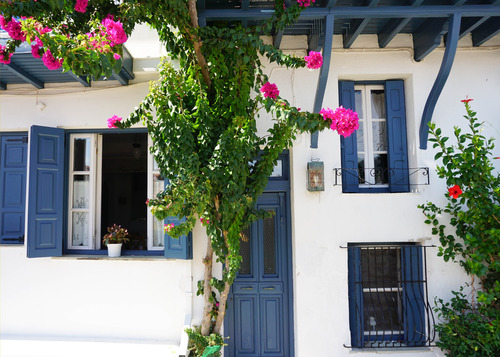
To put this into perspective, think about the weather precautions homeowners take back in places like Parker, where 100% of the homes face some level of threat from severe storms. That is exactly why something as practical as a storm door installation in Parker is so common. It creates a vital extra layer of protection against flying debris and high winds.
When you buy on the Greek coast, you have to bring that same protective mindset. From checking the quality of the window shutters to evaluating how the property handles intense sea storms, here is what you need to look into before signing the papers.
Legal Title and Ownership Verification
Greek property law can be notoriously complex, especially regarding older or rural coastal properties. Before making an offer, you must hire an independent Greek lawyer to conduct a thorough title search at the local land registry. This critical step ensures the seller is the legitimate owner, the property is free of mortgages, and no legal disputes exist.
In coastal regions, you must also verify that the property does not encroach on the protected shoreline zone, known as the “aigialos.” Buildings inside this boundary face strict demolition orders, no matter how long they have stood.
Navigating these documents requires specialized legal support. As Kathleen Peddicord, publisher of Live and Invest Overseas, points out: “Even if you speak the local language, you may not be expert enough to read a contract in that language.” Expert local legal guidance is non-negotiable for a secure purchase.
Planning Permissions and Building Legality
Many properties in Greece, particularly older coastal homes, have unauthorized extensions or converted terraces built without proper permits. These arbitrary constructions, known locally as “afthaireta,” can cause severe problems for buyers, including heavy fines, forced demolition, or issues with insurance and future resale.
Before purchasing, you must hire a licensed Greek civil engineer alongside your lawyer to cross-check the property against its official building permits. Planning regulations are exceptionally strict in coastal zones. Any deviations from the approved blueprints must be legally resolved.
The seller must either legalize these structures under current government amnesty schemes or reduce the purchase price to compensate for the risk. Taking the time to verify the legality of the build protects your investment and ensures your seaside home complies with strict local development laws.
Weatherproofing and Storm Protection Features
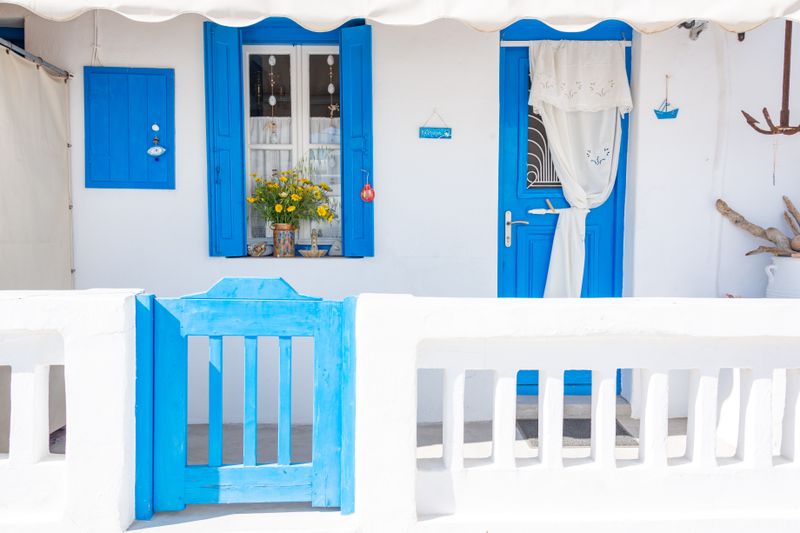
Weatherproofing should be a major consideration when buying a seaside property in Greece. Homes in coastal areas are constantly exposed to salt-heavy air, humidity, strong winds, and seasonal storms.
Over time, these conditions can wear down roofs, windows, exterior walls, balconies, and drainage systems if the property is not properly maintained. Buyers should carefully inspect for signs of moisture damage, rust, poor insulation, cracked seals, or water stains that may indicate long-term exposure to harsh weather.
Storm protection features are equally important. According to Denver Storm Door, storm doors help homes stay protected and energy efficient through changing weather conditions. While doors matter, buyers should also evaluate shutter systems, roof quality, window durability, and exterior materials designed to resist corrosion and strong winds.
Even small maintenance issues that seem harmless during a sunny property viewing can become expensive problems after repeated exposure to coastal weather.
Water Supply, Utilities, and Infrastructure
Water availability is one of the most critical and frequently underestimated factors when buying a seaside property in Greece. The country faces significant water pressure. According to Reuters, Greece plans to spend around 2.5 billion euros over the next 30 years to secure water supplies. This infrastructure investment comes as dry summers and reduced rainfall strain already scarce resources.
For island and coastal properties, municipal water networks can become severely overstretched during peak tourist season. Before purchasing, verify whether the property connects to a municipal supply or depends on a cistern, private well, or truck deliveries. Each option carries different costs and reliability risks.
Electricity infrastructure deserves equal scrutiny. Power cuts during storms are common on smaller islands, making backup generators or solar systems a genuine advantage rather than a luxury. A reliable internet connection is also worth confirming, particularly for buyers intending to work remotely or operate the property as a holiday rental.
Rental Licensing and Tax Obligations
Greece has become one of Europe’s most popular short-term rental markets, drawing buyers who see coastal properties as income-generating assets. However, the regulatory landscape is tightening.
Greece’s Ministry of Environment and Energy is considering new restrictions on short-term rentals across its busiest tourist destinations. The new proposals could limit Airbnb-style accommodation on islands and factor these rentals into tourism capacity calculations alongside hotels.
Buyers banking on rental income must factor this evolving environment into their decision. Currently, operating a rental property requires registration with the Greek tax authority and obtaining a Short-Term Rental Registry Number. Non-compliance carries significant fines.
Buyers must also account for property transfer tax, the annual ENFIA property tax, and income tax on rental earnings. Engaging both a Greek lawyer and an accountant before purchase is strongly advisable, ensuring the full financial picture is understood well before any contracts are signed.
FAQs
Is buying a seaside property in Greece a good investment?
Yes, many buyers view Greek seaside properties as strong long-term investments due to growing tourism, rising property values, and steady rental demand from travelers and digital nomads. However, careful legal and structural checks are essential before purchasing.
What legal checks should you do before buying property in Greece?
Buyers should verify ownership through a local land registry search and confirm there are no mortgages or legal disputes attached to the property. They should also ensure that all building extensions or renovations are legally approved.
Are coastal properties in Greece difficult to maintain?
Coastal homes often require more maintenance because of salt-heavy air, humidity, strong winds, and seasonal storms. Regular inspections of roofs, windows, drainage systems, and weatherproofing features are important to prevent long-term damage.
Key Statistics and Insights on Buying Seaside Property in Greece
| Greece’s water infrastructure investment | Greece plans to spend around 2.5 billion euros over the next 30 years to strengthen water supplies |
| Greek property market pricing | Property values remain roughly 40% lower than in many other EU countries |
| Average rental yields in Greece | Long-term rental yields average around 5% |
| Peak rental yields in Athens | Some Athens areas report rental yields reaching up to 10% |
| Coastal weather concerns | Seaside homes face salt-heavy air, humidity, strong winds, and seasonal storms |
| Rental regulation trend | Greece is considering stricter short-term rental regulations in heavily visited tourist areas |
Buying a seaside property in Greece delivers beauty and long-term value, but success requires careful due diligence. Verifying legal titles, structural weatherproofing, utility access, and changing rental regulations ensures a secure purchase.
The effort is highly rewarding, especially since Greece has undergone a major property market revival over the past decade. Property values are rising steadily yet remain roughly 40% lower than in many other EU countries, offering an excellent entry point.
Tourism, digital nomads, and modern housing demand keep rental yields strong, averaging around 5% and reaching up to 10% in select areas. Patience and thorough preparation turn these coastal properties into incredible investments.

Ellen is a busy mom of a 29-year-old son and 33-year-old daughter. She owns nine blogs and is addicted to social media. She believes that it doesn’t have to be difficult to lead a healthy life. She shares simple healthy living tips to show busy women how to lead fulfilling lives. If you’d like to work together, email info@confessionsofanover-workedmom.com to chat.
