
Last Updated on November 1, 2026 by Ellen Christian
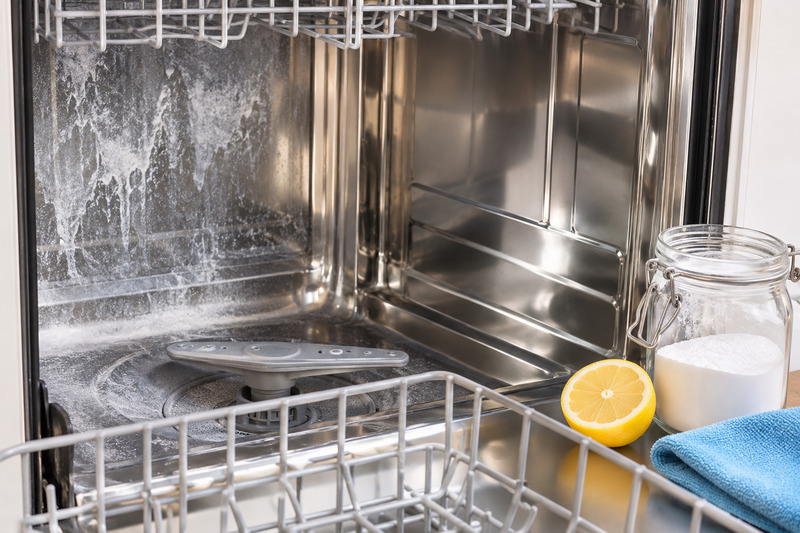
Have you noticed a chalky white film inside your dishwasher or white spots on your dishes after a wash cycle? Even when your dishwasher seems to be working normally, mineral deposits and detergent residue can leave the interior looking cloudy and dirty.
Posts may be sponsored. This post contains affiliate links, which means I will make a commission at no extra cost to you should you click through and make a purchase. As an Amazon Associate I earn from qualifying purchases.
The good news is that you may not need an expensive repair or a new appliance. In many cases, you can remove white residue from a dishwasher with a suitable dishwasher cleaner and a few changes to your washing routine.
Here’s how to identify what’s causing the white buildup, clean it safely, and prevent it from returning.
Why Is There White Residue in My Dishwasher?
Before cleaning your dishwasher, it helps to understand what you’re trying to remove. Not every white film has the same cause.
Hard Water Mineral Deposits
Hard water contains dissolved minerals, including calcium and magnesium. As water evaporates, these minerals can leave behind a chalky white coating.
You may notice buildup on the dishwasher door, stainless steel interior, racks, or glassware.
If your faucets and showerheads also develop white mineral deposits, hard water is a possible explanation.
Dishwasher Detergent Residue
Dishwasher detergent can sometimes leave a cloudy film when it doesn’t dissolve or rinse away properly.
Using more detergent than necessary, choosing a detergent that doesn’t work well with your water, or having problems with the wash cycle can contribute to residue.
Low Water Temperature
Dishwasher detergents need suitable water temperatures to dissolve and clean effectively.
If the incoming water is too cool, detergent may not dissolve completely, leaving residue behind.
Dirty Filters or Blocked Spray Arms
A clogged dishwasher filter can interfere with cleaning performance. Blocked spray arm openings may also prevent water from reaching dishes effectively.
These problems don’t necessarily cause chalky mineral deposits, but they can contribute to poor rinsing and leftover debris.
How to Tell What Kind of White Residue You Have
Look at the appearance and location of the residue before deciding how to clean it.
| What you notice | Possible explanation |
|---|---|
| Chalky coating on the dishwasher walls | Hard water mineral buildup |
| White spots on glasses and silverware | Hard water or detergent residue |
| Powdery deposits near the detergent dispenser | Undissolved detergent |
| Cloudy film throughout the dishwasher | Minerals or detergent buildup |
| Glasses remain cloudy after mineral deposits are removed | Possible permanent glass etching |
If you’re unsure whether hard water is contributing to the problem, inexpensive water-hardness test strips can help.

How to Remove White Residue From a Dishwasher
Start with the simplest cleaning steps before using a product designed to dissolve mineral buildup.
Step 1: Empty the Dishwasher
Remove the dishes, utensils, and any loose food debris.
Check the bottom of the dishwasher for food particles, paper labels, or other debris that could interfere with drainage.
Step 2: Clean the Dishwasher Filter
Many dishwashers have a removable filter near the bottom of the tub.
Consult your owner’s manual to find out how to remove it.
If your filter is removable and washable:
- Remove it according to the manufacturer’s instructions.
- Rinse it under warm running water.
- Use a soft brush to remove trapped food particles.
- Reinstall it securely.
Avoid using sharp tools or abrasive brushes that could damage the filter.
Step 3: Check the Spray Arms
Inspect the dishwasher spray arms for visible blockages.
If food particles or mineral deposits are blocking the spray openings, clean them according to your appliance manufacturer’s instructions.
Make sure the spray arms can rotate freely once everything is reassembled.
Step 4: Use a Dishwasher Cleaner
For white mineral deposits and detergent film, a dishwasher cleaning product is often the simplest option.
Look for a product specifically labeled for removing limescale, mineral buildup, or dishwasher residue.
Follow the product instructions, including whether the dishwasher should be empty and which wash cycle to select.
Dishwasher cleaners are available in tablets, liquids, and other formulations. Choose one that’s compatible with your appliance.
Step 5: Consider a Manufacturer-Approved Citric Acid Treatment
Citric acid can dissolve certain mineral deposits that cause white buildup.
Some dishwasher manufacturers, including GE Appliances, provide specific instructions for cleaning with citric acid.
However, the appropriate amount and procedure depend on the dishwasher.
Check your owner’s manual or the manufacturer’s website before using citric acid. Don’t guess at the quantity or combine it with dishwasher detergent or other cleaning chemicals unless the instructions specifically direct you to do so.
Step 6: Inspect the Dishwasher After Cleaning
Once the cleaning cycle finishes, allow the dishwasher to cool before inspecting the interior.
Look for remaining white film around the door, racks, and bottom of the tub.
If deposits remain, consult the manufacturer’s instructions to determine whether another cleaning cycle is appropriate.
Avoid scraping stubborn deposits with metal tools or abrasive scouring pads.

Can You Use Vinegar to Remove White Residue From a Dishwasher?
White vinegar is often recommended for removing mineral deposits because it contains acetic acid.
However, vinegar isn’t appropriate for every dishwasher or every cleaning situation.
Some manufacturers provide instructions for occasional vinegar rinses, while others warn that frequent exposure to vinegar can damage dishwasher components.
If your manufacturer allows vinegar cleaning, follow its exact instructions rather than pouring vinegar directly into the dishwasher or using it routinely.
Never mix vinegar with bleach or other household cleaning products.
For regular maintenance, a dishwasher cleaner approved for your appliance is generally a more straightforward choice.
How to Prevent White Residue in Your Dishwasher
Removing the buildup solves the immediate problem, but changing a few habits can help keep it from returning.
Use the Right Amount of Dishwasher Detergent
More detergent doesn’t necessarily mean cleaner dishes.
Follow your dishwasher manufacturer’s guidance and the detergent package instructions. If you have very soft water, you may need less detergent than someone with hard water.
Keep the Rinse Aid Dispenser Filled
Rinse aid helps water drain from dishes more effectively during rinsing and drying.
Using rinse aid according to your dishwasher’s instructions may reduce water spots and mineral film.
Check Your Water Hardness
If you frequently notice mineral deposits on faucets, showerheads, and dishes, consider testing your household water.
If your water is particularly hard, a properly configured water softener may help reduce mineral buildup.
If you’re not sure whether hard water is causing the white residue in your dishwasher, water hardness test strips can help you find out. These inexpensive strips are easy to use and can help you determine whether mineral buildup is contributing to the problem.
Maintain the Dishwasher Filter
Check the filter regularly and clean it as needed.
How often it needs attention depends on your dishwasher model and how frequently you use it.
Make Sure the Water Is Hot Enough
Check your dishwasher manual for the recommended incoming water temperature.
Many manufacturers recommend approximately 120°F, although requirements vary by model.
Avoid increasing your household water heater temperature beyond safe settings simply to improve dishwasher performance.
Load Dishes Properly
Overloading the dishwasher can interfere with water circulation.
Avoid blocking spray arms with large pans, cutting boards, or utensils. Make sure the detergent dispenser can open fully.
Clean Your Dishwasher Regularly
Follow your manufacturer’s maintenance schedule.
A regular cleaning routine can help prevent heavy deposits from accumulating inside the appliance.
If you’re dealing with stubborn mineral deposits, a dishwasher cleaner designed to remove limescale and hard water buildup can help. Look for a product that’s compatible with your dishwasher and follow the manufacturer’s instructions.

Why Does White Residue Keep Coming Back?
If you’ve cleaned your dishwasher but the white film returns after several cycles, the underlying problem may not have been corrected.
Consider these possibilities:
- Your household water is very hard.
- You’re using more detergent than necessary.
- Your detergent isn’t working well with your water conditions.
- Your rinse aid dispenser is empty or improperly adjusted.
- The dishwasher isn’t receiving sufficiently warm water.
- A filter, spray arm, or water circulation problem is affecting cleaning performance.
If residue returns quickly despite correcting these issues, consult your dishwasher manufacturer or a qualified appliance technician.
Frequently Asked Questions
What is the white chalky stuff inside my dishwasher?
White chalky residue is often caused by hard water minerals, particularly calcium deposits. Dishwasher detergent can also contribute to white film.
Why does my dishwasher leave white powder on my dishes?
White powder may be undissolved detergent. Check that the detergent dispenser opens properly, the spray arms aren’t blocked, and the water reaches the temperature recommended for your dishwasher.
Can hard water permanently damage a dishwasher?
Over time, significant mineral buildup can affect dishwasher components and performance. Addressing hard water and following the manufacturer’s cleaning recommendations can help reduce these problems.
Is white residue in a dishwasher mold?
A dry, chalky white film is more commonly associated with mineral deposits or detergent residue than mold. If you notice fuzzy growth, persistent odors, or unusual discoloration, investigate those symptoms separately.
Why are my glasses still cloudy after cleaning the dishwasher?
If mineral deposits have been removed but the glass remains cloudy, the glass may be etched. Etching is permanent surface damage and cannot be removed with ordinary dishwasher cleaning.
Using a dishwasher rinse aid can help prevent water spots and cloudy white residue on your dishes and glassware. Rinse aid helps water drain away more easily during the rinse cycle, reducing the mineral deposits left behind as dishes dry. Choose a rinse aid that’s compatible with your dishwasher and follow the manufacturer’s instructions.
Final Thoughts
White residue inside a dishwasher can be frustrating, especially when you’re expecting sparkling clean dishes.
Fortunately, many cases are related to hard water minerals, detergent buildup, or routine maintenance issues.
Start by checking the filter and spray arms, then use a dishwasher cleaner recommended for your appliance. If the problem continues, investigate your water hardness, detergent, and rinse aid settings.
Taking care of the underlying cause is the best way to keep white residue from returning and help your dishwasher work efficiently.
For more ways to keep your kitchen appliances running efficiently without spending a fortune, check out my tips on how to save energy with your dishwasher.

Ellen is a busy mom of a 29-year-old son and 33-year-old daughter. She owns nine blogs and is addicted to social media. She believes that it doesn’t have to be difficult to lead a healthy life. She shares simple healthy living tips to show busy women how to lead fulfilling lives. If you’d like to work together, email info@confessionsofanover-workedmom.com to chat.
