
Last Updated on October 30, 2026 by Ellen Christian
It happens in an instant. You glance down at the ring you’ve worn every day for years, and something looks wrong. The setting is there, but the center stone is gone. Your heart drops as you start retracing every step of your day.
Posts may be sponsored. This post contains affiliate links, which means I will make a commission at no extra cost to you should you click through and make a purchase. As an Amazon Associate I earn from qualifying purchases.
The worst part? It usually doesn’t happen out of nowhere. A tiny bent prong, a slightly loose stone, or a worn-down setting had probably been sending warning signs for a while. They were just too small to notice until it was too late.
That’s why jewelry repair matters so much, even for pieces that look fine at a glance. Catching small problems early can prevent heartbreaking losses and keep treasured jewelry in great shape for years, sometimes even generations, to come.
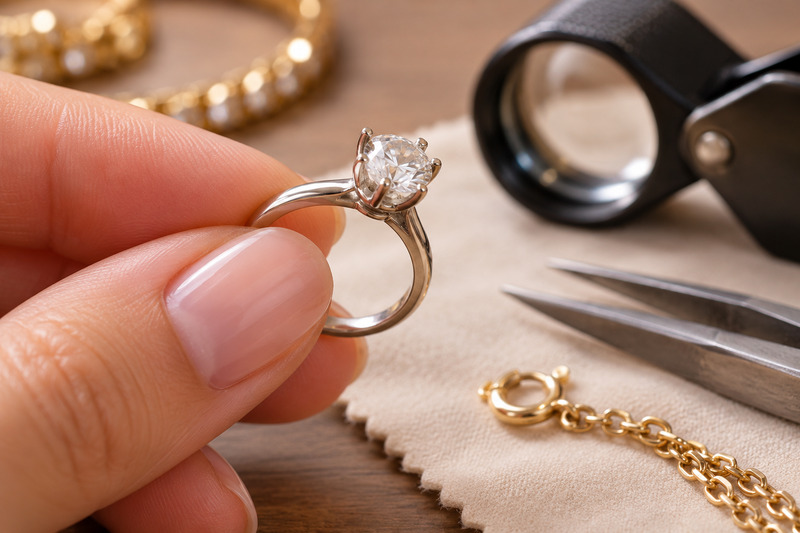
Why Jewelry Wears Out Even When You’re Careful
Jewelry lives a tougher life than most people realize. Rings bump against doorknobs, steering wheels, countertops, and gym equipment every day. Each tiny impact puts stress on prongs and settings, even when you never notice it happening.
Friction adds up too. Bands rub against fingers and other rings, slowly thinning metal over the years. Chains flex and twist with every movement, wearing down links and clasps. Even pieces worn with care face gradual wear from simple daily life.
Chemical exposure plays a role as well. Household cleaners, chlorine, lotions, and hairspray can dull finishes and, in some cases, affect metals and certain gemstones. Over time, these small forces combine to weaken settings, clasps, chains, and other components.
Along with checking for loose stones and damaged settings, regular cleaning is important. Learn more about green ways to care for your jewelry to help keep your favorite pieces looking beautiful.
The Warning Signs Most People Overlook
A loose stone is one of the biggest red flags. If you can hear a faint rattle when you shake a ring near your ear, or see a stone shift slightly, it’s time for an inspection. That stone could be close to falling out.
Bent or snagging prongs are another clue. If your ring keeps catching on sweaters or hair, a prong may be lifted or bent. Thin, flattened, or worn prongs may also struggle to hold stones securely, even if they look fine at first glance.
Thinning bands and damaged clasps round out the list. A band that looks noticeably thinner on the bottom, or feels flexible, may be weakening. Clasps that don’t close firmly put necklaces and bracelets at risk. When in doubt, a quick professional check is cheap insurance.
What Happens During a Professional Jewelry Repair
Prong rebuilding or retipping is one of the most common repairs. Worn prongs can be built back up with new metal, restoring a secure grip on the stone. Loose stones can often be tightened by carefully adjusting the setting around them.
Soldering handles breaks in chains, bands, and other metal components. Resizing adjusts rings to fit properly, which matters more than people realize, since a ring that’s too loose can slip off and get lost. Clasp replacement gives necklaces and bracelets a secure closure again.
Polishing and finishing bring everything together, restoring shine and smoothing scratches. The exact techniques depend on the piece, its metals, and its stones, since some gemstones are sensitive to heat or chemicals. Skilled repair work adapts to what each item needs.
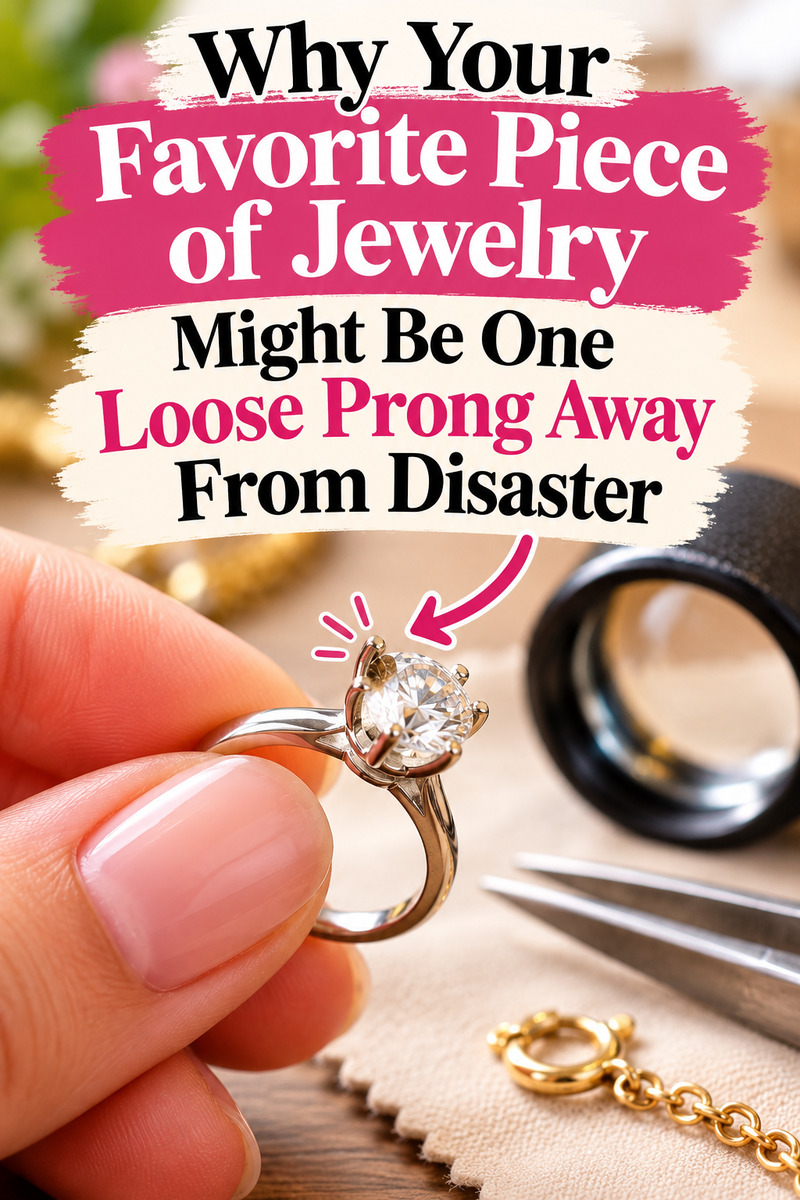
When Repairing Jewelry Is Better Than Replacing It
Sentimental value often makes repair the obvious choice. An heirloom ring or a necklace from someone special can’t truly be replaced, even with something newer or fancier. Repair keeps the original piece, and its memories, intact.
Craftsmanship matters too. Some older pieces feature handwork, details, or styles that are hard to find today. Repairing them preserves that character. Repair costs are often reasonable compared to replacing quality jewelry, especially when problems are caught early.
Sometimes, though, repair has limits. A severely damaged or heavily worn piece may not be structurally sound anymore. In those cases, redesigning or repurposing can be a smart alternative, like reusing an inherited stone in a new setting that fits today’s lifestyle while honoring its history.
Conclusion
Losing a treasured stone is heartbreaking, but it’s often preventable. Daily wear, small impacts, friction, and chemicals slowly weaken jewelry, and the warning signs are usually there long before something goes missing. Noticing them is half the battle.
Paying attention to loose stones, bent prongs, thinning bands, and weak clasps can make a huge difference. Professional repairs like prong rebuilding, stone tightening, soldering, and resizing can restore security and help pieces stay wearable for years, sometimes for decades.
A small repair can protect a lifetime of memories. Periodic inspections and timely maintenance help preserve the jewelry that means the most, so it stays where it belongs, on your hand, around your neck, and in your family’s story.

Ellen is a busy mom of a 29-year-old son and 33-year-old daughter. She owns nine blogs and is addicted to social media. She believes that it doesn’t have to be difficult to lead a healthy life. She shares simple healthy living tips to show busy women how to lead fulfilling lives. If you’d like to work together, email info@confessionsofanover-workedmom.com to chat.
