
Last Updated on October 11, 2026 by Ellen Christian
A well-designed home should feel comfortable, clean, and easy to live in. Pest problems work against all three. In Richmond, Virginia, where there were about 120,268 housing units as of 2025, homeowners deal with a wide mix of older properties, newer construction, landscaping, crawl spaces, and other conditions that can influence how pests get inside and where they settle. The solution is not to strip a home of personality or cover everything in plastic. Good pest prevention is mostly about noticing how food, moisture, clutter, entry points, and design choices interact, then making small changes before those conditions turn into a larger problem.
Posts may be sponsored. This post contains affiliate links, which means I will make a commission at no extra cost to you should you click through and make a purchase. As an Amazon Associate I earn from qualifying purchases.
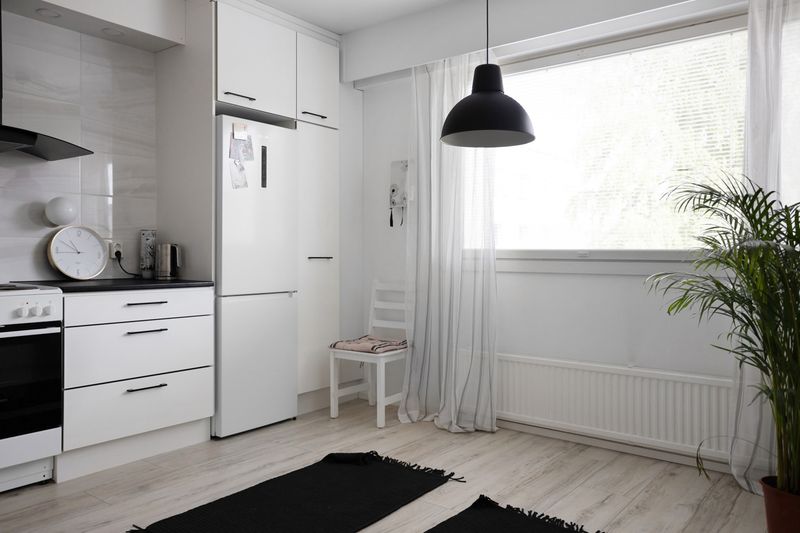
Start With the Conditions Pests Actually Need
Pests are not especially interested in whether a home is stylish or plain.
They respond to basics: food, water, shelter, plus access.
That means a beautifully decorated kitchen can still have ant problems if crumbs collect under appliances. A carefully styled bathroom can still attract insects if a slow leak keeps the cabinet underneath the sink damp.
The useful shift is to stop thinking only about visible bugs and start thinking about the conditions supporting them.
Check for moisture first. Leaking faucets, damp plant trays, condensation, or water collecting beneath appliances can all create favorable conditions. Then look at food storage and waste. Open packaging, pet food, spills, and poorly sealed rubbish containers are easy resources for pests.
Finally, look at shelter. Clutter, gaps, stacked paper, fabric, and cardboard all give pests places to remain unnoticed.
Once those basics are controlled, prevention becomes much easier.
Know When Prevention Needs Professional Support
Routine prevention can handle a lot, but recurring activity usually deserves a closer look.
If ants keep returning after food sources have been removed, rodents continue leaving droppings, or insects appear repeatedly in several rooms, the visible problem may only be part of what is happening.
For homeowners researching pest control in Richmond VA, the available services include general pest control along with treatment for ants, cockroaches, rodents, spiders, termites, bed bugs, mosquitoes, ticks, and certain crawl-space concerns. The right approach depends on what is actually present, where activity is occurring, and which conditions are allowing it to continue.
Professional treatment is most useful when it is combined with prevention rather than treated as a substitute for it.
Removing pests without changing food, water, shelter, or access can allow the same problem to return.

Make Storage Look Good Without Making It Pest-Friendly
Storage is where design and pest prevention often collide.
Decorative baskets, open shelving, vintage trunks, and stacked boxes can look intentional while still creating undisturbed hiding spaces. Cardboard is particularly inconvenient because it provides shelter and can hold moisture.
That does not mean everything needs to be replaced with sterile plastic containers.
Use sealed storage for items that sit untouched for long periods. Keep frequently used decorative baskets where they can be moved and cleaned easily. Avoid packing shelves so tightly that the back wall is impossible to inspect.
Food storage deserves even more attention.
Dry goods such as flour, cereal, rice, snacks, and pet food are better protected in well-sealed containers once their original packaging has been opened.
Storage works best when it still lets you see, clean, and inspect the surrounding area.
Seal Entry Points Without Making the House Look Patched Together
Exclusion is one of the most effective forms of pest prevention, yet it can be done neatly.
Small gaps around windows, baseboards, pipes, utility lines, doors, and vents are common access routes. Damaged screens create another easy path.
Caulk can be chosen to blend with trim or surrounding finishes. Door sweeps can be fitted cleanly. Small openings around pipes can be closed without turning the area into an obvious repair job.
The goal is not to seal a home so tightly that nothing can ever enter.
It is to remove the obvious routes that make entry easy.
Pay More Attention to Moisture Than Most People Do
Moisture problems often attract more than one kind of pest.
Leaking plumbing, damp crawl spaces, standing water, overwatered plants, or persistent condensation can support insects that prefer humid environments. Those insects may then attract predators such as spiders.
Look under sinks, behind appliances, around tubs, near washing machines, and wherever plumbing passes through cabinetry or walls.
Indoor plants deserve a quick check too. Water that collects in saucers should not remain there indefinitely.
Poor ventilation can also keep moisture around longer than necessary.
Fixing the leak or improving airflow may do more for long-term pest control than repeatedly treating the insects that appear afterward.
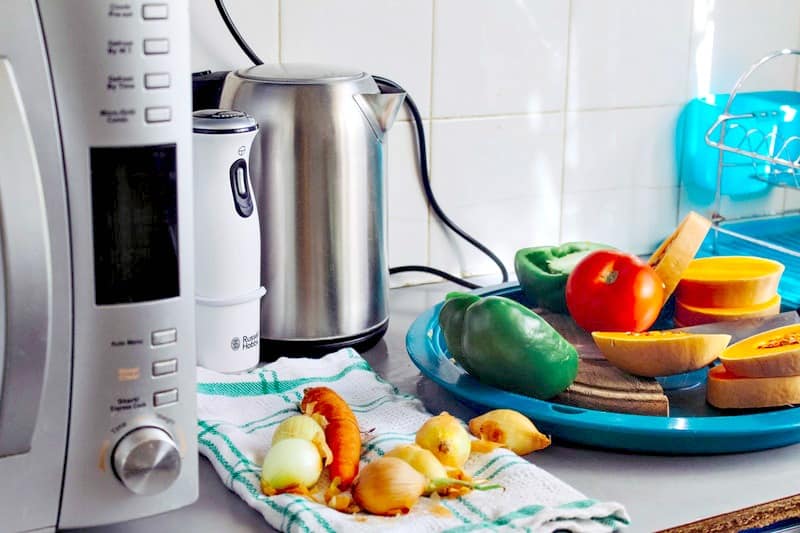
Clean Where Pests Actually Find Food
A polished countertop does not tell you what is happening beneath the refrigerator.
Pests often survive on small food sources that are easy to overlook: crumbs under appliances, grease beside a range, spilled dry food in a pantry, or pet food dust around bowls.
Cleaning should therefore focus less on appearance and more on residue.
Move small appliances occasionally. Vacuum beneath furniture where snacks are eaten. Wipe around rubbish bins. Clean pantry shelves when packages spill.
Pet feeding areas matter too.
Food and water should not remain available indefinitely if pest activity is a concern. A sensible integrated pest management approach focuses first on removing food, water, shelter, and entry points before relying heavily on chemical controls.
That approach is practical because it reduces what pests are coming inside to find.
Think About Furniture Placement and Fabrics
Furniture can create hidden zones even in an otherwise tidy room.
Large pieces pushed directly against walls are harder to clean behind. Floor-length curtains can trap dust and make window areas difficult to inspect. Upholstered furniture may collect crumbs, hair, and debris in seams or underneath cushions.
You do not need to redesign the room around pest control.
Just leave enough access for cleaning.
Move furniture occasionally. Vacuum around baseboards. Inspect the undersides of secondhand pieces before bringing them indoors.
Rugs and textiles should also be cleaned according to how heavily the room is used rather than only when they look dirty.
Pest prevention works better when hidden spaces are disturbed often enough that they stop being reliable shelter.
Treat Outdoor Areas as Part of the Same System
Indoor pests frequently begin outside.
Dense plants touching walls, stacked materials near the foundation, overflowing gutters, standing water, and outdoor lights near entrances can all influence activity around the house.
Trim vegetation enough to maintain access for inspection.
Do not allow unused materials to sit permanently against exterior walls. Keep water from collecting in containers, gutters, or other areas where insects can breed.
Lighting can matter too.
Exterior lights attract certain flying insects, particularly when fixtures sit directly beside doors or windows. Adjusting fixture placement or using lighting that attracts fewer insects can reduce activity around entrances.
Small outdoor changes often reduce pressure indoors before pests ever cross the threshold.
Use Pesticides as One Tool, Not the Entire Strategy
Spraying whatever insect appears can feel efficient, but it is not always a complete solution.
Pesticides should be used according to label directions and kept away from children or pets as instructed. More product does not automatically produce better results.
Targeted traps or baits may make sense for some pests, while others require professional treatment.
The important part is understanding why the pest is present.
If a leaking pipe remains unfixed, clutter is untouched, or cracks stay open, chemical treatment alone may have to be repeated because the environment never stopped supporting the problem.
Prevention makes treatment more effective.
Build Pest Prevention Into Normal Home Care
A pest-resistant home does not need to look clinical.
It simply needs to be maintained in ways that make food, moisture, shelter, and entry harder to find.
Inspect hidden spaces occasionally. Repair leaks early. Keep food sealed. Clear clutter before it becomes permanent. Replace damaged screens and close obvious gaps.
Then watch for patterns.
One insect may mean very little. Repeated sightings in the same area, droppings, shed wings, gnaw marks, or recurring activity after treatment deserve more attention.
The best pest-proofing usually blends into the home.
Nothing looks extreme. The rooms still feel comfortable and stylish. The difference is that storage is easier to inspect, moisture does not linger, food is better contained, and entry routes are harder to use.
That is the balance worth aiming for: a home that still looks like yours, just much less inviting to everything you did not ask to move in.

Ellen is a busy mom of a 29-year-old son and 33-year-old daughter. She owns nine blogs and is addicted to social media. She believes that it doesn’t have to be difficult to lead a healthy life. She shares simple healthy living tips to show busy women how to lead fulfilling lives. If you’d like to work together, email info@confessionsofanover-workedmom.com to chat.
