
Last Updated on November 19, 2026 by Ellen Christian
You can spend months choosing paint colors, furniture, and finishes, then lose some of that work to damage you barely notice at first. Home decor and pest prevention are more connected than most people expect. Rodents, squirrels, raccoons, and even insects can stain fabrics, chew trim, ruin insulation, and leave odors that settle into your space. If you want your home to look good and stay comfortable, you need to think about protection as part of the design plan.
Posts may be sponsored. This post contains affiliate links, which means I will make a commission at no extra cost to you should you click through and make a purchase. As an Amazon Associate I earn from qualifying purchases.
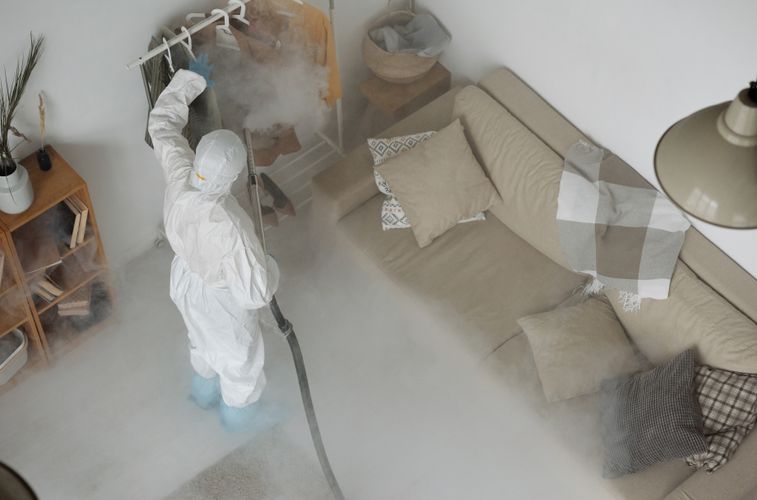
Attics, Walls, and Crawlspaces Affect What You See Indoors
You decorate the surfaces you can see, but many home problems begin in the spaces you don’t. Wildlife in the attic can lead to stained ceilings, warped drywall, damaged wiring, and lingering smells that no candle or diffuser will fully cover.
Squirrels and raccoons are especially disruptive because they chew, tear, and displace materials as they build nests. Once that activity starts, indoor comfort changes too. You may notice uneven temperatures, increased dust, or noise at dawn and night.
At that point, a professional wildlife removal service becomes part of protecting the home itself, not just solving an annoyance. Safe removal, entry-point inspection, and prevention work help preserve paint, flooring, insulation, and all the decorative work built on top of those systems.
Your Decor Is More Vulnerable Than It Looks
A well-decorated home can still have weak points hiding behind the visual polish. Upholstered headboards, natural fiber rugs, woven baskets, wood blinds, and stored seasonal textiles all create shelter or nesting material for pests and small wildlife.
The damage often starts quietly. You might notice a faint musty smell near a console table, scratching in the wall behind a gallery display, or tiny stains near baseboards. Those signs usually appear long after the animal or pest has settled in.
Design choices can also create access. Gaps around utility lines, attic vents, crawlspaces, and roof edges sit far outside your decor mood board, yet they have a direct effect on whether your interior stays intact. A beautiful room lasts longer when you treat structural protection as part of the decorating strategy.

Soft Materials Attract More Trouble Than You’d Expect
The coziest items in your home are often the easiest for pests to damage. Think throw pillows in a guest room, linen curtains that stay closed for most of the week, or a stack of extra blankets in a bench with hidden storage.
Rodents shred fabric for nesting. Wildlife in attics can contaminate insulation, and odors can drift down into bedrooms and living areas. Insects may target natural materials such as wool, cotton, silk, or jute, especially when airflow is limited and cleaning gets delayed.
If you love layered decor, pay attention to how you store pieces you rotate seasonally. Use sealed bins instead of cardboard. Keep textiles off garage floors. Vacuum under furniture you rarely move. These habits protect the look of your room while cutting down on the kind of hidden activity that gets expensive fast.
Certain Decor Habits Accidentally Invite Problems
Some of the most common styling habits can work against you. Pushing all furniture tightly against walls makes it harder to spot droppings, rub marks, or insect activity. Overfilling storage closets reduces airflow and creates dark, quiet areas where pests thrive.
Decorative firewood baskets are another issue when logs are stored indoors for long periods. The same goes for dried florals, poorly sealed pantry jars, and pet food tucked into lower cabinets without airtight containers.
You don’t need a sterile-looking house. You just need to make smart adjustments. Leave a little inspection space behind large furniture. Rotate and air out stored fabrics. Choose washable rug pads in busy areas. Small design decisions can support sanitation, visibility, and early detection without changing your style.
Seasonal Changes Put Your Interiors at Risk
Each season brings a different set of pressures. In colder months, rodents look for warmth and insulation. In spring, wildlife may search for nesting sites in attics, soffits, and chimneys. Summer heat can amplify odors from hidden infestations, while fall often drives animals toward sheltered entry points.
Your decor changes with the seasons too, which creates openings for problems. Bringing in wreaths, storage boxes, pumpkins, firewood, or attic bins can introduce pests or disturb areas where they’ve already settled.
A useful routine is to inspect decor items before they come inside, especially anything stored in garages, sheds, or attics. Check corners, folds, and container seams. While you’re rotating seasonal pieces, look for chew marks, shredded material, or droppings. You’re already updating the house visually, so it makes sense to use that moment for prevention.
Odor Control and Clean Design Depend on Real Remediation
One of the biggest mistakes homeowners make is treating pest or wildlife evidence as a cosmetic problem. Air fresheners, fabric sprays, and deep cleaning help with surface freshness, but they won’t solve contamination inside walls, insulation, or vents.
That matters because odors don’t just affect comfort. They can settle into curtains, rugs, mattresses, and upholstered furniture. If the source remains active, your cleaning budget climbs while the room still feels off.
The cleaner your design style, the more obvious this becomes. Minimalist rooms especially tend to reveal smell, staining, and sound quickly because there’s less visual distraction. Real remediation may involve sanitation, exclusion work, damaged material replacement, and repairs after removal. Protecting the aesthetic of your home often starts with addressing the source behind the scenes.
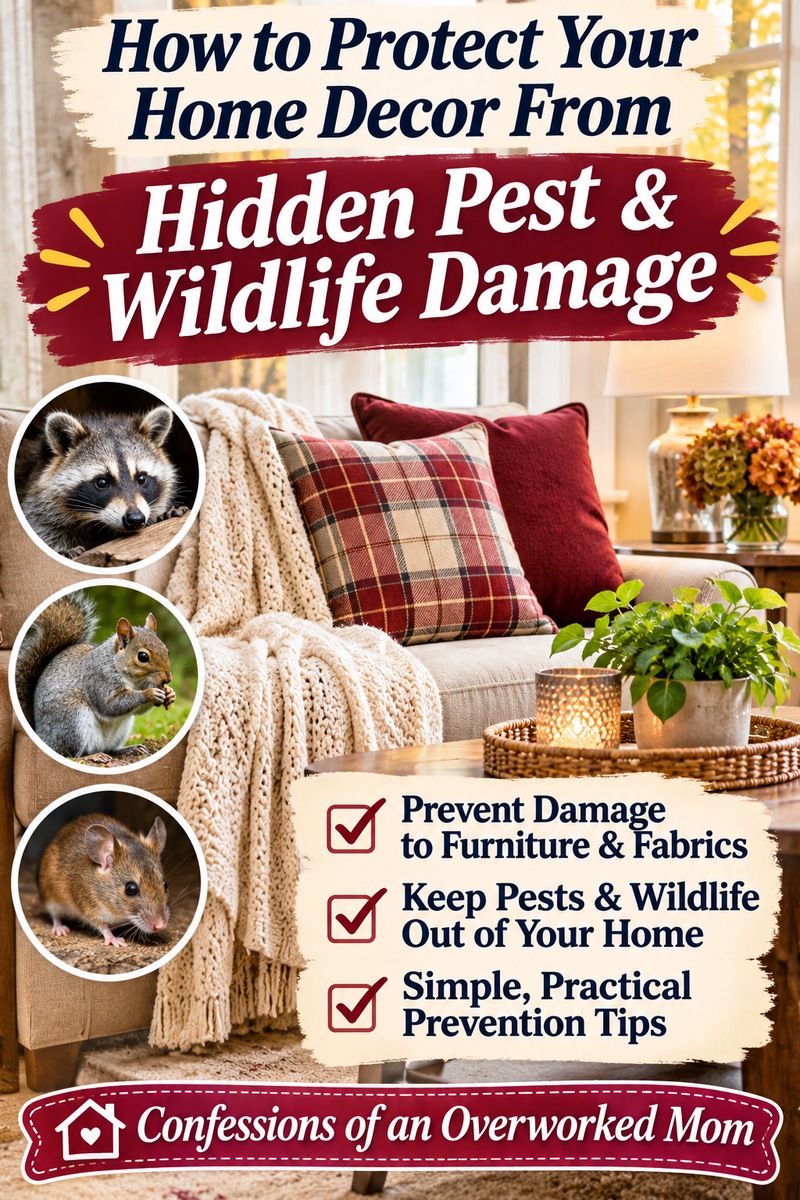
Prevention Works Best When It’s Built Into Your Home Routine
You don’t need a complicated maintenance system to keep your interiors protected. What works is consistency. Walk the perimeter of your home every month and look for openings near vents, roofing, foundations, and utility penetrations. Inside, check low-traffic rooms and storage spots before problems spread.
For more simple ways to keep unwanted visitors out, read my guide on how to make your home less inviting to pests, including tips for sealing entry points, reducing clutter, and controlling moisture.
Pay attention to subtle clues. A room that suddenly smells dusty, a new stain near the ceiling, bits of insulation in a corner, or unusual pet behavior can all point to activity you can’t yet see.
If you’re planning decor updates, use that project as an inspection chance. Moving a dresser, repainting a wall, replacing drapes, or reorganizing a mudroom gives you a rare view of hidden areas. Stylish homes hold up better when maintenance and design work together instead of competing for attention.
A Beautiful Home Needs Protection Behind the Scenes
Decor is more than what guests notice when they walk in. It includes the condition of the walls, the smell of the air, the quiet of the rooms, and the lifespan of everything you’ve chosen carefully. Wildlife and pests can undermine all of that long before the damage looks dramatic.
When you start thinking about prevention as part of homemaking, your choices get sharper. Storage improves. Cleaning becomes more strategic. Repairs happen earlier. You stop treating infestations as separate from comfort and design.
A home that feels polished usually has good systems behind it. If you want your decor to last, protect the structure, the textiles, and the hidden spaces with the same attention you give color, layout, and style.

Ellen is a busy mom of a 29-year-old son and 33-year-old daughter. She owns nine blogs and is addicted to social media. She believes that it doesn’t have to be difficult to lead a healthy life. She shares simple healthy living tips to show busy women how to lead fulfilling lives. If you’d like to work together, email info@confessionsofanover-workedmom.com to chat.
