
Last Updated on October 11, 2026 by Ellen Christian
A beautiful yard takes more than freshly cut grass, colorful flowers, and neatly trimmed hedges. Beneath the surface, soil conditions, water movement, and drainage patterns determine whether your landscaping stays healthy or gradually deteriorates. Many homeowners spend considerable time improving their outdoor spaces without addressing the underlying problems that make maintenance difficult.
Posts may be sponsored. This post contains affiliate links, which means I will make a commission at no extra cost to you should you click through and make a purchase. As an Amazon Associate I earn from qualifying purchases.
A soggy lawn, recurring bare patches, or a patio surrounded by puddles might seem like minor inconveniences. However, these warning signs can reveal problems that affect plant health, soil stability, and even your home’s foundation. Understanding how to manage these hidden challenges can help you maintain a yard that looks attractive and functions properly throughout the year.
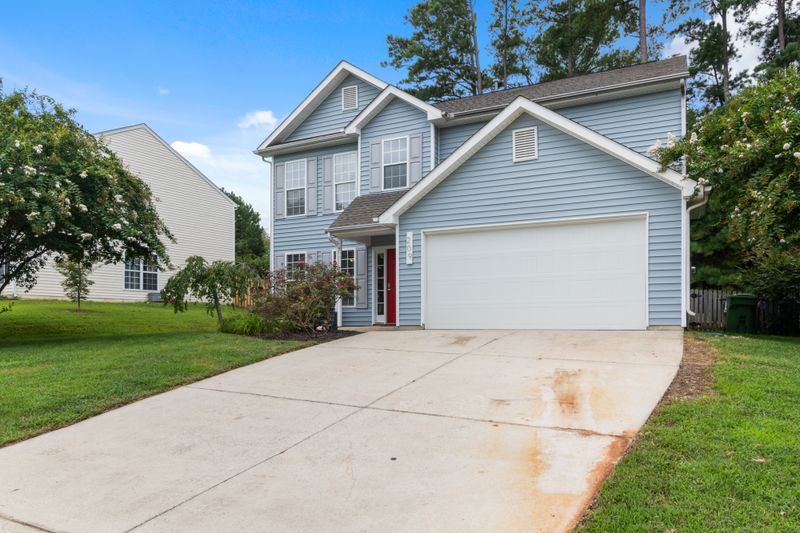
Stop Treating Standing Water as a Temporary Problem
After heavy rainfall, some puddling is normal. However, water that repeatedly collects in the same areas or remains long after surrounding soil has dried deserves attention.
Persistent moisture can weaken grass roots, encourage soil erosion, and make outdoor areas difficult to use. Water accumulating near a home’s foundation may also contribute to moisture problems around the structure.
The first step is identifying where the water originates. Runoff from neighboring properties, poorly directed downspouts, compacted soil, and uneven grading can all contribute to drainage problems.
When excess moisture collects beneath the surface, French drain solutions may offer an effective way to manage it. These underground drainage systems typically use perforated pipes surrounded by drainage materials to collect excess water and redirect it toward a suitable discharge point.
Unlike temporary surface fixes, a properly designed drainage system addresses how water moves through the landscape. However, its effectiveness depends on soil conditions, available slope, and appropriate water discharge arrangements.
Understand What Your Soil Is Telling You
Healthy landscaping begins with understanding the ground beneath your feet.
Different soil types behave differently when exposed to rainfall and irrigation. Sandy soils generally allow water to pass through quickly, while clay-heavy soils often retain moisture and drain more slowly.
Compaction creates another challenge.
When soil becomes tightly packed through foot traffic, construction activity, or repeated equipment use, water struggles to penetrate the surface. This can produce runoff even when the soil itself would otherwise drain reasonably well.
Watch for grass that struggles to grow, unusually hard ground, or puddles appearing after moderate rainfall.
A soil assessment can help identify whether the problem involves compaction, poor drainage, unsuitable pH, or inadequate nutrients.
Solutions might include targeted aeration, organic matter, irrigation adjustments, or more substantial drainage improvements.
Understanding the cause prevents homeowners from repeatedly applying fertilizer or replacing grass when the real problem lies underground.
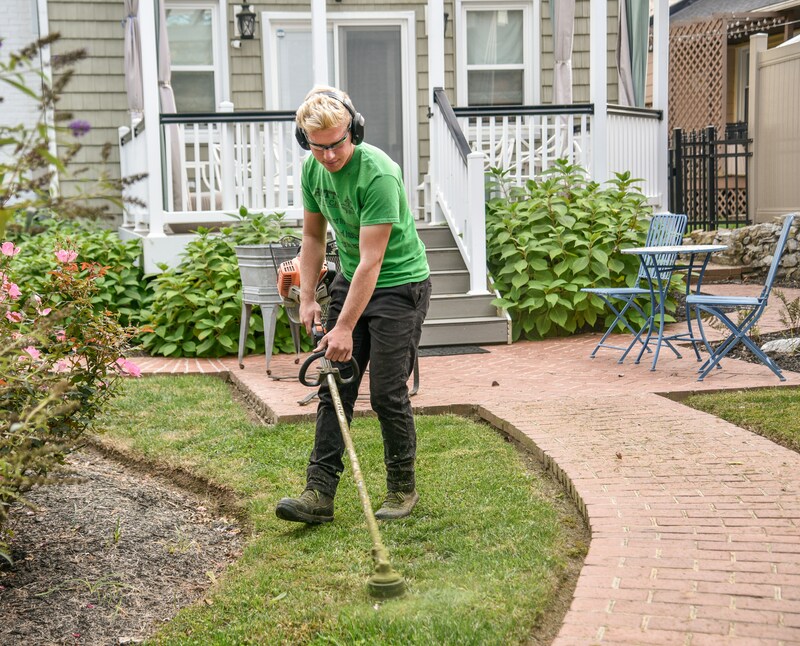
Keep Your Lawn Healthy Without Overwatering
A green lawn does not necessarily need frequent watering. In fact, excessive irrigation can create many of the same problems as heavy rainfall.
Constantly wet soil may restrict oxygen around roots, encourage certain fungal diseases, and produce shallow root systems.
Instead of watering according to habit, consider the grass species, soil conditions, weather, and seasonal growth patterns.
Deep, appropriately spaced watering sessions are often more beneficial than frequent light applications, although requirements vary by climate and lawn type.
Inspect sprinkler coverage regularly.
Misaligned heads can waste water on driveways and sidewalks while leaving other areas dry. Leaking irrigation components may create saturated patches that homeowners mistakenly attribute to poor drainage.
Rain sensors and suitable irrigation controllers can help reduce unnecessary watering.
The objective is to provide enough moisture for healthy growth without keeping the entire yard constantly saturated.
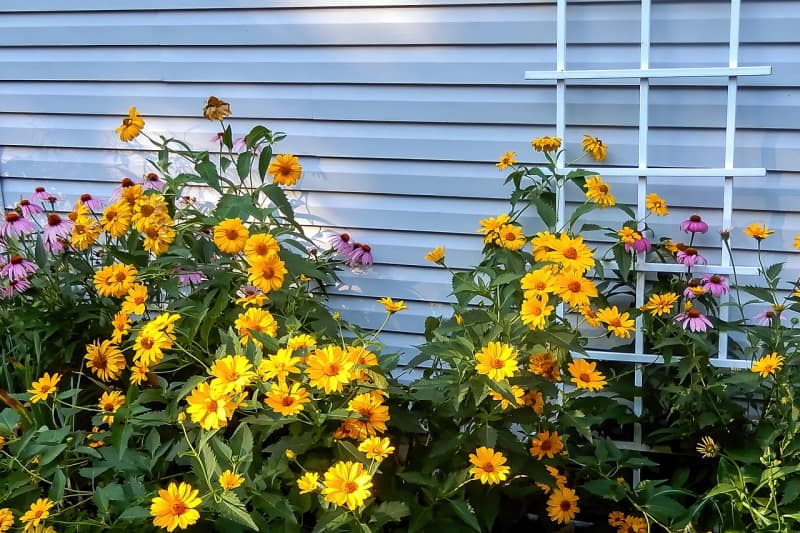
Protect Flower Beds From Erosion and Root Damage
Flower beds contribute color and structure to a landscape, but their condition depends heavily on soil stability.
Heavy rainfall can wash exposed soil away, particularly on sloped properties. Over time, this may expose plant roots, displace mulch, and leave unattractive channels through garden beds.
Mulching helps moderate soil temperature, reduce evaporation, and limit erosion from rainfall.
However, mulch should not be piled directly against tree trunks or plant stems, where prolonged moisture can encourage deterioration.
Plant selection also matters.
Choose species suited to local rainfall, sunlight, and soil conditions. Plants that tolerate consistently moist soil may perform better in naturally damp areas than varieties requiring excellent drainage.
Where runoff is substantial, consider landscape features that slow water movement and direct it appropriately.
A well-designed garden bed should support healthy roots while preventing soil from washing into walkways, drains, and neighboring areas.
Pay Attention to the Ground Around Patios and Walkways
Hardscaping changes how rainwater moves through a property.
Patios, driveways, and concrete paths prevent water from soaking directly into the ground beneath them. Instead, rainfall travels across these surfaces toward surrounding landscaping.
If the grading is unsuitable, runoff may collect beside the house, erode garden beds, or create slippery walking conditions.
Inspect hardscaped areas after heavy rain.
Look for water pooling against walls, soil washing away along edges, and sections where paving has settled unevenly.
Minor maintenance might involve clearing drainage openings or correcting small landscaping obstructions.
More serious problems may require regrading, channel drains, or other professionally designed drainage measures.
When planning new outdoor improvements, consider runoff before construction begins.
A patio that looks attractive on installation day should also manage rainfall safely years later.
Make Seasonal Maintenance More Than a Cleanup Routine
Seasonal yard maintenance often focuses on visible tasks such as pruning, leaf removal, and lawn care.
Those activities matter, but drainage and soil conditions deserve attention throughout the year.
Before periods of heavy rainfall, clear debris from gutters, downspouts, and accessible drainage inlets. Confirm that water outlets remain unobstructed and direct runoff toward permitted locations.
During dry periods, inspect irrigation systems for leaks and uneven coverage.
After storms, check for erosion, exposed roots, damaged mulch, and newly formed low spots.
Seasonal inspections also provide opportunities to identify changes caused by growing tree roots, settling soil, or recent construction.
Keep a simple record of recurring trouble spots.
Photographs taken after rainfall can help reveal patterns that might otherwise be forgotten once the yard dries.
Know When a Yard Problem Needs Professional Assessment
Not every landscaping problem requires a contractor. Routine mowing, pruning, mulching, and minor irrigation adjustments are manageable for many homeowners.
However, recurring flooding, significant erosion, or water collecting near foundations can indicate problems that need specialist evaluation.
A drainage professional can assess grading, soil conditions, runoff sources, and potential discharge locations before recommending improvements.
This matters because an incorrectly positioned drainage system may simply move water from one problem area to another.
Homeowners should also consider local drainage regulations, underground utilities, and neighboring properties before undertaking excavation.
When comparing contractors, ask how the proposed solution addresses the actual cause of the problem.
Clear explanations, appropriate site assessments, and realistic maintenance expectations are more valuable than promises that one installation will eliminate every drainage issue.
Build a Yard That Requires Less Work Over Time
The most successful yard maintenance strategy focuses on preventing recurring problems rather than constantly repairing their consequences.
That might mean choosing plants suited to the soil, improving irrigation efficiency, correcting runoff patterns, or selecting durable materials for heavily used areas.
It also means recognizing that a healthy landscape changes over time.
Trees mature, roots spread, soil settles, and surrounding development can influence drainage patterns. Periodic reassessment helps ensure the yard continues functioning as intended.
A lower-maintenance outdoor space is not necessarily one with fewer plants or simpler landscaping. It is one where the design works with the property’s natural conditions.
When drainage, soil health, irrigation, and planting choices support one another, routine upkeep becomes more manageable.
The reward extends beyond curb appeal. A thoughtfully maintained yard provides healthier vegetation, more usable outdoor space, and fewer avoidable repairs.
Ultimately, the secret to an attractive landscape is paying attention to what happens beneath the grass and around the foundations of your home. Address those hidden issues early, and the visible results become much easier to maintain.

Ellen is a busy mom of a 29-year-old son and 33-year-old daughter. She owns nine blogs and is addicted to social media. She believes that it doesn’t have to be difficult to lead a healthy life. She shares simple healthy living tips to show busy women how to lead fulfilling lives. If you’d like to work together, email info@confessionsofanover-workedmom.com to chat.
