
Last Updated on June 30, 2026 by Ellen Christian
Heat has been part of home comfort for generations. People reach for warmth when muscles ache, cramps start, or cold weather settles in. It feels simple, almost old-fashioned. Yet behind that familiar feeling is a surprising amount of research on how heat affects the body.
Posts may be sponsored. This post contains affiliate links, which means I will make a commission at no extra cost to you should you click through and make a purchase. As an Amazon Associate I earn from qualifying purchases.
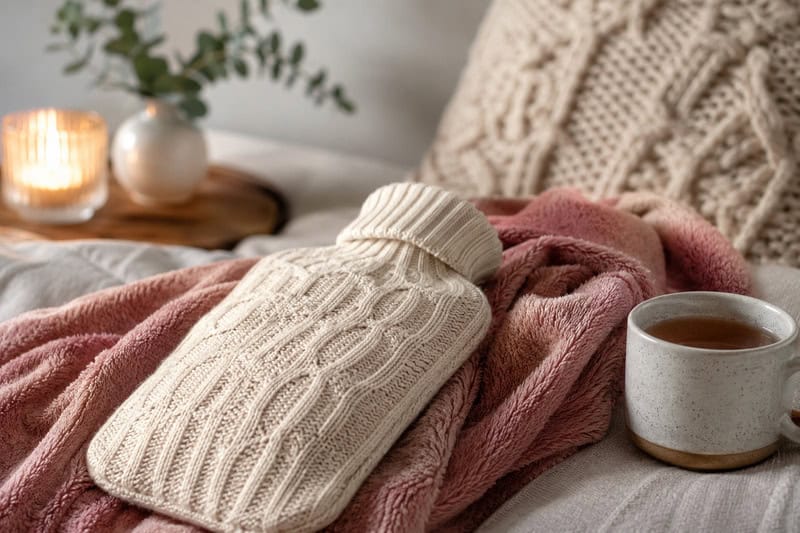
Today, heat therapy is still widely used because it is easy to access and fits naturally into daily life. But does it actually work, or does it just feel comforting in the moment? The science gives us a clearer answer than many people expect.
Here is what research says about heat therapy and why it continues to remain part of everyday wellness routines.
1. Heat Improves Blood Flow and Muscle Function
One of the clearest effects of heat therapy is what happens to blood circulation. Research published in Journal of Clinical Medicine noted that heat application may support muscle flexibility and improve local blood circulation, helping reduce feelings of stiffness and discomfort.
When warmth is applied to the skin, blood vessels in the area widen, allowing more blood to move through nearby tissues. That increased circulation helps deliver oxygen and nutrients while encouraging muscles to relax, which is one reason heat is often used for stiffness after long hours at a desk or soreness after physical activity.
That same effect explains why many people still reach for simple heat tools instead of more complicated recovery devices. Whether someone is dealing with neck tension, lower back discomfort, or general muscle tightness, using something as simple as a hot water bottle can provide steady warmth that supports this natural response. Today, people are using these bottles in more everyday settings because brands such as CosyPanda make them easier to carry, store, and use comfortably outside of more clinical recovery environments.

2. Heat Changes How Pain Signals Are Processed
Pain is complicated. But warmth changes how the body interprets certain pain signals. One explanation involves nerve pathways. Heat stimulates temperature receptors in the skin, and this can reduce the way pain messages are processed for some types of discomfort. That does not mean heat cures the cause of pain, but it may make symptoms easier to manage.
This is why people often instinctively reach for warmth during menstrual cramps, back soreness, or muscle aches. Sometimes relief is not about eliminating every sensation. It is about lowering discomfort enough to move, rest, or get through the day more comfortably.
In practice, heat often works best for ongoing tension or soreness rather than sudden swelling or fresh injuries.
3. Heat May Work Surprisingly Well for Period Cramps
Menstrual cramps are one of the most widely studied real-world uses of heat therapy. In many cases, applying warmth to the lower abdomen appears to help relax uterine muscles, which can reduce the severity of cramping sensations.
A 2018 study explored local heat application as a supportive option for managing menstrual pain, with findings suggesting it can provide meaningful relief for many individuals when used consistently during discomfort episodes.
What makes this application notable is its simplicity. Heat does not require complex timing or medication schedules, making it an accessible option that fits easily into daily routines during menstrual cycles. It is often used as a supportive measure alongside other forms of self-care rather than a standalone treatment.
4. Timing Is a Big Part of the Equation
Heat therapy is not a one-size-fits-all response, and its effectiveness often depends on timing and the type of discomfort involved.
In general, heat tends to work best for muscle stiffness, lingering soreness, and tension-related discomfort where circulation and relaxation are the main goals. In these situations, warmth supports the body’s natural recovery processes by improving blood flow and helping tight muscles gradually loosen.
However, not all pain situations respond the same way. When there is fresh injury or visible swelling, the body is often in an inflammatory phase where cooling approaches may be more appropriate in the early stages. In those cases, heat may feel soothing but does not always align with what the tissue needs at that moment.
This is where many people misjudge heat therapy. If it feels ineffective, it is often not because heat “doesn’t work,” but because it is being used outside its ideal context.
RELATED: Muscle Recovery Tips
Bringing It All Together
Heat therapy has lasted this long for a reason. Research suggests warmth can support circulation, relax muscles, ease certain types of discomfort, and help people feel more comfortable overall.
It is not a cure-all, and it is not the right tool for every situation. Still, when used thoughtfully, heat remains one of those simple habits that continues to hold up surprisingly well under modern research.

Ellen is a busy mom of a 29-year-old son and 33-year-old daughter. She owns nine blogs and is addicted to social media. She believes that it doesn’t have to be difficult to lead a healthy life. She shares simple healthy living tips to show busy women how to lead fulfilling lives. If you’d like to work together, email info@confessionsofanover-workedmom.com to chat.
