
Last Updated on October 28, 2026 by Ellen Christian
A comfortable home rarely happens by accident. Steady temperatures, clean air, and reasonable utility bills are usually the result of small, consistent habits rather than expensive renovations. Many homeowners only think about their heating, cooling, and insulation when something stops working, yet most performance problems build up slowly over months of neglect. A few minutes of attention each week or month can prevent drafts, uneven rooms, and spikes in energy use.
Posts may be sponsored. This post contains affiliate links, which means I will make a commission at no extra cost to you should you click through and make a purchase. As an Amazon Associate I earn from qualifying purchases.
The heating and cooling system is the heart of indoor comfort, and it is also one of the largest energy consumers in a typical household. When filters clog, vents get blocked, or components wear down, the system has to run longer to reach the same temperature. That extra strain shows up on monthly bills and shortens equipment life. Simple upkeep reduces the chances of needing emergency heater repair in the middle of a cold snap, when service calls are most urgent and most disruptive.
The habits below are practical, low-cost, and suitable for most homes. Together, they help maintain consistent comfort while keeping energy consumption under control.
1. Change or Clean Air Filters Regularly
Air filters trap dust, pet hair, pollen, and other particles before they circulate through the home. Over time, a dirty filter restricts airflow, forcing the furnace or air conditioner to work harder. Restricted airflow can also cause rooms to heat or cool unevenly and may lead to overheating or frozen coils.
Most standard filters should be checked monthly and replaced every one to three months, depending on the filter type, household size, and whether pets live in the home. During peak heating and cooling seasons, more frequent checks are worthwhile. A clean filter improves indoor air quality and helps the system run efficiently with less wear.
2. Keep Vents and Registers Clear
Furniture, rugs, curtains, and storage boxes often end up covering supply vents and return grilles without anyone noticing. Blocked vents disrupt the balance of airflow throughout the house, creating hot and cold spots and increasing pressure inside the ductwork.
A quick walk through each room every few weeks can confirm that vents are open and unobstructed. Wiping dust from registers also prevents buildup from being blown back into living spaces. Closing vents in unused rooms may seem like a way to save energy, but in many systems it actually reduces efficiency by increasing duct pressure.
3. Use the Thermostat Strategically
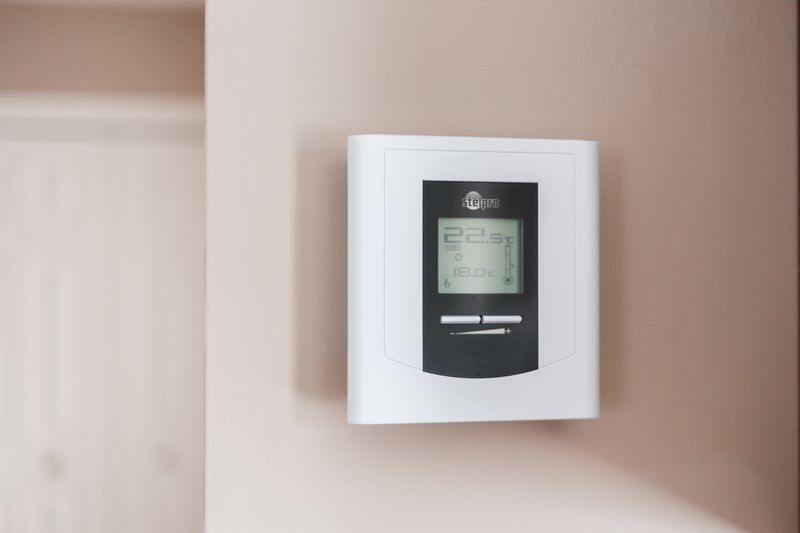
A programmable or smart thermostat is one of the most effective tools for managing energy use. Setting temperatures slightly lower in winter and slightly higher in summer while the home is empty or while occupants sleep can noticeably reduce consumption without sacrificing comfort.
Avoiding constant manual adjustments also helps. Large, frequent temperature swings make the system cycle more often, which uses more energy and causes additional wear. Replacing thermostat batteries once a year and keeping the device away from direct sunlight, lamps, and drafty doors ensures accurate temperature readings.

4. Seal Drafts Around Windows and Doors
Small gaps around windows, doors, and baseboards allow conditioned air to escape and outside air to enter. Even minor leaks can add up to the equivalent of leaving a window partly open all season.
Inspecting weatherstripping and caulking once or twice a year is a simple habit with a strong return. Worn weatherstripping can be replaced with inexpensive materials from any hardware store, and fresh caulk can close cracks around window frames. Door sweeps and draft stoppers are also effective for exterior doors. These small fixes help rooms hold their temperature longer and reduce how often the heating or cooling system needs to run.
5. Maintain Outdoor Units and Exterior Areas
Outdoor air conditioning condensers and heat pumps need open space to move air efficiently. Leaves, grass clippings, snow, and overgrown shrubs can block airflow and trap moisture around the unit.
Keeping a clearance of roughly two feet around outdoor equipment and gently rinsing debris from the fins in spring and fall can preserve efficiency. Gutters and downspouts also deserve attention, as overflowing water can damage foundations and contribute to humidity problems indoors.
6. Manage Indoor Humidity
Humidity has a major impact on how comfortable a home feels. Air that is too dry in winter can make rooms feel colder and cause dry skin and static electricity. Air that is too humid in summer feels sticky and warmer than the actual temperature, encouraging people to lower the thermostat further.
Keeping indoor humidity in a moderate range, generally between 30 and 50 percent, supports comfort and helps prevent mold growth. Running bathroom and kitchen exhaust fans, using a humidifier or dehumidifier when needed, and checking for plumbing leaks all contribute to balanced moisture levels.
7. Use Ceiling Fans Wisely
Ceiling fans are an inexpensive way to improve comfort. In summer, fans should spin counterclockwise to push cool air downward and create a gentle breeze. In winter, switching the direction to clockwise at a low speed helps push warm air that collects near the ceiling back into the living space.
Because fans cool people rather than rooms, they should be switched off when a room is empty. Used correctly, they allow the thermostat to stay at a more energy-efficient setting.
8. Schedule Seasonal Professional Inspections
Homeowner maintenance covers a great deal, but some tasks require trained technicians and specialized tools. Annual or twice-yearly inspections typically include checking electrical connections, testing safety controls, measuring refrigerant levels, cleaning burners, and inspecting heat exchangers for cracks.
The best timing is usually early fall for heating equipment and spring for cooling equipment, before demand peaks. Professional tune-ups catch small issues early, maintain manufacturer warranty requirements, and help equipment operate safely and at full efficiency.
9. Pay Attention to Warning Signs
Unusual noises, burning smells, short cycling, weak airflow, or a sudden rise in energy bills often signal a developing problem. Addressing these signs promptly is almost always less expensive than waiting until a complete breakdown occurs. Keeping a simple log of filter changes, service visits, and unusual symptoms makes it easier to spot patterns and communicate clearly with technicians.
Small Habits, Lasting Results
Indoor comfort and energy efficiency depend less on major upgrades and more on steady, routine care. Clean filters, open vents, sealed drafts, smart thermostat settings, and balanced humidity all work together to keep a home comfortable while controlling costs. Pairing these everyday habits with regular professional service creates a reliable system that performs well in every season. For homeowners who want expert support with inspections, tune-ups, and repairs, Region Home Services provides heating and cooling solutions designed to keep homes comfortable and efficient year-round.

Ellen is a busy mom of a 29-year-old son and 33-year-old daughter. She owns nine blogs and is addicted to social media. She believes that it doesn’t have to be difficult to lead a healthy life. She shares simple healthy living tips to show busy women how to lead fulfilling lives. If you’d like to work together, email info@confessionsofanover-workedmom.com to chat.
