
Last Updated on October 29, 2026 by Ellen Christian
One wire on the fence around your yard, vegetable garden, chicken run or a few acres out back has snapped or started to sag. You grab the household wire cutters, squeeze, and they bounce off the wire or come away with a chipped blade. That usually means the fence is strung with high-tensile wire, and cutting it takes a different tool.
Posts may be sponsored. This post contains affiliate links, which means I will make a commission at no extra cost to you should you click through and make a purchase. As an Amazon Associate I earn from qualifying purchases.

Tools that cut high-tensile wire
Use a tool made for hard wire, and pick it by the job:
- Compact bolt cutters: when you want lots of cutting force and a quick cut, and don’t mind carrying a tool bigger than pliers.
- Long-handled high-tensile wire cutters: when you look after a high-tensile fence and repair it often.
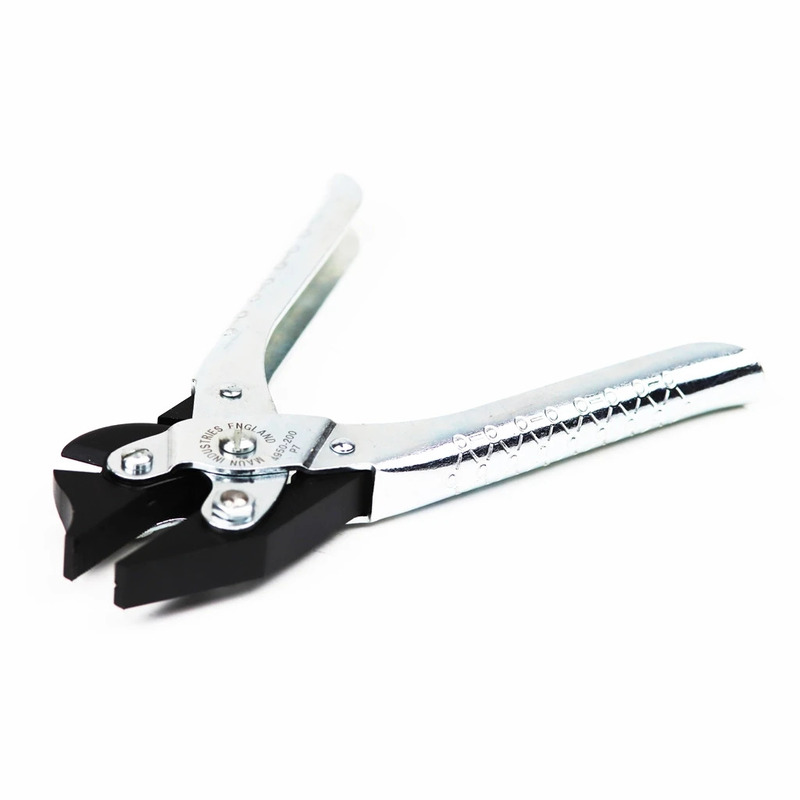
- Fencing pliers: when you want one pocket tool for a few cuts and for gripping wire during a repair. Most high-tensile fence wire is 12.5 gauge, about 2.5 mm thick, and Maun’s 200 mm fencing pliers (model 4959-200) cut hard wire up to 3.0 mm, so that wire is well within their range. Maun fencing pliers are a solid pick for high-tensile wire. They cost more than a hardware-store pair, but they won’t blunt as easily.
- Multi-function fence tool: when the repair also means pulling and driving staples on wooden posts, though US stores often sell it as “fencing pliers” and many aren’t made for hard wire.
Keeping fences in good condition is just one part of maintaining your outdoor space. Check out these DIY back yard projects for more ideas to keep your property looking its best.
Why household cutters bounce off high-tensile wire
Household and electrical cutters have edges made for soft wire, and high-tensile wire is too hard for those edges. Close household cutters on a fence wire and the jaws pinch the wire, slip off or stop partway through. Squeeze harder and you chip or dent the cutting edge and crush the wire end instead of cutting it clean.
High-tensile fence wire is galvanized steel wire, harder and springier than ordinary farm or garden wire. It’s usually around 12.5 gauge, about 2.5 mm thick, and whoever built your fence stretched it tight between braced posts. So look for a cutter rated to cut hard wire at least that thick, because a hard-wire rating always comes with a size limit.
What you need for the repair
Along with a cutter made for hard wire, gather:
- Leather work gloves: for handling cut wire ends.
- Safety glasses: stamped Z87+, the high-impact mark in the ANSI Z87.1 standard.
- A fence tester: for an electric fence.
- A strainer handle: the handle that turns an in-line strainer, a small ratchet fitted into the wire to wind it tight.
- A fence stretcher: a hand tool that grips the wire and pulls it tight, for a wire with no in-line strainer.
- A wire tension gauge: to check the wire against the manufacturer’s tension, unless your fence has tension indicator springs.
- Crimp sleeves and a crimping tool, or in-line wire joiners: to join the wire ends.
- A length of matching wire: the same gauge and type, to bridge any gap.
Safety before you cut
High-tensile wire is pulled very tight, and that tension stays stored in the wire like a stretched spring. If a tight wire snaps, is cut, or slips out of a tool or off a post, it can whip back or recoil along the fence line hard enough to cause a serious injury, such as a deep cut or an eye injury. The risk is there every time the tension changes: when you cut the wire, when you let the tension off, and when you tighten it again.
Only let the tension off and put it back on if you have the right tool for your fence (a strainer handle for an in-line strainer, or a fence stretcher) and you have used it before. If you haven’t, don’t try it with pliers or by hand: call a fencing contractor for the repair. Otherwise, do these first:
- If the fence is electric, switch it off and isolate it: turn the energizer (the fence charger) off and disconnect it or open the cut-off switch, so nobody can switch it back on while you work. Check the wire with the fence tester before you touch it.
- Put on your gloves and safety glasses, and keep children and pets well back from the fence line.
- Let the tension off slowly. Use the strainer handle to let the wire out a little at a time at its in-line strainer, following the manufacturer’s instructions, until the wire hangs slack. Keep a firm grip on the handle until the wire is slack, because a handle that slips while the ratchet is released can spin back hard. If the wire has no in-line strainer, hook the fence stretcher between the wire and the end post (the braced post where the wire is tied off, which some suppliers call a strainer post) and tighten it to hold the wire before you free the wire from the post, then let the stretcher out slowly. Never free a tight wire from a post without a stretcher holding it.
- Hold the wire on both sides of the cut and stand to one side, never in line with the wire, even once it hangs slack.

How to repair a broken or sagging high-tensile wire
If the wire is only sagging, with no kinks, nicks or rust, switch off an electric fence as above, then skip to step 5.
- Support the wire on both sides of the break or kink, tying it up to the nearest posts with scraps of soft wire so neither end drops into the grass.
- Cut out the damaged wire. Cut through straight, clean wire just past the kink, nick or rusty patch on each side.
- If the two ends no longer meet, cut a length of matching wire long enough to bridge the gap and overlap both ends.
- Join the ends. Feed the two ends through crimp sleeves from opposite sides so they overlap, and squeeze each sleeve shut with the crimping tool, or push the ends into an in-line wire joiner following the manufacturer’s instructions. Try twisting high-tensile wire together by hand and it springs apart, so save a hand-twisted splice for softer, lower-tension wire. An extension guide to splicing fence wire shows each join in detail.
- Re-tension the wire to the tension the fence or wire manufacturer specifies for your fence, not by eye. Wind the in-line strainer back up, or crank the fence stretcher, a little at a time, and check the wire with a tension gauge, or with the fence’s tension indicator spring if it has one. Stand to one side while you tighten, watch the end post, and stop if it moves. Too much tension strains the end post and the join, and too little leaves the wire sagging.
- Tie off neatly at the end post. If you used the fence stretcher, wrap the wire around the post and finish it like the other wires there, then let the stretcher off. Take off any temporary ties and snip every wire tail short so no sharp ends stick out.
- If the fence is electric, reconnect the power and check the repaired wire with the fence tester.
Patching a hole in woven wire
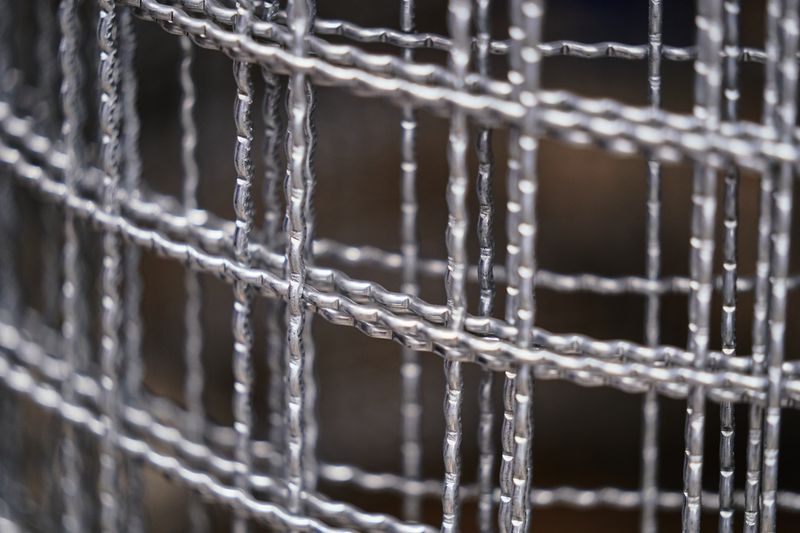
Patch a hole in woven wire (also called field fence) with a piece of the same netting. If the woven wire is high-tensile, cut it with a tool made for hard wire.
- Cut a patch of matching netting big enough to overlap sound netting on every side of the hole.
- Hold the patch over the hole, horizontal wires over horizontal wires and vertical over vertical.
- With fencing pliers, twist every cut wire end tightly around the nearest wire on the other piece of netting, then snip off any sharp wire tails.
When to switch tools or call a fencing contractor
Fencing pliers made for hard wire are the one pocket tool you need for a few cuts and for gripping and twisting wire during a repair. For a long run of fence or a lot of cuts, compact bolt cutters or long-handled high-tensile wire cutters are quicker. Don’t use fencing pliers like these as a hammer. For staples, the hammer head and staple puller on a multi-function fence tool are handy.
If the end post or a corner post leans, rocks or has rotted at the base, tightening the wire pulls it further over. A failed end post or corner post is a job for a fencing contractor, who can reset the post and rebuild its brace.
Call a qualified fencing contractor, too, if you haven’t used high-tensile fencing tools before, or if you can’t safely let the tension off a wire and put it back on. Cutting the wire is the easy part. Letting the tension off and tightening it again is where the risk is, and a contractor has the stretchers, gauges and experience to do it safely.
FAQ
What is the best tool for cutting fencing wire?
It depends on the wire. For stiff, springy wire pulled tight between braced posts, which is usually high-tensile, use fencing pliers made for hard wire for a few cuts, and compact bolt cutters or long-handled high-tensile wire cutters when you have a lot of cuts. For soft wire that bends easily in your hands, household cutters are fine.
Can you cut high-tensile wire with bolt cutters?
Yes. Compact bolt cutters give you lots of cutting force and a quick cut through high-tensile wire, though they’re bigger than pliers to carry along the fence. Let the tension off first so the cut ends don’t whip back at you.
How do you join high-tensile fence wire?
Overlap the two ends inside crimp sleeves and close each sleeve with a crimping tool, or use an in-line wire joiner. Hand-twisted high-tensile wire springs apart, so keep twisted splices for softer, lower-tension wire.

Ellen is a busy mom of a 29-year-old son and 33-year-old daughter. She owns nine blogs and is addicted to social media. She believes that it doesn’t have to be difficult to lead a healthy life. She shares simple healthy living tips to show busy women how to lead fulfilling lives. If you’d like to work together, email info@confessionsofanover-workedmom.com to chat.
