
Last Updated on October 14, 2026 by Ellen Christian
Keeping your home in good condition doesn’t have to mean constantly tackling expensive repairs. Modern building materials, improved installation methods, and better planning can help homeowners create spaces that are more comfortable, durable, and easier to maintain.
Posts may be sponsored. This post contains affiliate links, which means I will make a commission at no extra cost to you should you click through and make a purchase. As an Amazon Associate I earn from qualifying purchases.
Whether you’re planning a major renovation or making smaller improvements around the house, choosing the right materials and techniques can make a difference in how well your home holds up over time.
Here are some practical ways modern home improvement methods can help protect your investment and make everyday maintenance easier.
Start With Better Planning Before Making Improvements
One of the most important steps in any home improvement project happens before the work begins.
Taking time to evaluate your home’s condition can help you avoid unexpected problems. For example, replacing a damaged walkway without addressing the drainage problem underneath it may lead to more repairs later.
Before beginning a project, consider the condition of existing materials, how water moves around your property, and whether previous repairs have addressed the underlying problem.
Create a realistic budget that includes materials, labor, and some extra money for unexpected expenses. For larger projects, getting several written estimates can help you compare your options.
Good planning also means choosing improvements that solve actual problems rather than simply changing how your home looks.
Choose Durable Materials for Outdoor Improvements
Outdoor surfaces deal with changing temperatures, rain, snow, and everyday wear. Selecting materials suited to your climate and intended use can help reduce maintenance over time.
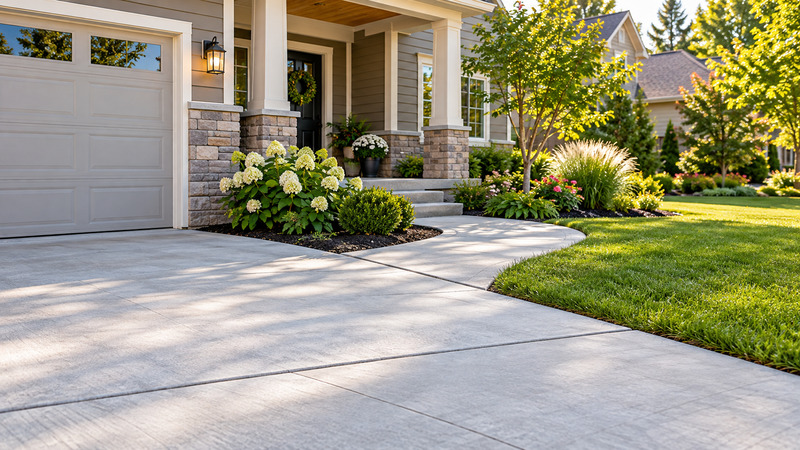
Concrete is commonly used for driveways, patios, walkways, and steps because it provides a sturdy surface when properly designed and installed.
However, even durable materials can develop problems when the ground underneath them isn’t prepared correctly.
Poor drainage, inadequate base preparation, and seasonal ground movement can contribute to cracks and uneven surfaces.
When planning outdoor improvements, consider how much traffic the area receives, whether water collects nearby, and how freezing temperatures may affect the surface.
For larger concrete projects, a qualified residential contractor can evaluate the site and recommend appropriate preparation, drainage, and installation methods.
Pay Attention to Drainage Around Your Home
Water can cause significant damage when it collects near your foundation or repeatedly flows across walkways and patios.
Modern home improvement projects increasingly consider drainage as part of the overall design rather than treating it as a separate problem.
Walk around your property after a heavy rain and look for standing water, overflowing gutters, or soil washing away from the foundation.
Check whether downspouts direct water away from your home and whether outdoor surfaces encourage water to drain in the right direction.
Simple maintenance, such as cleaning gutters and removing debris from drainage areas, can help prevent problems.
More serious issues, including persistent water near the foundation or a sinking concrete walkway, may require professional evaluation.
Improve Insulation and Reduce Air Leaks
A comfortable home depends on more than the heating and cooling system.
Insulation and air sealing help reduce unwanted heat transfer and drafts, making it easier to maintain comfortable indoor temperatures.
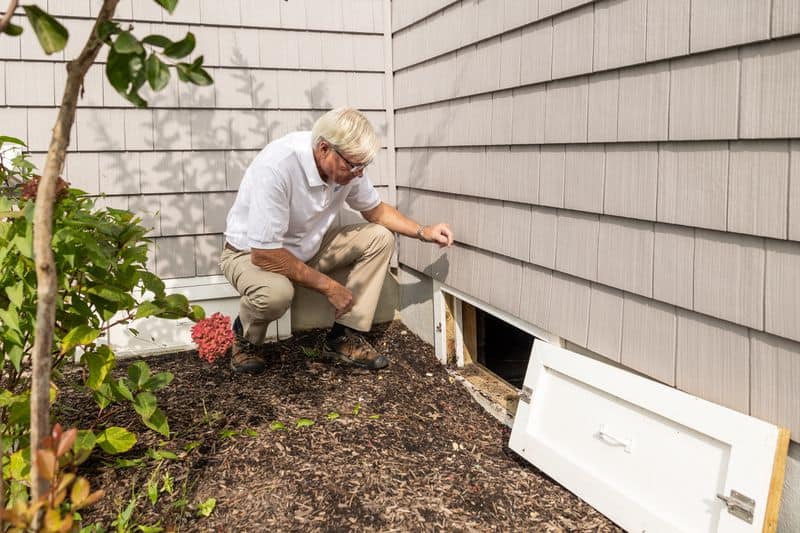
Common areas to investigate include attic insulation, exterior doors, windows, and accessible openings around plumbing or utility lines.
You may notice that one room feels colder than the others or that drafts develop around windows during windy weather.
Weatherstripping and appropriate caulking can address some accessible gaps. Larger insulation problems may require a professional home energy assessment.
Before adding insulation, it’s important to identify moisture problems, electrical hazards, and other conditions that could affect the work.
Making these improvements can help reduce unnecessary energy use while improving comfort throughout the year.
Choose Home Improvements That Require Less Maintenance
Some materials look attractive when first installed but require frequent cleaning, painting, or repairs.
Before choosing new siding, flooring, decking, or outdoor surfaces, think about how much maintenance you’re willing to do.
Consider how the material responds to moisture, sunlight, temperature changes, and ordinary wear.
For example, a surface exposed to harsh winter weather may need different protection than one installed in a covered area.
Ask about recommended cleaning methods, maintenance schedules, and repair options before making a purchase.
For larger concrete projects, a qualified residential contractor can evaluate the site and recommend appropriate preparation, drainage, and installation methods. While commercial concrete solutions are typically designed for heavier traffic and demanding conditions, some of the same principles, including proper site preparation, durable materials, and effective drainage, can also help residential driveways, patios, and walkways last longer.
Make Walkways and Outdoor Areas Safer
Outdoor improvements should make your property easier and safer to use, not just more attractive.
Uneven walkways, damaged steps, and poor lighting can create hazards around your home.
When evaluating outdoor spaces, look for cracked or raised pavement, slippery surfaces, and areas where water or ice regularly collects.
Think about how people move between the driveway, front door, garden, and backyard.
A well-planned walkway should provide stable footing and direct water away from the walking surface where practical.
Adding appropriate lighting near entrances and steps can also improve visibility during darker mornings and evenings.
For major changes to steps, grading, or concrete surfaces, a qualified contractor can help determine what repairs or replacement work may be needed.
If you’re planning more improvements to your home’s outdoor spaces, these easy ways to refresh your home’s exterior can help you improve curb appeal while keeping maintenance costs manageable.
Use Energy-Efficient Improvements Where They Matter Most
Not every energy-saving improvement requires a major renovation.
Replacing worn weatherstripping, maintaining heating equipment, and using efficient lighting are relatively straightforward ways to improve your home’s performance.
Larger projects, such as upgrading insulation or replacing aging windows, deserve careful consideration.
A home energy assessment can help identify which improvements are most likely to address your home’s specific problems.
This approach can prevent you from spending money on upgrades that provide little benefit compared with more urgent repairs.

Create a Home Maintenance Schedule
Even the best building materials need occasional attention.
A simple maintenance schedule can help you identify problems while they’re still manageable.
In the spring, inspect outdoor surfaces for winter damage, check gutters, and look for drainage problems.
During summer, examine exterior paint, siding, and accessible areas around windows and doors.
Fall is a good time to check weatherstripping, prepare outdoor spaces for freezing temperatures, and make sure your heating system is ready for winter.
Keep photographs and notes about repairs so you can track changes over time.
If a crack grows larger, a damp spot returns, or a walkway continues to settle, those records can help a professional evaluate the problem.
Make Improvements That Protect Your Home for Years
Modern home improvement techniques aren’t just about using the newest products. They’re about choosing appropriate materials, planning carefully, and addressing problems before they become more expensive.
Durable outdoor surfaces, proper drainage, effective insulation, and regular maintenance all contribute to a home that is more comfortable and easier to care for.
Start by identifying the areas of your property that need the most attention. Then choose improvements that offer practical, lasting benefits rather than focusing only on appearance.
A little planning today can help your home stay in better condition for years to come.

Ellen is a busy mom of a 29-year-old son and 33-year-old daughter. She owns nine blogs and is addicted to social media. She believes that it doesn’t have to be difficult to lead a healthy life. She shares simple healthy living tips to show busy women how to lead fulfilling lives. If you’d like to work together, email info@confessionsofanover-workedmom.com to chat.
