Last Updated on August 23, 2026 by Ellen Christian
Personal care rarely stays in one lane. Someone booking a routine wax might also be quietly researching how to deal with acne scarring, or wondering whether a real, personalized approach to weight loss actually exists versus another generic plan. None of these are small decisions, even when they feel routine on the surface. Here’s a straightforward look at all three — what to expect, what to watch for, and what actually matters before booking anything.
Posts may be sponsored. This post contains affiliate links, which means I will make a commission at no extra cost to you should you click through and make a purchase. As an Amazon Associate I earn from qualifying purchases.

What to Expect at a Waxing Appointment
First-timers and regulars tend to land on the same handful of questions before an appointment. Anyone booking waxing in Waterloo usually wants to know how much hair growth is actually needed beforehand — generally around a quarter-inch, enough for the wax to grip properly — along with which areas are commonly treated and how much discomfort is realistic to expect going in. Most estheticians walk through this before starting, plus basic prep like skipping lotion or sunscreen right before you come in.
What happens afterward matters just as much as the appointment itself. Skin stays more sensitive for a bit post-wax, so steering clear of hot showers, direct sun, and tight clothing for the first day helps keep irritation and ingrown hairs from showing up. Exfoliating gently a few days later — not right away — tends to keep skin smoother between visits and cuts down on ingrown hairs as new growth comes back in.
A few things worth knowing before that first appointment:
- Let hair grow to roughly a quarter-inch so the wax actually works
- Skip sun exposure and hot showers for about 24 hours afterward
- Loose clothing cuts down on friction and irritation right after treatment
Choosing the Right Provider for Body Care
Not every waxing provider runs their appointments the same way, and that difference shows up fast in both comfort and safety. A properly licensed esthetician follows hygiene standards that matter more than people tend to assume — single-use applicators, clean wax pots, sanitized surfaces between every client. These aren’t nice-to-haves. They’re the baseline.
A few things are worth paying attention to if something feels off mid-appointment. Wax sticks getting redipped into a shared pot, no offer of a patch test for first-timers or sensitive skin, an appointment that feels rushed with zero explanation of what’s happening — all of these are reasons to look elsewhere next time. A good esthetician actually asks about your skin sensitivity and anything recent, like retinol use, that might affect how your skin reacts to treatment.
Worth asking before you book anywhere:
- Are single-use applicators the standard here, every time?
- Can you get a patch test if it’s your first visit or you have sensitive skin?
- Do they actually ask about recent skincare products before starting?
Understanding Your Skin Treatment Options
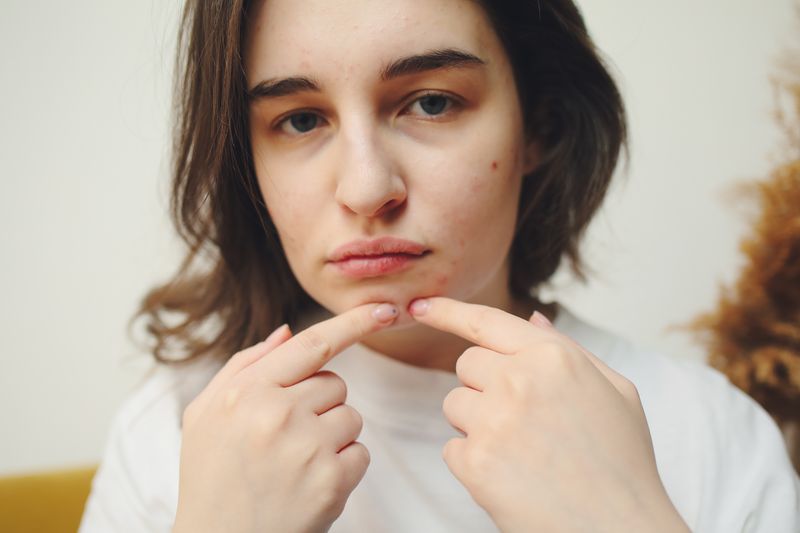
Acne scarring is frustrating specifically because there’s no universal fix — what clears up one person’s skin does almost nothing for someone else’s. Anyone looking into acne scar treatment Guelph will run into a handful of common categories: topical treatments for lighter scarring, microneedling to kickstart collagen production, and laser treatment for deeper textural scarring. Which one actually makes sense depends on scar depth, skin type, and how that particular skin has reacted to past treatments.
This is genuinely one of those “talk to someone qualified” situations, not a pick-your-own-adventure. What works beautifully for shallow, widespread scarring can do next to nothing for deep, pitted scars — and using the wrong approach sometimes makes texture or pigmentation worse instead of better. A dermatologist or licensed skin professional can actually assess scar type and match it to an approach, instead of handing out the same generic recommendation to everyone who walks in.
RELATED: 5 Minute Face and Hair Routine
What a Treatment Consultation Actually Involves
A real consultation starts with an actual look at your skin — scar type, depth, tone — since some treatments carry a higher risk of pigmentation changes depending on skin type. This is usually where patch testing comes in too, for treatments with a higher chance of reaction, giving both provider and patient a read on how skin responds before committing to anything bigger.
Setting expectations honestly is probably the most important part of this whole conversation. Scar treatment is rarely one-and-done — most approaches need several sessions spread over weeks or months, and results shift a lot depending on scar severity and how your skin heals individually. If a provider’s promising dramatic, guaranteed results after one session, that’s a reason for skepticism, not excitement. Skin just doesn’t work that predictably, and anyone legitimate will tell you that upfront.
Why “Personalized” Actually Matters in Wellness Planning
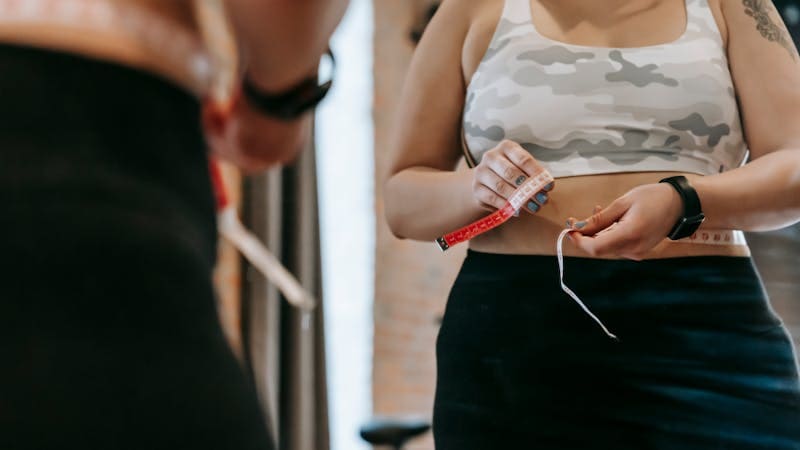
“Personalized” gets thrown around a lot in wellness marketing until it barely means anything. But with something like personalized weight loss Guelph, the word should carry real weight — a plan actually built around someone’s health history, lifestyle, and goals, not a generic template handed to whoever walks through the door next. Age, existing health conditions, activity level, even sleep patterns all shape what a sustainable approach genuinely looks like for one specific person.
There’s a distinction worth understanding here that gets glossed over a lot: medically supervised weight management versus general lifestyle coaching. A medically supervised program means a physician or qualified healthcare provider is actually assessing health history and potentially recommending clinical intervention where it’s needed. General coaching focuses on habits — nutrition, activity — without medical oversight involved. Neither is automatically the right call for everyone, but knowing which one you’re actually signing up for matters, especially if there’s an existing health condition in the picture. This is meant to inform, not steer anyone toward a specific choice — that conversation belongs with a qualified healthcare provider, not a general guide like this one.
Questions Worth Asking Before You Commit
Before starting any weight management program, it’s worth knowing exactly who’s actually designing the plan and what they’re qualified to do. A physician, a registered dietitian, and a general wellness coach bring genuinely different levels of clinical training, and that gap matters more here than with almost any other personal care service — given what’s actually at stake health-wise.
It’s just as worth asking how progress actually gets tracked over time. A responsible provider looks past just the number on a scale — energy levels, broader health markers, and habits that are actually sustainable tend to matter more for long-term success than short-term weight swings alone.
A few questions worth bringing to any consultation:
- What are your actual credentials — physician, dietitian, or coach?
- How is progress measured beyond just the scale?
- Is there ongoing monitoring, or is this a one-time handoff?
- How does this plan account for my specific health history?
Final Thoughts
Whether it’s a routine waxing appointment, dealing with acne scarring, or working toward a weight management goal, the same basic approach applies across all three: understand what you’re actually getting, check the qualifications of whoever’s providing it, and keep expectations grounded in reality instead of marketing promises. None of this has to be complicated. It just deserves a little healthy skepticism before you commit time and money to anyone.
Note: This article is for general informational purposes only. The sections on acne scar treatment and weight management are not a substitute for professional medical advice — please consult a licensed dermatologist or physician for guidance specific to your situation.
Ellen is a busy mom of a 29-year-old son and 33-year-old daughter. She owns nine blogs and is addicted to social media. She believes that it doesn’t have to be difficult to lead a healthy life. She shares simple healthy living tips to show busy women how to lead fulfilling lives. If you’d like to work together, email info@confessionsofanover-workedmom.com to chat.
